

Economical Feature Access
How to Design Parts for 3-Axis CNC Machining
Design for 3-axis machining by keeping critical features accessible from a small number of standard orientations, using practical radii and avoiding hidden geometry. When 3-axis can meet function, it often reduces programming and machine cost compared with multi-axis machining.
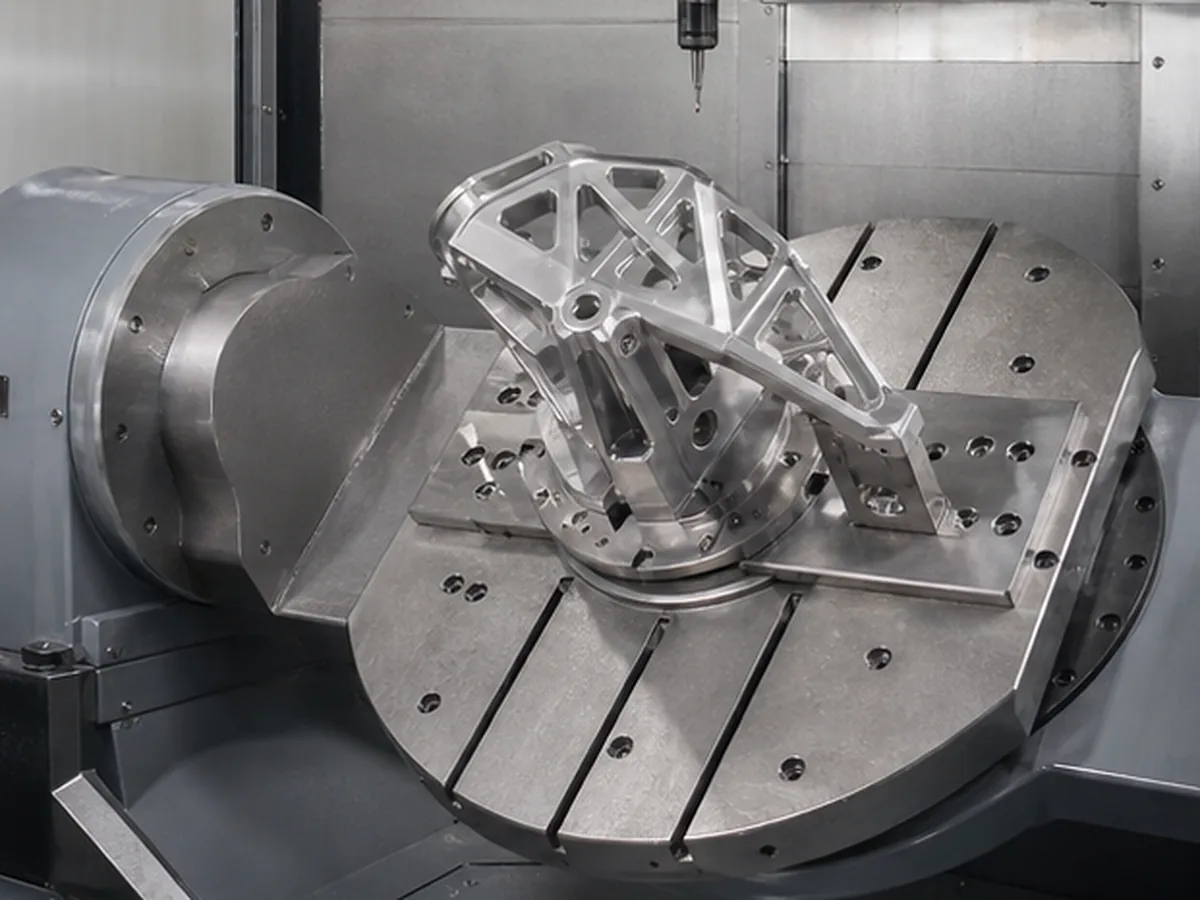
Features That Fit 3-Axis Well
- Plates, brackets, blocks and housings
- Planar features, pockets, slots and accessible holes
- 2.5D profiles and accessible 3D surfaces
- Parts that can be reoriented against clear datums
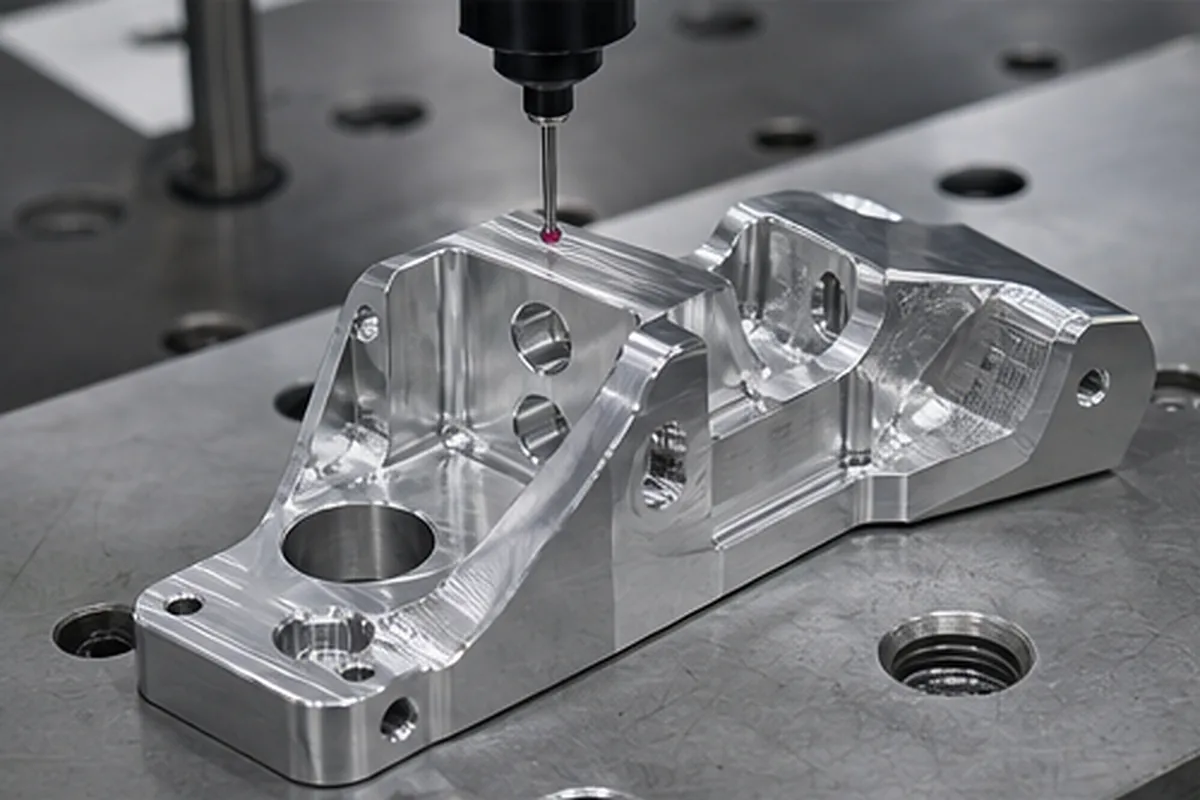
Design Principles
| Principle | Reason |
|---|---|
| Keep features normal to setup faces | Uses standard tooling and access. |
| Use large internal radii | Allows rigid cutters. |
| Limit pocket depth | Reduces long-tool deflection. |
| Provide clamping stock/access | Supports stable workholding. |
| Define cross-setup datums | Controls relationships after reorientation. |
Features That May Require Another Process
Undercuts, multiple angled holes, compound contours, inaccessible back features and tight relationships across many orientations may justify 4-axis, 3+2, five-axis, EDM or an assembly redesign.
More Setups Are Not Always Bad
Two simple 3-axis setups may cost less and be easier to inspect than one complex five-axis program. The decision depends on quantity, tolerance relationships, fixture repeatability and machine availability.
Drawing and Inspection
Select datums that can be established in each setup and measured afterward. Avoid dimension chains that require impossible reconstruction across hidden surfaces.
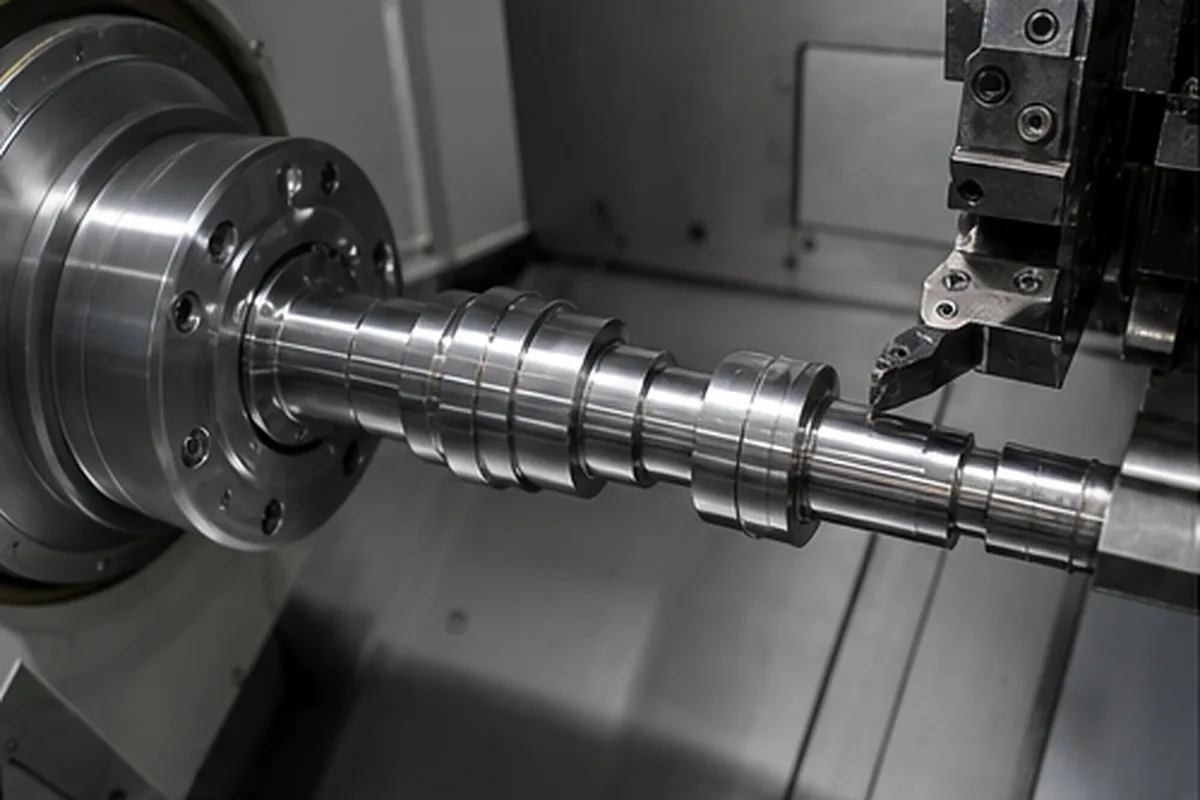
From How to Design Parts for 3-Axis CNC Machining Requirements to a Controlled Manufacturing Plan
When buyers can overpay or lose datum consistency when a process is chosen from a machine label instead of the part geometry, unnecessary setups or an unjustified high-end route can add cost without improving the functional result. For How to Design Parts for 3-Axis CNC Machining, our engineering and quotation review compares rotational versus prismatic geometry, feature access, datum relationships, workholding, batch size and measurement access before selecting milling, turning or a combined route. This helps reduce rework, approval delays and avoidable purchasing cost without turning a screening assumption into a capability guarantee.
For the How to Design Parts for 3-Axis CNC Machining buying decision, we confirm the route only after reviewing the 2D drawing and 3D model, overall size, material state, critical datums and tolerances, quantity, finish and inspection documents. Any unresolved item is listed as an RFQ clarification so the buyer can compare scope, evidence, price and lead time on the same basis.