

Tolerance Selection
How to Specify CNC Machining Tolerances Without Unnecessary Cost
Specify the tightest tolerance only on dimensions that control fit, sealing, motion, alignment or function. Leave noncritical dimensions under a general tolerance. Tighter tolerances increase setup, process control, inspection time and rejection risk, and they are credible only when a suitable datum and measurement method exist.
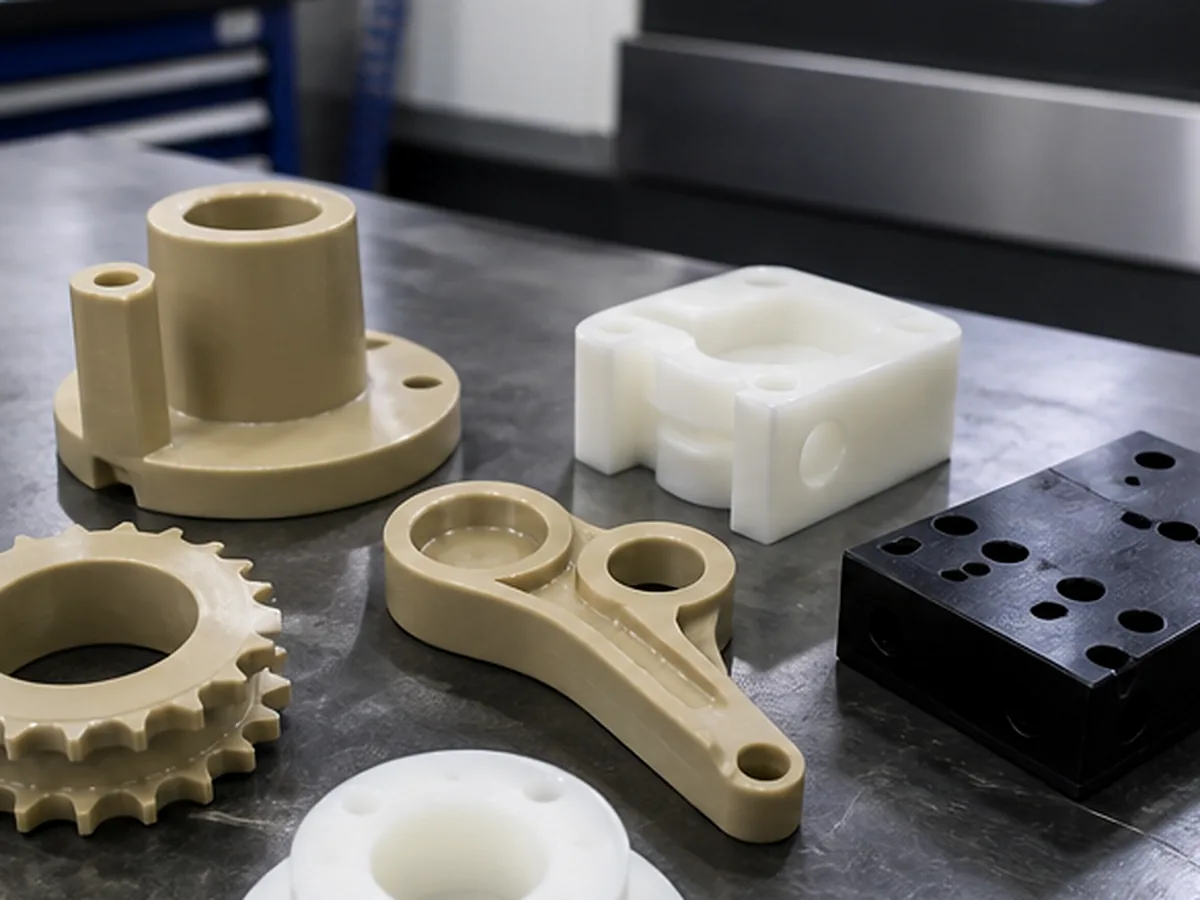
Provisional Formexi Screening Values
| Requirement | Initial screening value | Condition |
|---|---|---|
| Unspecified dimensions | ISO 2768-m | Pending final internal approval |
| General metal dimension | Approximately ±0.10 mm | Suitable size and geometry |
| General plastic dimension | Approximately ±0.10–0.20 mm | Material and conditioning dependent |
| Qualified precision feature | Approximately ±0.05 mm | Process and measurement review |
| Tight qualified feature | Down to approximately ±0.01 mm | Not a blanket capability |
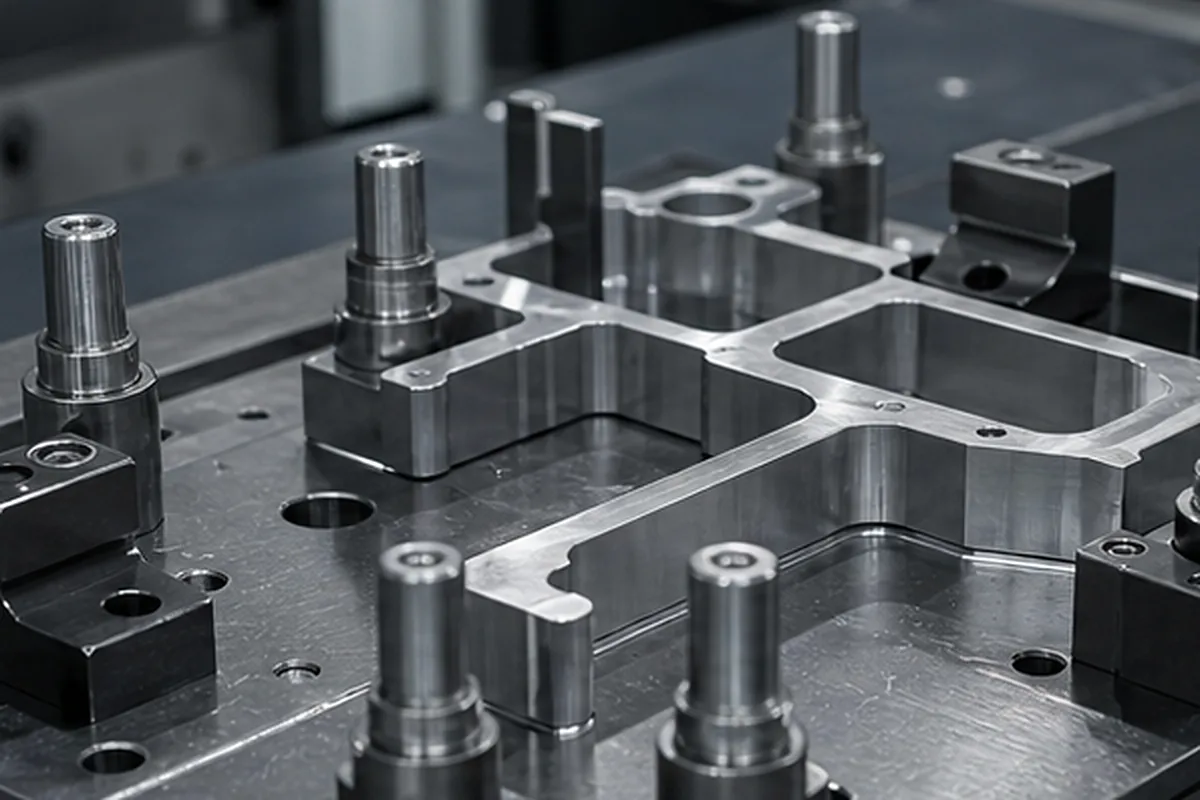
Use Function to Allocate Tolerance
- Identify the interface or performance being controlled.
- Select datums that represent assembly or use.
- Apply tolerance to the smallest set of controlling features.
- Check tolerance stack across mating components.
- Choose a measurement method before finalizing the value.
Why Tight Tolerances Increase Cost
- More stable machines, fixtures and process stages may be required.
- Thermal and material movement become significant.
- Finishing or heat treatment may require compensation.
- Inspection equipment, programming and reports add time.
- Yield falls when natural process variation approaches the limits.
Common Drawing Errors
Applying ±0.01 mm to every dimension, omitting datums, mixing unilateral and general tolerances, dimensioning the same feature twice, ignoring coating buildup, and specifying a tolerance that cannot be measured on the actual feature.
Plastic and Thin-Part Warning
Flexible or moisture-sensitive parts may change with temperature, time and restraint. Define whether measurement is free-state, restrained or assembled and specify conditioning when necessary.
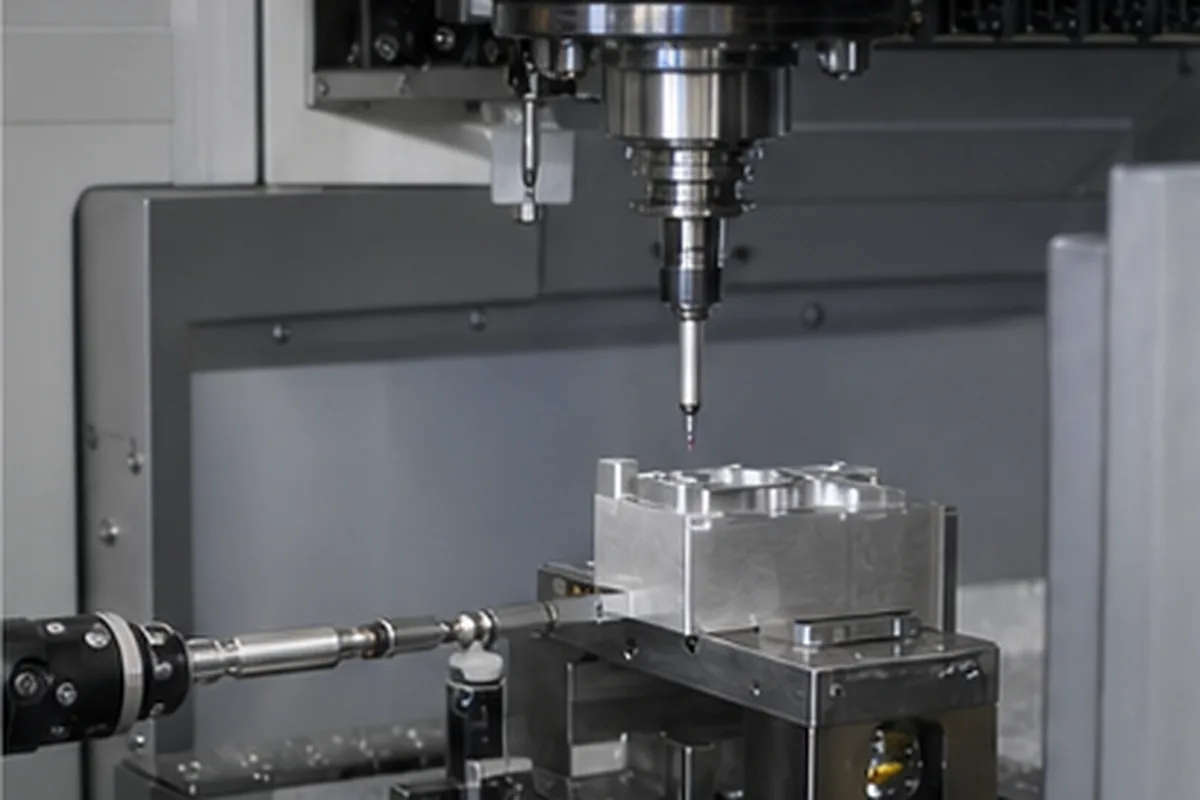
Standards and Regulatory Sources Used on This Page
For How to Specify CNC Machining Tolerances Without Unnecessary Cost, these primary sources define the scope of cited standards or regulations. They do not prove Formexi certification, a customer approval or project compliance; those require current, scope-matched records.
How We Control the Buyer Risk in How to Specify CNC Machining Tolerances Without Unnecessary Cost
When ambiguous datums or blanket tight tolerances make machining and inspection plans disagree, the buyer can pay for unnecessary precision yet still receive results that do not predict fit, seal or motion. For How to Specify CNC Machining Tolerances Without Unnecessary Cost, our engineering and quotation review maps each critical characteristic to a manufacturable datum scheme, process stage and accessible measurement method with suitable uncertainty. This helps reduce rework, approval delays and avoidable purchasing cost without turning a screening assumption into a capability guarantee.
For the How to Specify CNC Machining Tolerances Without Unnecessary Cost buying decision, we confirm the route only after reviewing the controlled 2D drawing, datum sequence, functional interfaces, tolerance standard, measurement condition and required report. Any unresolved item is listed as an RFQ clarification so the buyer can compare scope, evidence, price and lead time on the same basis.
Confirm the Process for Specify CNC Machining Tolerances Without Unnecessary Cost
For Specify CNC Machining Tolerances Without Unnecessary Cost, submit the 2D drawing and 3D model with matching revision, exact material and condition, quantity and repeat demand. Identify relevant datums, critical tolerances, GD&T, threads, difficult-access geometry, thin walls, roughness, heat treatment and finish requirements.
The route for Specify CNC Machining Tolerances Without Unnecessary Cost may require multiple setups, dedicated workholding, intermediate inspection or a justified secondary process. Select grinding, EDM, stress relief or post-finish verification only when the geometry and function require it; machine axis count alone does not establish final capability.