

Shipment Protection
Packaging and Export Protection for CNC Machined Parts
Packaging should protect the specific part against scratches, corrosion, impact, contamination, mixing and loss during the selected transport route. Formexi plans packaging from material, finish, geometry, weight, destination and customer labeling requirements rather than using one box style for every order.
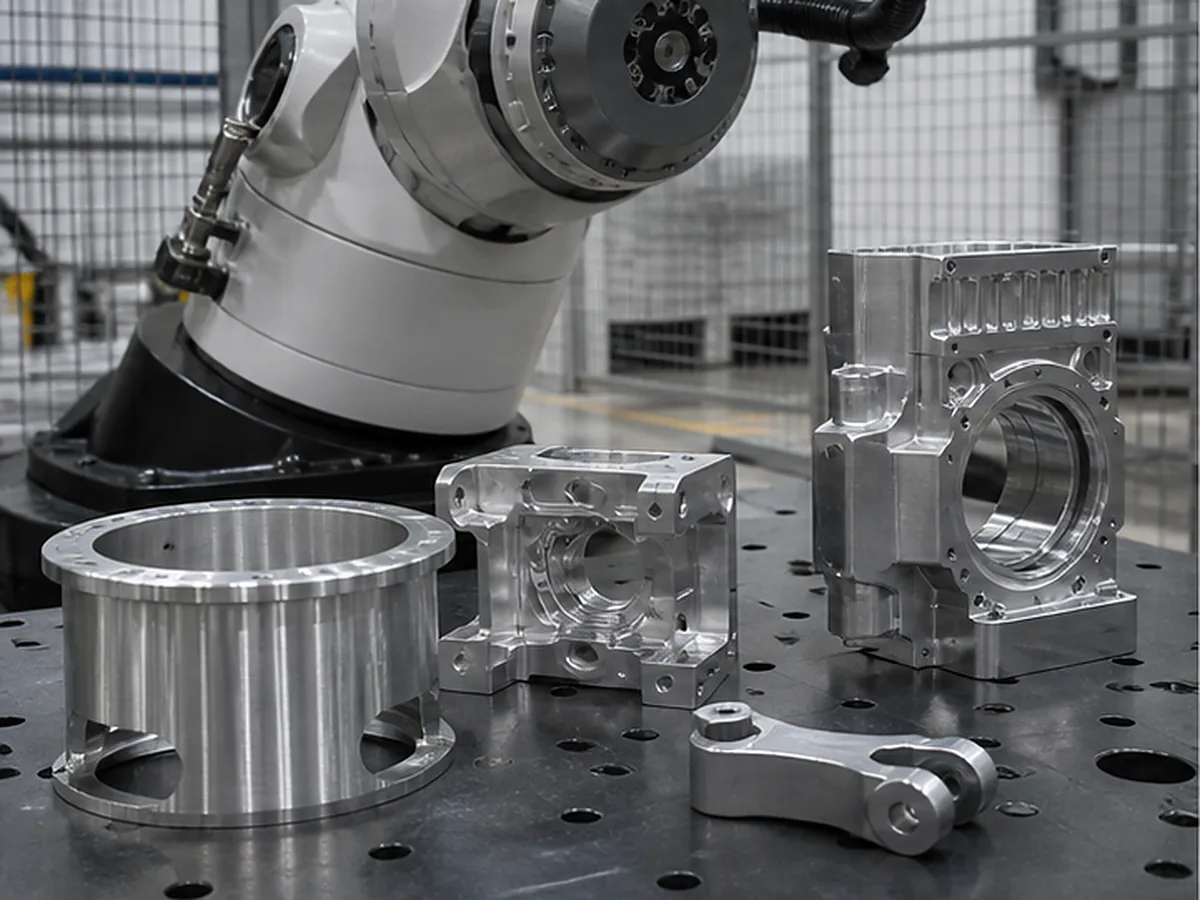
Packaging Risks by Part Type
| Part condition | Protection required |
|---|---|
| Anodized/painted cosmetic part Specify the governing process type or class, thickness or dimensional effect, masking and acceptance criteria for the actual project. | Individual separation, soft contact and rub prevention |
| Bare steel | Dryness, corrosion inhibitor and sealed protection |
| Sharp/heavy part | Edge protection, strong container and movement restraint |
| Small mixed parts | Count control, labeled bags/trays and part separation |
| Clean/optical-related part | Specified cleaning, gloves, bag material and environment |
| Long shaft | Bend support, end protection and rigid packaging |
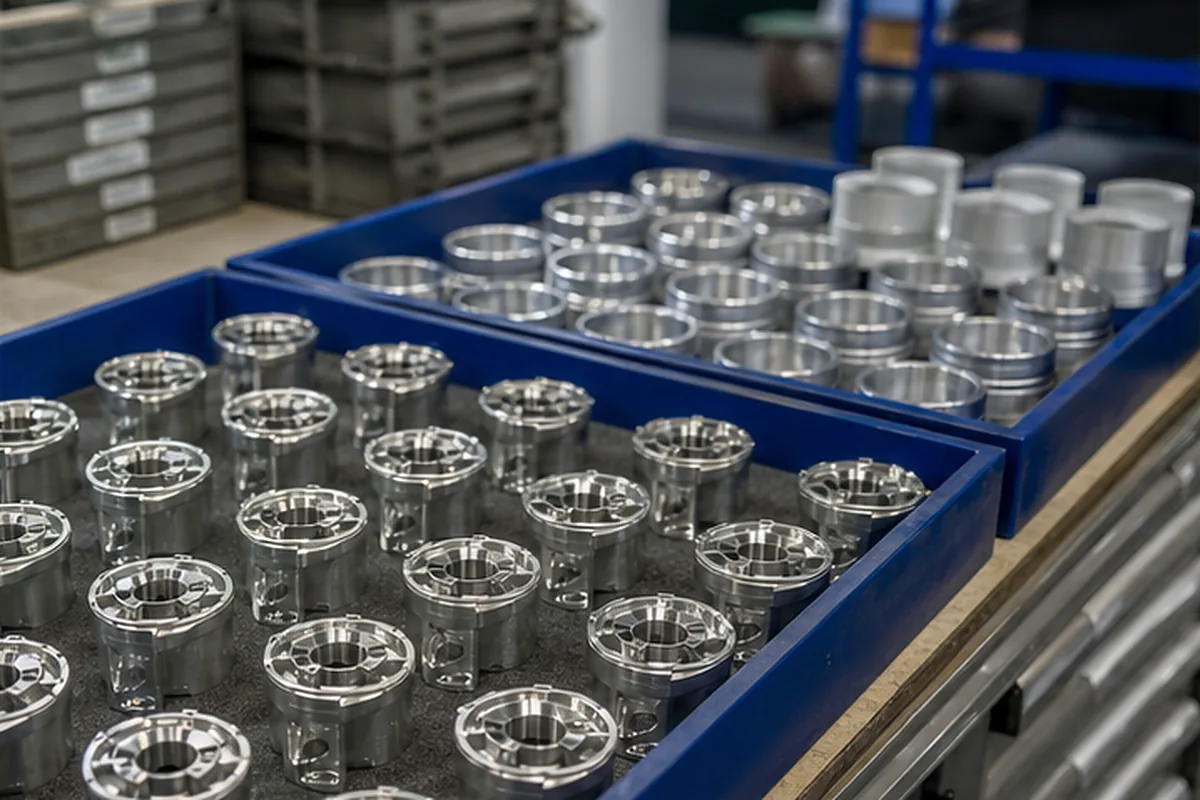
Standard Packaging Flow
- Final inspection and quantity verification.
- Cleaning and drying to agreed level.
- Corrosion or cosmetic protection.
- Individual/batch separation and identification.
- Internal cushioning and movement restraint.
- Outer carton or crate matched to weight and route.
- Packing list, labels and shipping documents.
Export and Wood Packaging
Wood crates, pallets and fumigation/ISPM 15 requirements depend on destination and packaging material. Incoterm, carrier, customs documents and responsibility should be confirmed in the quotation.
Customer-Specific Packaging
Returnable trays, barcode labels, part orientation, maximum pack quantity, desiccant, VCI, vacuum bag, clean bag or shock indicators must be specified before production. Packaging validation may require a sample shipment.
Packaging Is Part of Quality
A conforming part damaged or mixed in transit is not a successful delivery. Photographing packed condition and retaining packing records can support issue investigation when agreed.
Standards and Regulatory Sources Used on This Page
For Packaging and Export Protection for CNC Machined Parts, these primary sources define the scope of cited standards or regulations. They do not prove Formexi certification, a customer approval or project compliance; those require current, scope-matched records.
How We Control the Buyer Risk in Packaging and Export Protection for CNC Machined Parts
A useful supplier solution for Packaging and Export Protection for CNC Machined Parts starts when the buyer needs a supplier response tied to the actual part rather than a generic capability statement. Because a broad promise can leave geometry, material, quality, cost and delivery assumptions unresolved, our project review turns the drawing and purchase requirement into documented process, inspection and approval questions before price or production is confirmed. That approach helps the buyer avoid paying for the wrong process and lowers the chance of discovering a critical issue after machining or finishing.
For the Packaging and Export Protection for CNC Machined Parts buying decision, our review needs the controlled drawing and model, material, quantities, critical requirements, finish, quality documents, target date, destination and confidentiality needs. We record assumptions, approval points and evidence requirements before the quotation becomes the production baseline.
Define Acceptance for Packaging and Export Protection for CNC Machined Parts
For Packaging and Export Protection for CNC Machined Parts, provide the drawing revision, ballooned characteristic list, datum system, critical dimensions and applicable specifications. Agree whether acceptance uses a first article, in-process checks, final sampling or 100% inspection for named characteristics; do not assume one plan covers every dimension.
For Packaging and Export Protection for CNC Machined Parts, match each feature to an accessible measurement method with suitable range, resolution and uncertainty. Define temperature or stabilization needs, report format, record retention, certificates, nonconformance approval and any MSA, GR&R, capability, PPAP or AS9102 scope before quotation.
Share the Transport and Handling Risks
Provide destination, carrier, part sensitivity, labeling, pack quantity and special export requirements.