

316L Stainless Steel
316L Stainless Steel CNC Machining for Demanding Corrosive Environments
316L is often evaluated for components exposed to chlorides, chemicals or cleaning regimes where 304 may provide insufficient resistance. It still requires application-specific review: concentration, temperature, crevices, surface condition and design can cause corrosion even in 316L.
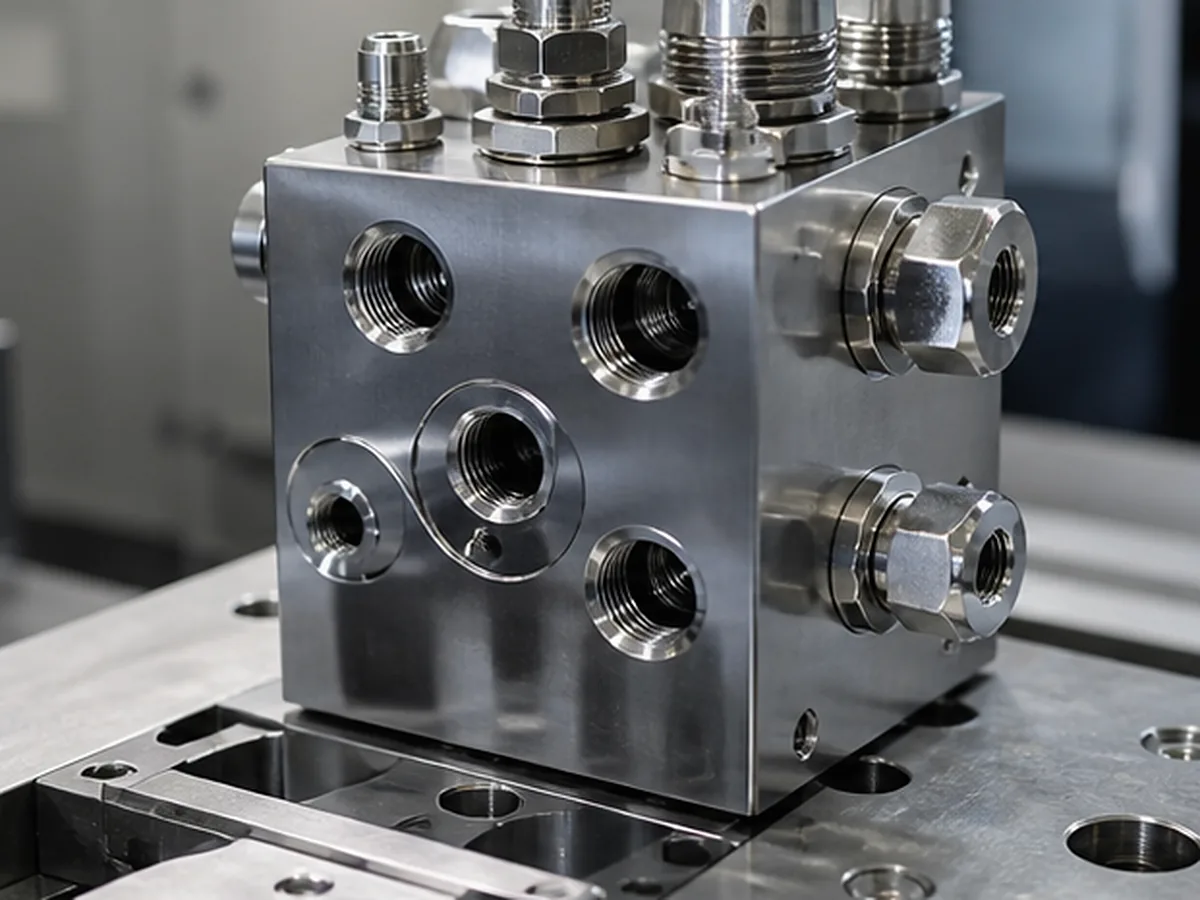
Typical Reasons to Consider 316L
- More demanding moisture or chloride exposure
- Fluid-handling, laboratory and process-equipment components
- Parts requiring passivation or electropolishing
- Welded assemblies where a low-carbon grade is specified
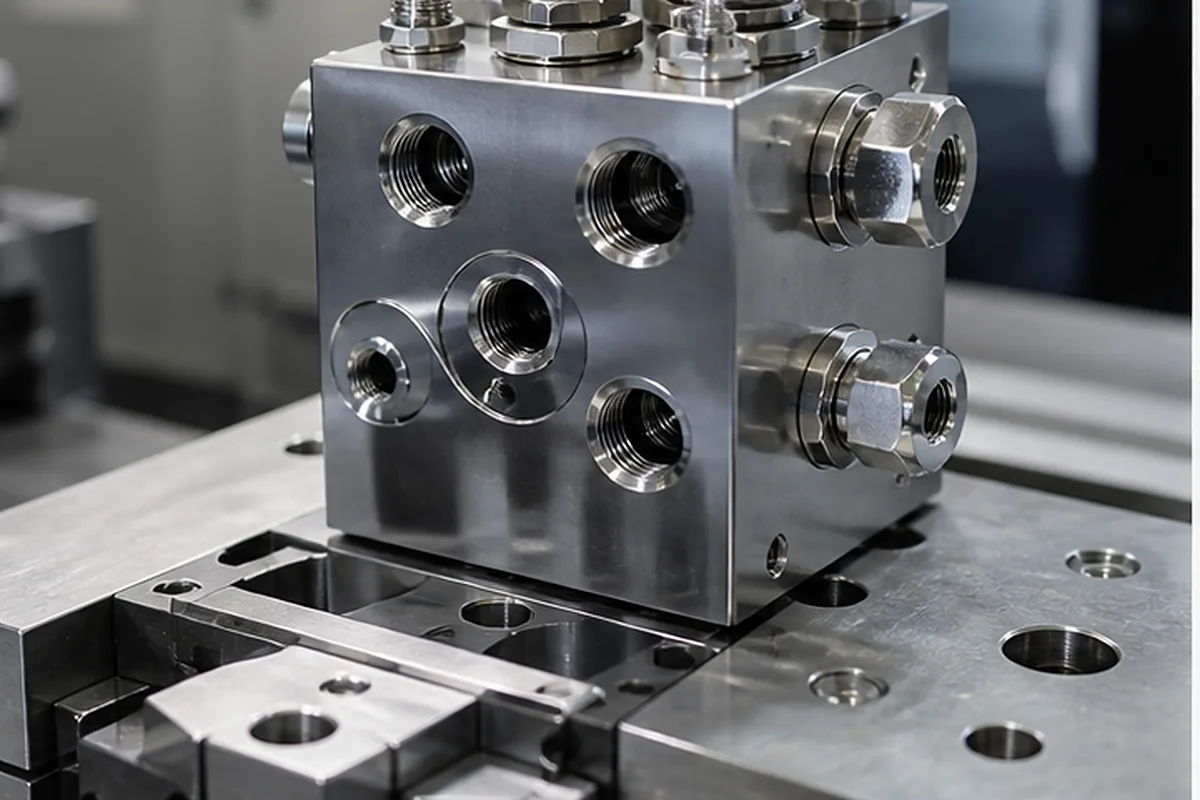
316L Versus 304
| Decision | 304 | 316L |
|---|---|---|
| General indoor/industrial corrosion | Often sufficient after review | May add unnecessary cost |
| Chloride exposure | Higher pitting concern | Often preferred, but not immune |
| Material cost | Generally lower | Generally higher |
| Machining | Work-hardening controls required | Similar controls with grade-specific tuning |
Machining and Distortion
316L can generate heat, work harden and produce persistent burrs. Deep holes, thin walls and tight sealing features require stable tooling, controlled clamping and appropriate inspection. Polishing or electropolishing may change edges and surface condition.
Medical and Food-Contact Boundaries
A 316L material callout alone does not make a part medical-grade, implantable, food-safe or compliant. Those claims require the applicable material standard, process controls, cleaning, traceability and certified quality system. Formexi does not claim ISO 13485 certification until verified.
Documentation
Specify material standard, product form, finish/passivation standard and MTC requirement. If chemical composition, heat number or full traceability is required, include it in the RFQ before stock is purchased.
Standards and Regulatory Sources Used on This Page
For 316L Stainless Steel CNC Machining for Demanding Corrosive Environments, these primary sources define the scope of cited standards or regulations. They do not prove Formexi certification, a customer approval or project compliance; those require current, scope-matched records.
How We Reduce Sourcing and Manufacturing Risk for 316L Stainless Steel CNC Machining for Demanding Corrosive Environments
A useful supplier solution for 316L Stainless Steel CNC Machining for Demanding Corrosive Environments starts when stainless parts can combine work hardening, tool wear, burrs, heat and surface-finish requirements. Because an unstable cutting or deburring route can move critical sizes and leave assembly or cleanliness problems, our project review reviews grade and condition, keeps tools engaged with a controlled sequence, plans burr access, and separates machining, specified heat treatment and passivation stages, including the governing standard, masking and final dimensional acceptance. That approach helps the buyer avoid paying for the wrong process and lowers the chance of discovering a critical issue after machining or finishing.
For the 316L Stainless Steel CNC Machining for Demanding Corrosive Environments buying decision, our review needs the stainless grade and condition, hardness, critical edges and threads, roughness, heat treatment, passivation specification and inspection scope. We record assumptions, approval points and evidence requirements before the quotation becomes the production baseline.
Review 316L Against the Real Exposure
Send environment, temperature, fluid, finish, cleaning and inspection requirements.