

Finishing Cost
How Surface Finish Affects CNC Machining Cost
Surface finish affects CNC part cost through extra machining, hand preparation, masking, outside processing, inspection, transport and rejection risk. The cheapest valid option is usually the finish that meets the actual wear, corrosion, electrical and cosmetic requirement with the fewest controlled steps. Specify process, standard, thickness, color, masked zones and acceptance criteria before quotation.
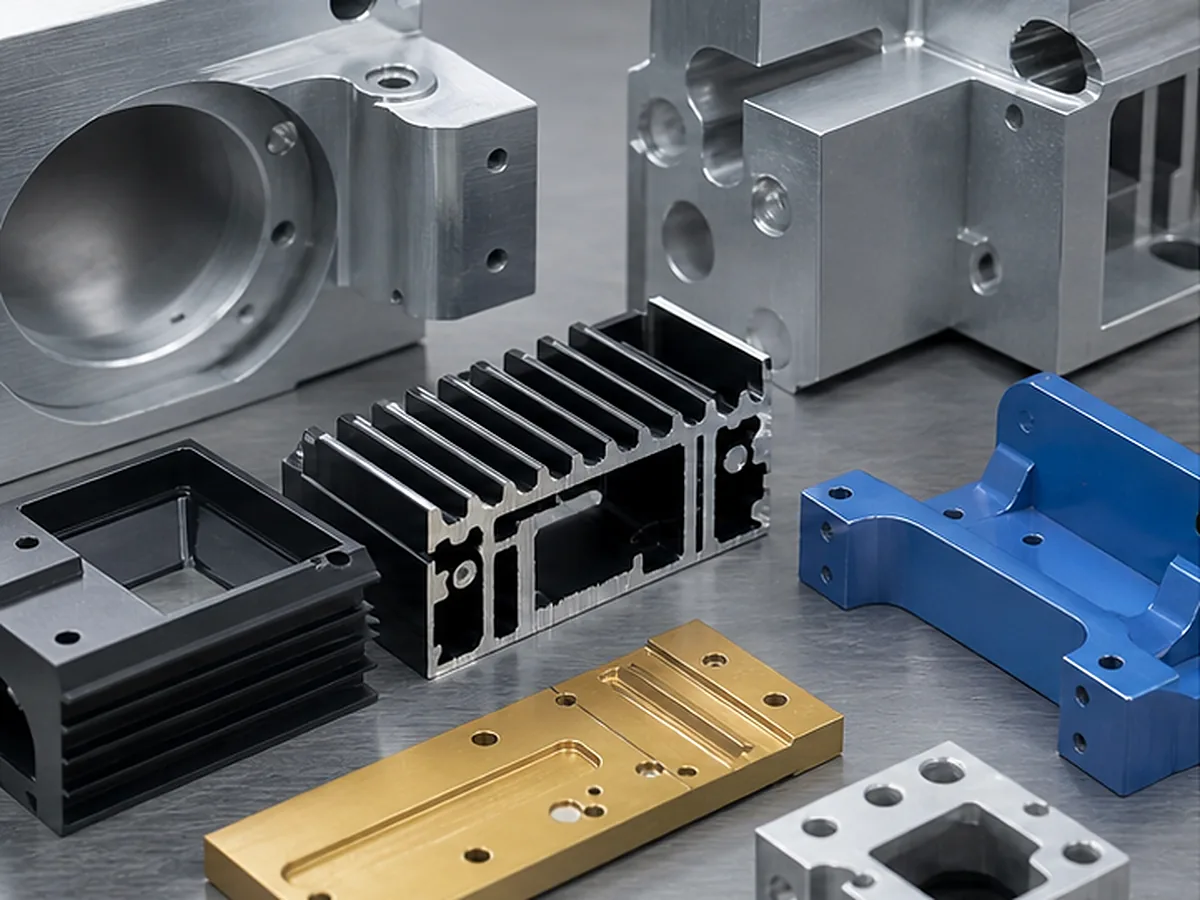
The Finish Name Is Only the Start
| Cost driver | Why it changes price | Buyer input |
|---|---|---|
| Pre-finish roughness | May require slower machining, polishing or blasting | Functional Ra and cosmetic zones |
| Coating process | Adds supplier, batch and minimum-charge effects | Standard and type |
| Thickness | Changes processing and dimensional compensation | Range and critical post-finish dimensions |
| Masking | Adds manual setup and edge risk | Drawing-defined keep-out zones |
| Color/appearance | May require sample matching and tighter handling | Color reference and viewing standard |
| Testing/certification | Adds measurement and records | Required test and report |
| Mixed finishes | Creates sequencing and protection steps | Process order and interface definition |
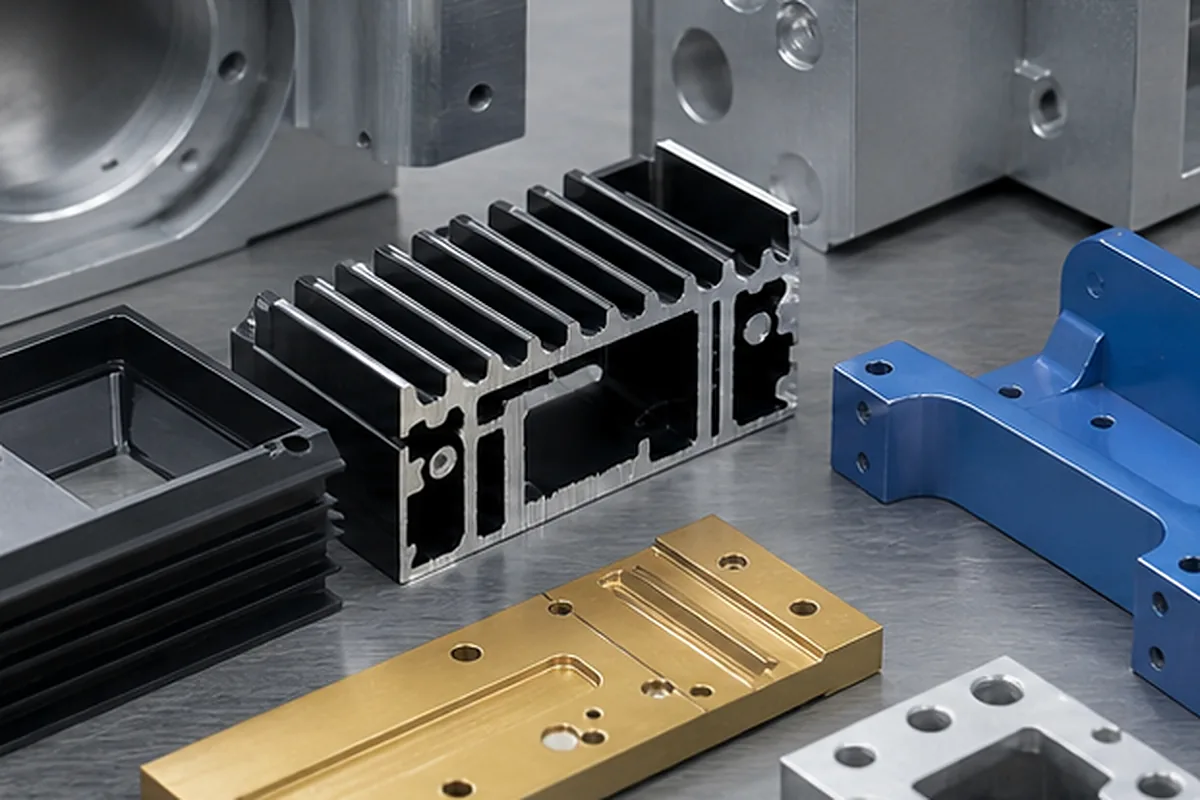
Functional Finish and Cosmetic Finish Need Different Controls
A sealing face may need roughness and flatness but no decorative coating. An enclosure face may need color consistency while hidden pockets do not. Mark A, B and C appearance zones and define which defects are unacceptable. “No scratches anywhere” can create inspection disputes because it lacks viewing distance, lighting and defect limits.
Finish Thickness Can Change Fit
Anodizing, plating and paint add or transform surface layers. Bores, threads, bearing seats, grounding faces and sealing interfaces may require masking or dimensional compensation. State whether the drawing dimension applies before or after finish and which surfaces must remain conductive or coating-free.
Examples of Avoidable Cost
- Specifying a fine machined roughness under an opaque coating without functional need
- Requiring cosmetic perfection on internal faces never seen after assembly
- Using a custom color for a small one-time batch without an approved sample
- Masking every thread when thread allowance or post-process chasing could be reviewed
- Adding polishing and bead blasting when one preparation route would meet appearance
- Requesting certificates or tests after parts have already been processed
Quote the Complete Finish Route
- Choose the finish based on environment and function.
- Specify substrate alloy and condition.
- Define preparation, finish standard, type and thickness.
- Mark masked and critical post-finish features.
- Define color, gloss, texture and cosmetic acceptance.
- State required certificates or tests.
- Confirm packaging that prevents finished surfaces touching.
When the Lowest Unit Price Is Misleading
A quote that excludes masking, certificate requirements, thread restoration, cosmetic inspection or protective packaging is not comparable with one that includes them. Ask each supplier to state finish scope, approved source, exclusions, minimum batch impact and responsibility for rejected coating.
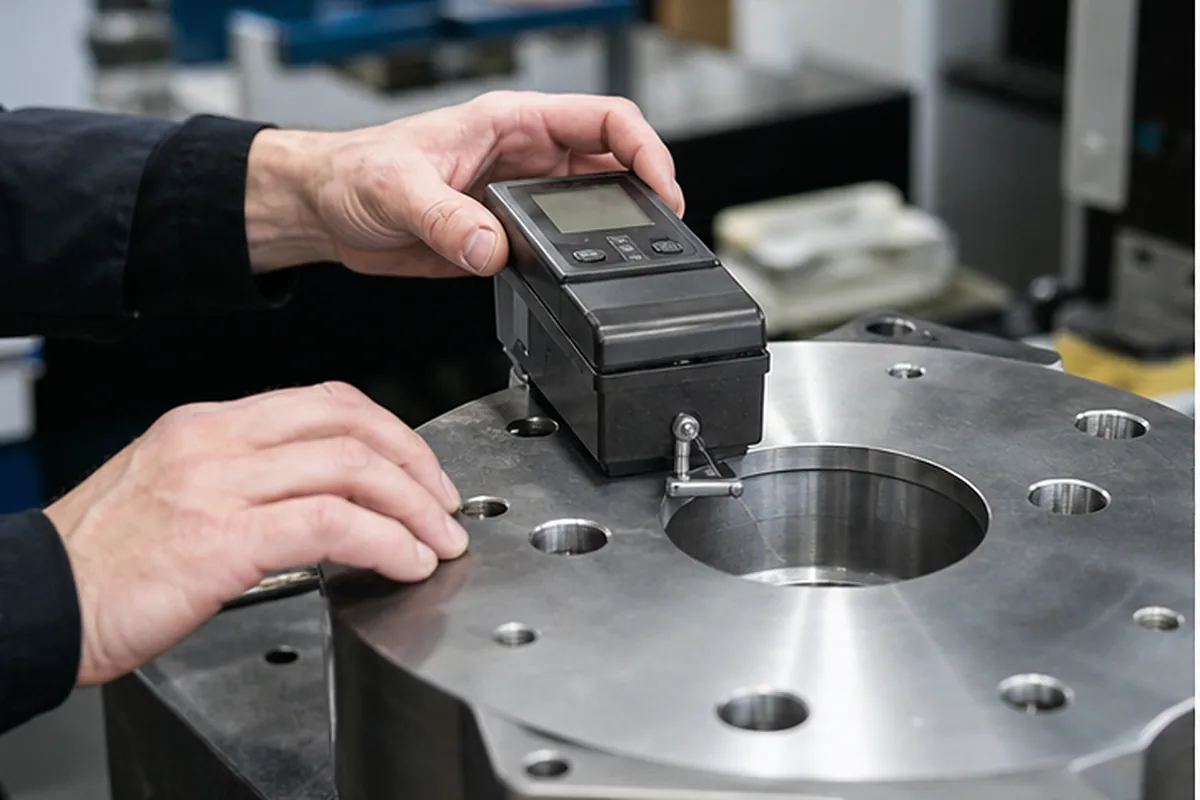
Our Review Method for How Surface Finish Affects CNC Machining Cost Requirements
When a finish can change dimensions, hide burrs, create color variation or damage cosmetic and sealing surfaces, late finish decisions can turn acceptable machined parts into rejected final parts. For How Surface Finish Affects CNC Machining Cost, our engineering and quotation review coordinates machining allowance, pretreatment, masking, rack-contact location, thread and fit protection, handling and post-process inspection as one route. This helps reduce rework, approval delays and avoidable purchasing cost without turning a screening assumption into a capability guarantee.
For the How Surface Finish Affects CNC Machining Cost buying decision, we confirm the route only after reviewing base material, process type/class, thickness, color or texture sample, masks, critical post-finish dimensions, tests and packaging. Any unresolved item is listed as an RFQ clarification so the buyer can compare scope, evidence, price and lead time on the same basis.
Control How Surface Finish Affects CNC Machining Cost on the Drawing
For How Surface Finish Affects CNC Machining Cost, identify the base material and condition, process standard, type or class, target thickness where applicable, color or texture, pretreatment, masking and rack-contact limits. Mark the threads, bores, datum surfaces, contacts, sealing faces and fits that need protection or post-process verification.
For How Surface Finish Affects CNC Machining Cost, state whether dimensions apply before or after treatment and define thickness, appearance, adhesion, corrosion or certificate checks only where required. Quantity, approved-processor requirements and first-article approval then become part of price and lead-time review.