

Complex Geometry
CNC Machining for Complex Multi-Feature Parts
Formexi evaluates complex parts that combine multiple orientations, deep features, tight relationships, thin sections or secondary processes. Complexity is managed through DFM, process sequencing, workholding, datum control and inspection—not by assigning every part to a five-axis machine.
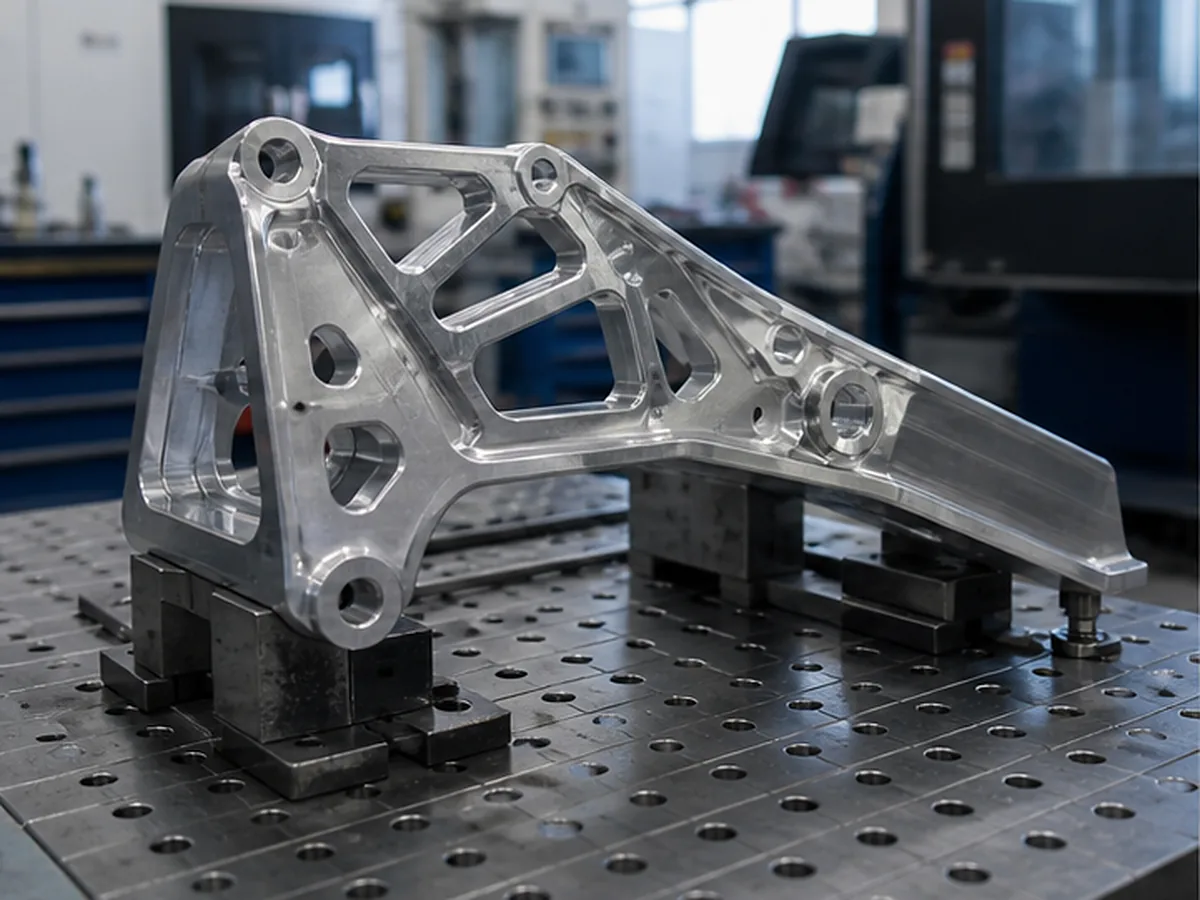
What Usually Creates Complexity
| Complexity source | Primary risk |
|---|---|
| Many feature orientations | Setup count and datum transfer |
| Deep pockets or long tool reach | Deflection, vibration and chip evacuation |
| Thin walls and heavy material removal | Distortion and loss of stability |
| Mixed tight tolerances | Process sequence and measurement access |
| Machining plus finishing/grinding/EDM | Allowance, handling and supplier coordination |
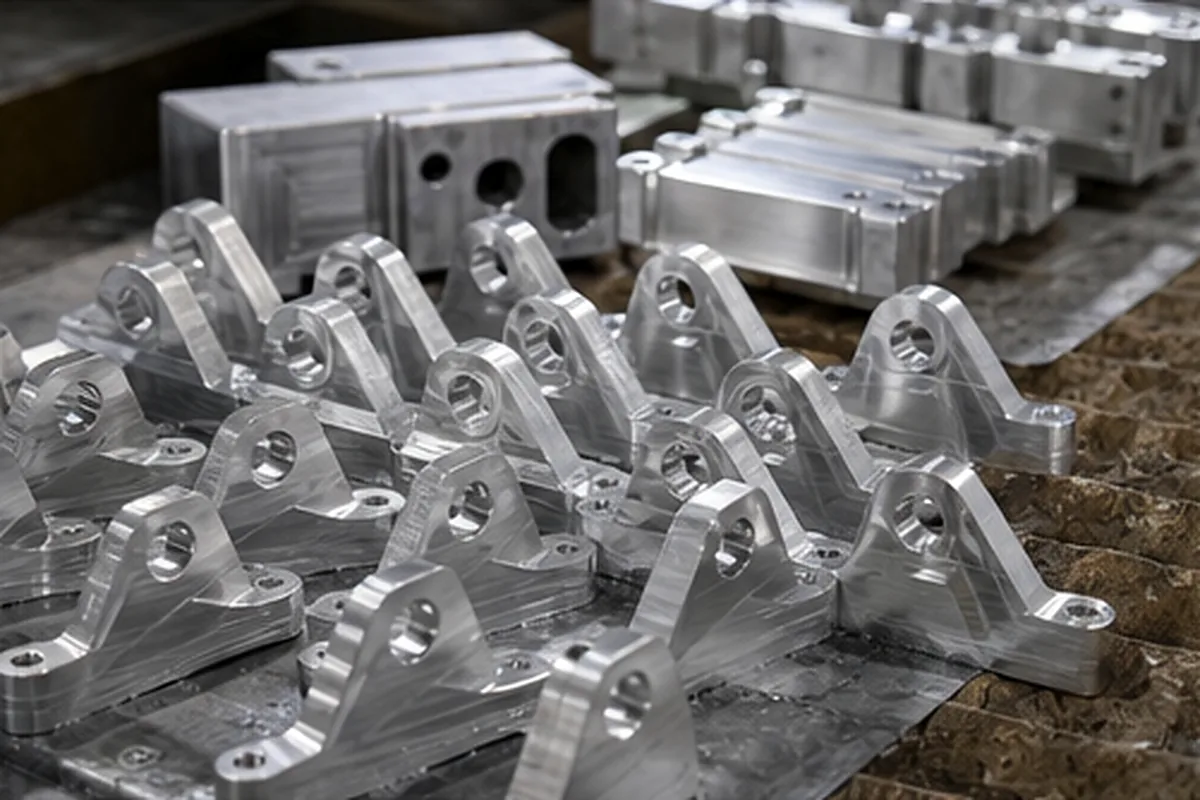
Process Selection
A complex part may use 3-axis machining with planned setups, 3+2 positioning, simultaneous 5-axis, turning plus milling, EDM, grinding or a combination. Formexi compares access, accuracy risk, cycle time, quantity and available verified equipment before confirming the route.
DFM Questions Buyers Should Expect
- Which dimensions are functional and which are general?
- Which surfaces define the inspection datums?
- Can internal radii or pocket depths be adjusted?
- Will finishing change critical dimensions?
- Is a prototype needed to validate deformation or assembly?
- Which quality reports must be generated?
Inspection Strategy
Complexity often moves from machining into measurement. Hidden features, freeform surfaces and cross-setup relationships may require CMM or dedicated fixtures. Inspection feasibility and report scope must be agreed before production.
Evidence Requirement
Formexi will add verified complex-part cases only after the material, process, setup logic, critical requirement, inspection and result are documented and cleared for publication.
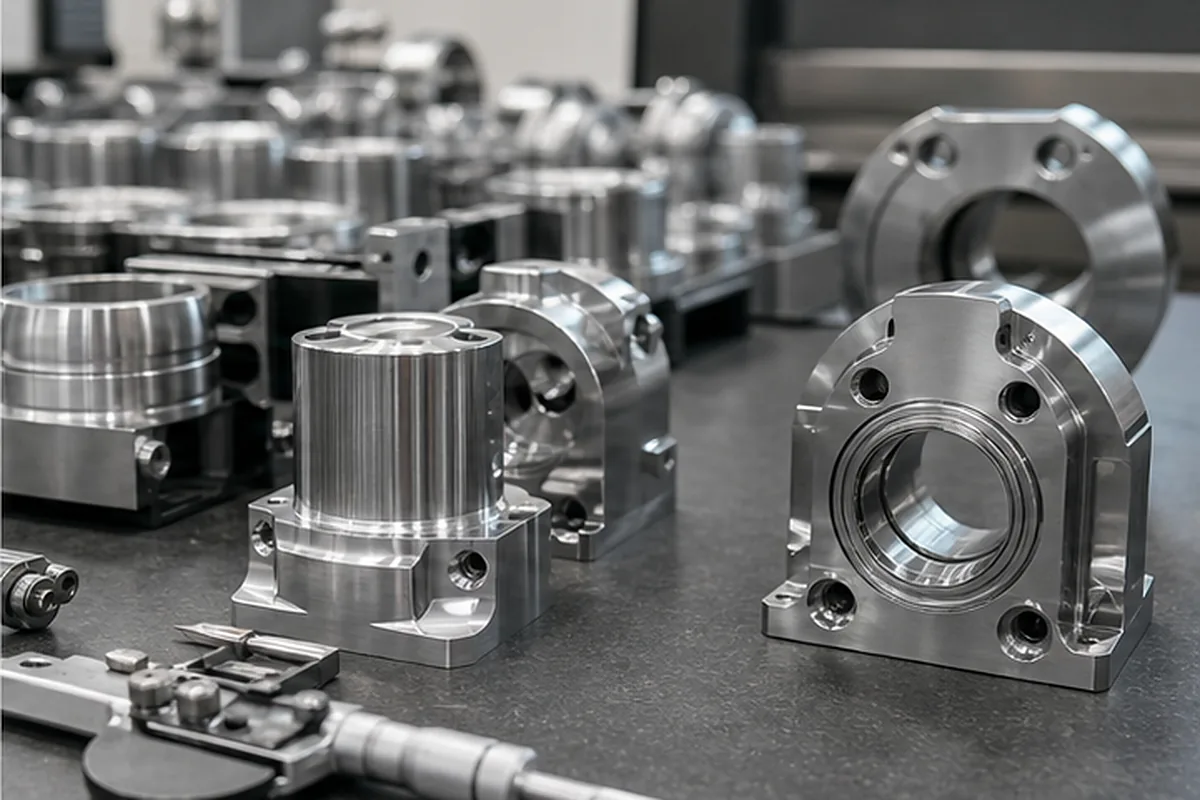
From CNC Machining for Complex Multi-Feature Parts Requirements to a Controlled Manufacturing Plan
A useful supplier solution for CNC Machining for Complex Multi-Feature Parts starts when buyers can overpay or lose datum consistency when a process is chosen from a machine label instead of the part geometry. Because unnecessary setups or an unjustified high-end route can add cost without improving the functional result, our project review compares rotational versus prismatic geometry, feature access, datum relationships, workholding, batch size and measurement access before selecting milling, turning or a combined route. That approach helps the buyer avoid paying for the wrong process and lowers the chance of discovering a critical issue after machining or finishing.
For the CNC Machining for Complex Multi-Feature Parts buying decision, our review needs the 2D drawing and 3D model, overall size, material state, critical datums and tolerances, quantity, finish and inspection documents. We record assumptions, approval points and evidence requirements before the quotation becomes the production baseline.
Confirm the Process for CNC Machining for Complex Multi-Feature Parts
For CNC Machining for Complex Multi-Feature Parts, submit the 2D drawing and 3D model with matching revision, exact material and condition, quantity and repeat demand. Identify relevant datums, critical tolerances, GD&T, threads, difficult-access geometry, thin walls, roughness, heat treatment and finish requirements.
The route for CNC Machining for Complex Multi-Feature Parts may require multiple setups, dedicated workholding, intermediate inspection or a justified secondary process. Select grinding, EDM, stress relief or post-finish verification only when the geometry and function require it; machine axis count alone does not establish final capability.
Review Geometry Before Choosing the Machine
Upload the native CAD file and drawing so tool access, setup and inspection can be evaluated from the actual model.