

CNC Cost Planning
CNC Machining Cost Breakdown: What Buyers Are Paying For
A CNC machining price normally includes material, programming, setup, cutting time, tooling, inspection, finishing, packaging, supplier overhead and commercial risk. The cost driver is not always machine time. A low-volume complex part may be dominated by setup and inspection, while a repeat batch may be driven by cycle time, material and tool wear.
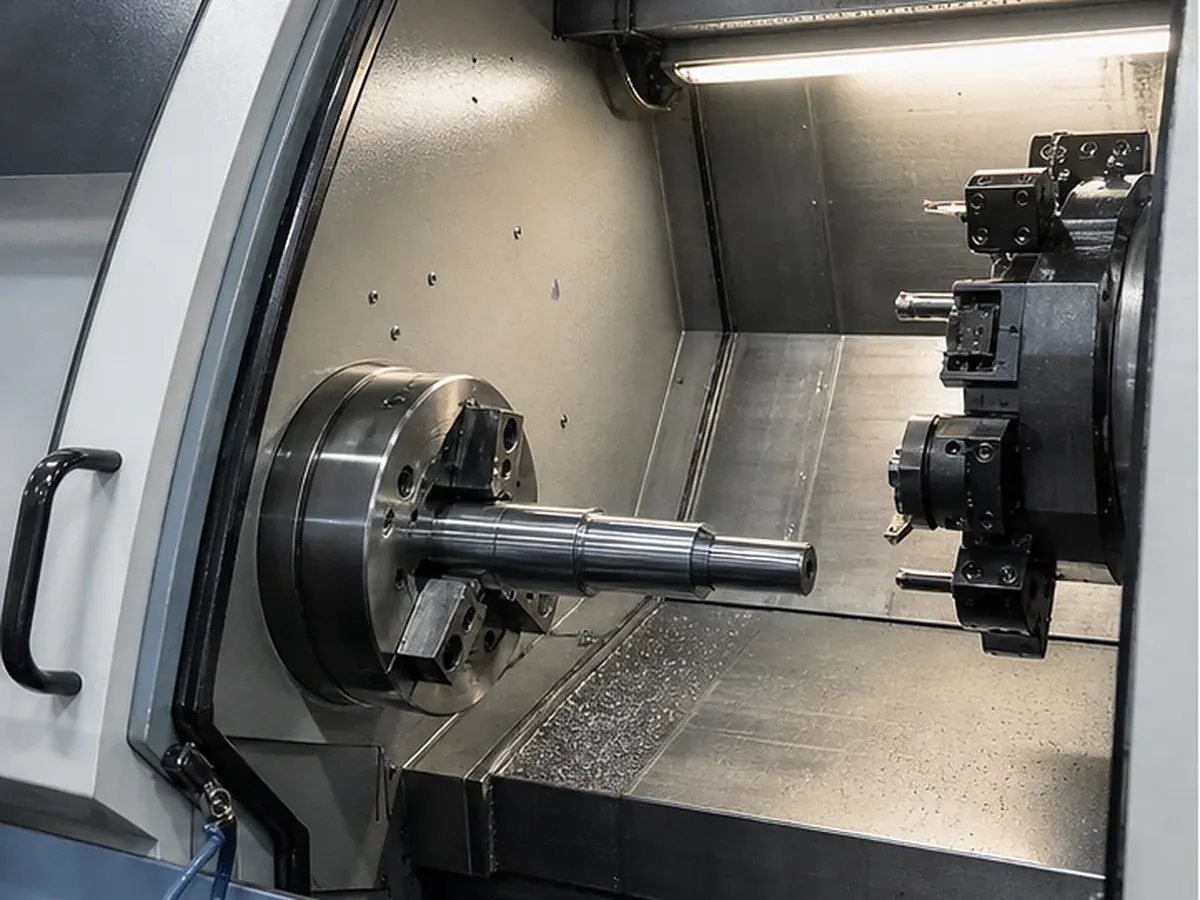
A Practical Cost Model
Total order cost = material and preparation + engineering/programming + setups and fixtures + machining time + tools and consumables + inspection/documents + secondary processing + packaging/logistics preparation + overhead and risk.
Unit cost = total order cost ÷ accepted quantity. This explains why the same part can have different unit prices at quantities of 1, 20 and 1,000. The formula is a comparison framework, not a public price calculator; each input depends on the actual drawing and supply route.
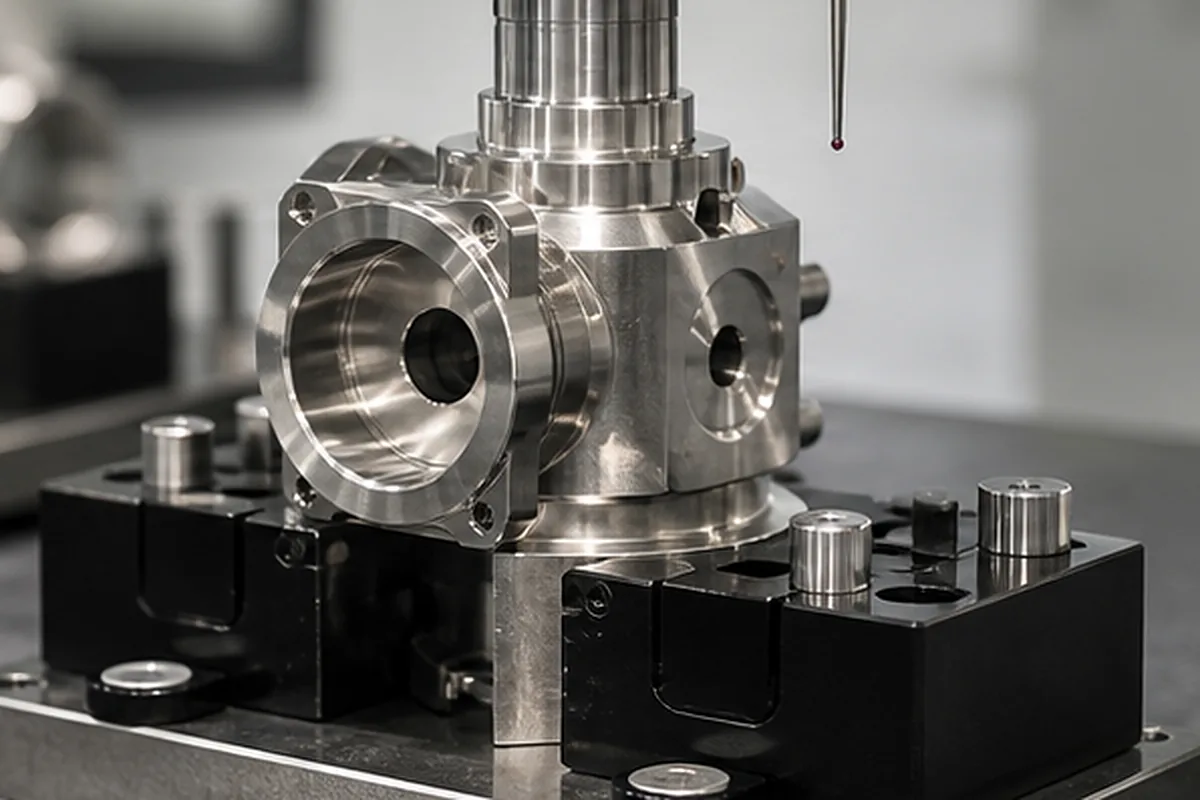
What Each Cost Component Covers
| Component | Typical scope | Buyer decisions that affect it |
|---|---|---|
| Material | Stock, cutting allowance, certification and scrap | Alloy, temper, stock form, traceability |
| Engineering | DFM, process planning, CAM and verification | Geometry complexity and revision quality |
| Setup/fixture | Workholding, alignment and first-piece proving | Setup count, quantity, datum strategy |
| Machining | Roughing, finishing, tool changes and handling | Volume removed, reach, tolerance, roughness |
| Inspection | In-process checks, final measurement and reports | Critical features, sampling, FAI/CMM scope |
| Finishing | Preparation, outside process, masking and verification | Finish type, thickness, color, cosmetic zones |
| Packaging | Protection, labeling and export preparation | Cosmetic, corrosion and traceability needs |
Cost Drivers Hidden in the Drawing
- Deep cavities and long tool reach
- Features requiring many part orientations
- Blanket tight tolerances or fine roughness
- Thin walls and distortion-sensitive geometry
- Hard-to-measure GD&T requirements
- Mixed finishes, masking and post-finish dimensions
- Special material sizes or certification requirements
Fixed, Variable and Risk Costs
Programming, setup and a dedicated fixture are largely order-level costs. Material, cycle time and some inspection scale with quantity. Risk allowance covers uncertainty such as incomplete drawings, unstable finishing criteria or difficult yield. A complete RFQ can reduce uncertainty even when it cannot change the underlying manufacturing work.
Questions to Ask About a Quote
- Which drawing revision, quantity and material were priced?
- Are finish, masking and post-finish inspection included?
- Is tooling or fixture cost separate, and who owns it?
- Which quality records and sampling are included?
- Does price include packaging, freight, duty or tax?
- Which assumptions can trigger a price revision?
Reduce Cost Without Removing Function
First find the dominant cost component. Simplifying a noncritical tolerance will not solve a material minimum, and negotiating cycle time will not remove five setups. Ask for feature-level DFM alternatives, compare them against the tolerance stack, and release an approved revision before manufacturing.
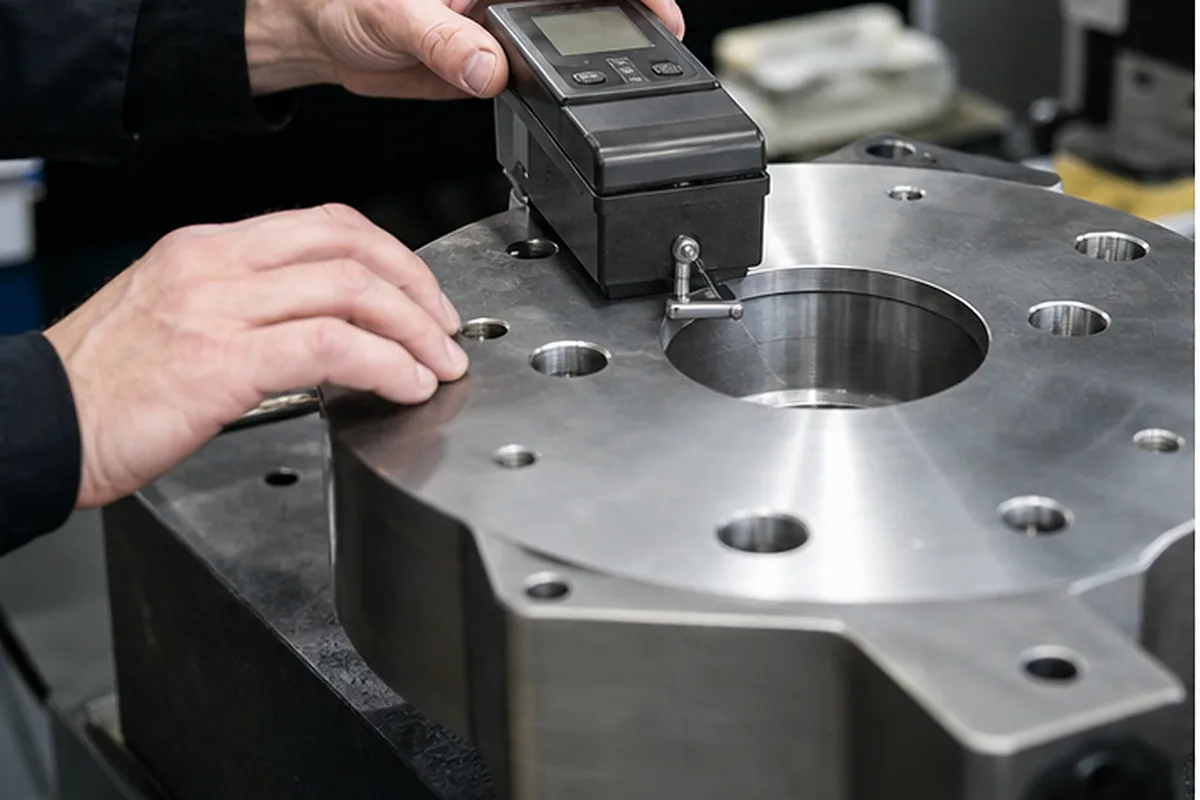
Our Review Method for CNC Machining Cost Breakdown: What Buyers Are Paying For Requirements
A useful supplier solution for CNC Machining Cost Breakdown: What Buyers Are Paying For starts when buyers can overpay or lose datum consistency when a process is chosen from a machine label instead of the part geometry. Because unnecessary setups or an unjustified high-end route can add cost without improving the functional result, our project review compares rotational versus prismatic geometry, feature access, datum relationships, workholding, batch size and measurement access before selecting milling, turning or a combined route. That approach helps the buyer avoid paying for the wrong process and lowers the chance of discovering a critical issue after machining or finishing.
For the CNC Machining Cost Breakdown: What Buyers Are Paying For buying decision, our review needs the 2D drawing and 3D model, overall size, material state, critical datums and tolerances, quantity, finish and inspection documents. We record assumptions, approval points and evidence requirements before the quotation becomes the production baseline.