

Quantity Pricing
How Order Quantity Affects CNC Machining Cost Per Part
CNC unit cost usually falls as quantity increases because programming, setup, fixture and first-article effort are spread across more accepted parts. The reduction eventually slows because material, cycle time, tool wear, finishing and inspection remain. The best price therefore depends on batch size, repeat frequency, design stability and inventory risk—not annual volume alone.
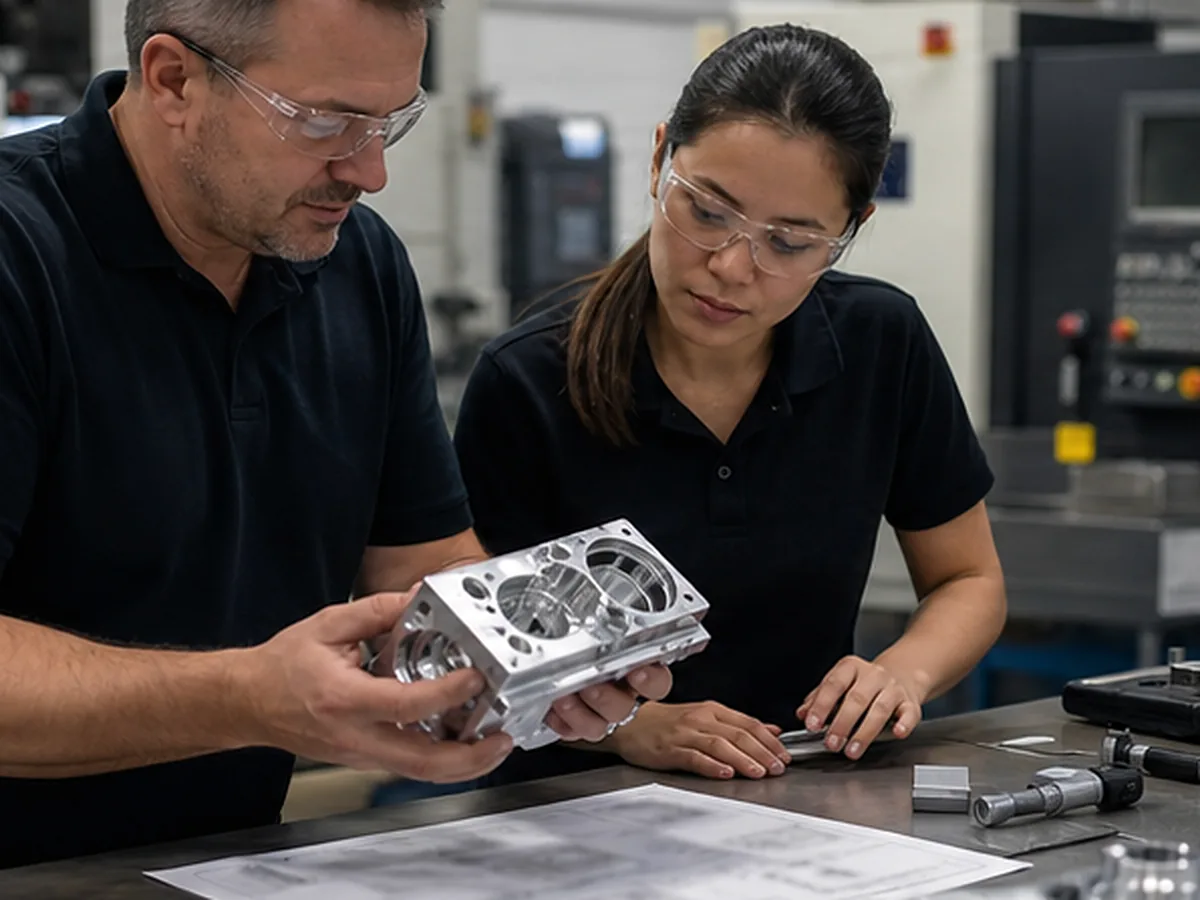
Separate Order-Level and Part-Level Costs
Unit cost = (order-level cost ÷ accepted quantity) + part-level cost.
| Mostly order-level | Mostly part-level |
|---|---|
| CAM programming and process planning | Material and cutting time |
| Machine setup and fixture proving | Tool consumption |
| First-piece or FAI preparation | Per-part finishing |
| Minimum finish/process charges | Inspection tied to each part |
| Export/document setup | Packaging units and freight weight |
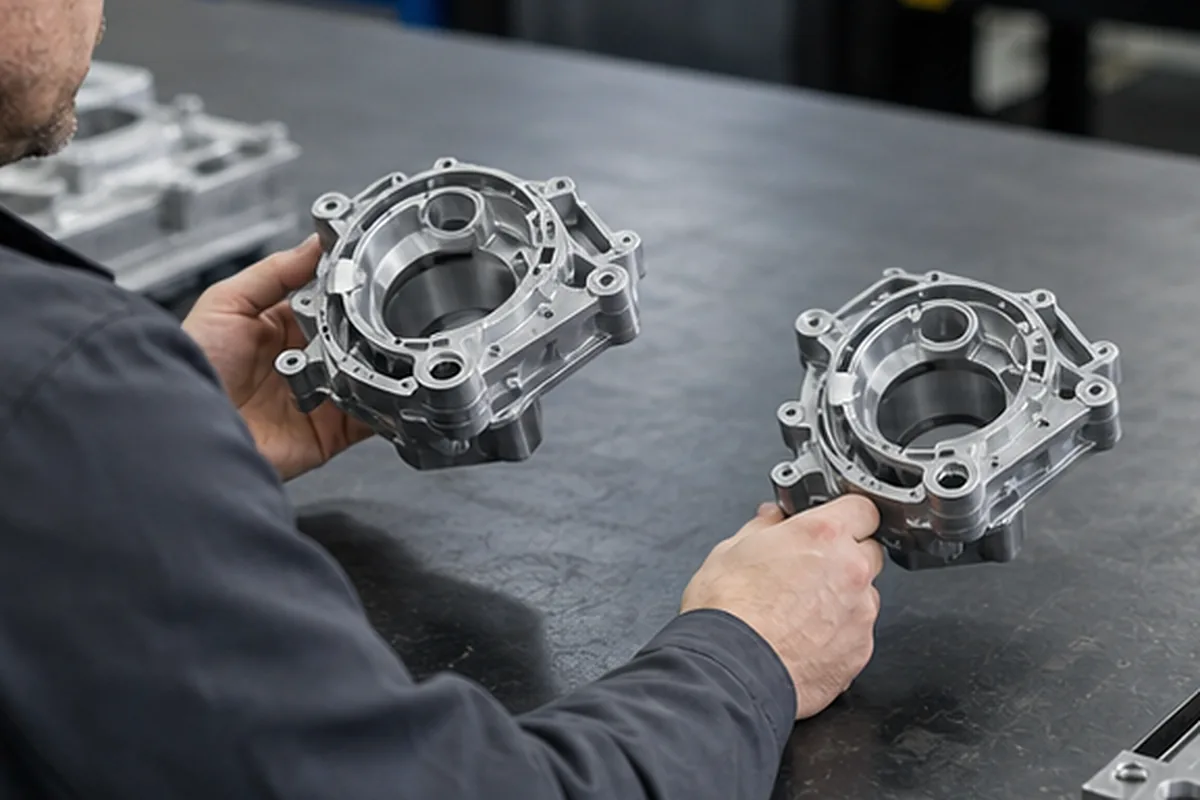
Why the Price Curve Is Not Linear
- Material suppliers may offer quantity breaks or impose minimums.
- A dedicated fixture may become economical above a certain repeat volume.
- Finishing processors often run batches with minimum charges.
- Long runs need tool-life planning and in-process inspection.
- Capacity, yield and delivery splitting can limit large-order savings.
- Inventory carrying cost can exceed the manufacturing discount.
Quote the Right Quantity Structure
Request price breaks for realistic order quantities, not an unsupported annual forecast. Provide prototype quantity, normal batch, maximum release and expected annual demand. Ask whether pricing assumes one shipment or scheduled releases, and how long material and fixture assumptions remain valid.
Example Decision Framework
Suppose a buyer needs 240 parts per year. Compare four orders of 60 with one order of 240 using total landed cost: setup, unit price, inspection, freight, payment timing, inventory space, design-change exposure and shortage risk. The larger batch may have a lower piece price but a higher total business cost if the design is still changing.
When a Larger Batch Is Usually More Defensible
- Drawing and demand are stable.
- Material and finish routes are approved.
- FAI has been accepted.
- Consumption forecast is reliable.
- Storage and preservation are controlled.
- The savings exceed financing and obsolescence risk.
When Smaller Releases Protect the Buyer
Use smaller batches during design validation, uncertain demand, supplier qualification or special-process stabilization. Pay attention to whether repeat setup variation could affect critical relationships; a control plan and validated fixture may be more important than maximizing the first quantity.
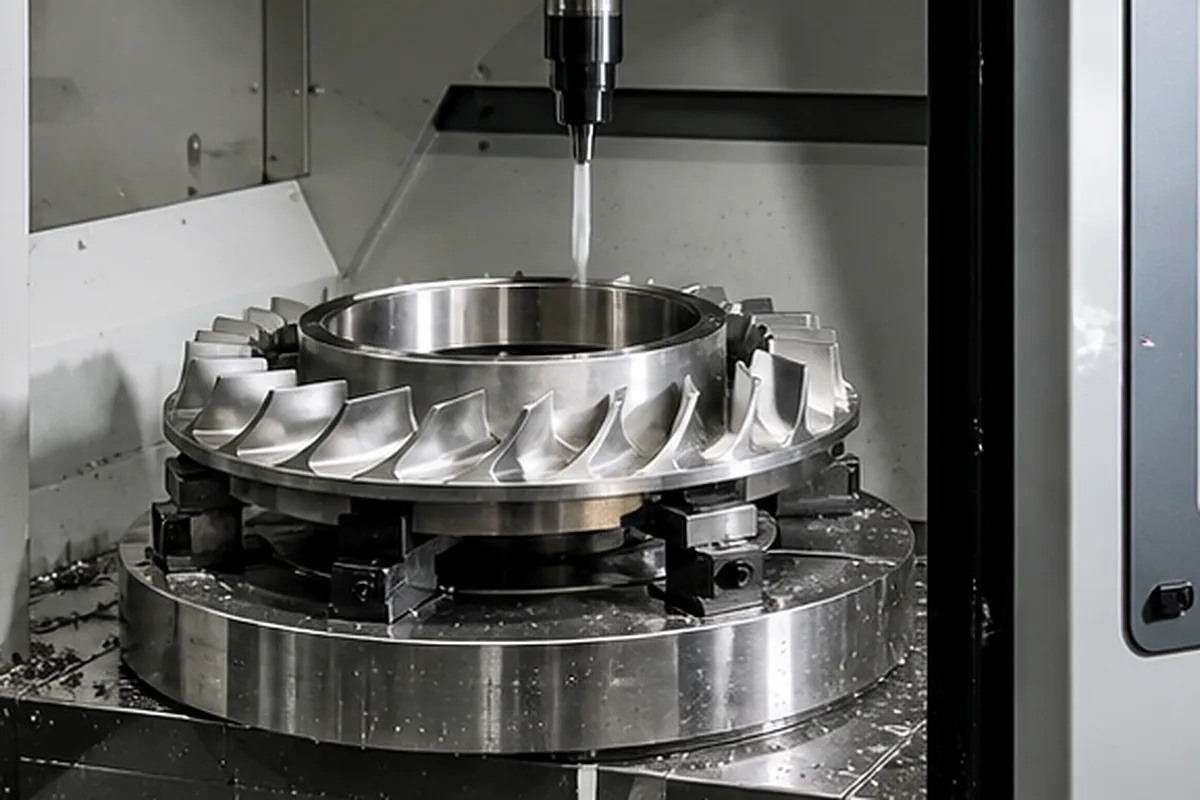
How We Control the Buyer Risk in How Order Quantity Affects CNC Machining Cost Per Part
The purchasing issue behind How Order Quantity Affects CNC Machining Cost Per Part is that buyers can overpay or lose datum consistency when a process is chosen from a machine label instead of the part geometry; as a result, unnecessary setups or an unjustified high-end route can add cost without improving the functional result. Our response is to compares rotational versus prismatic geometry, feature access, datum relationships, workholding, batch size and measurement access before selecting milling, turning or a combined route. The objective is to protect assembly and validation schedules while reducing preventable scrap, rework and supplier-change risk.
For the How Order Quantity Affects CNC Machining Cost Per Part buying decision, before we confirm price or delivery, the buyer should send the 2D drawing and 3D model, overall size, material state, critical datums and tolerances, quantity, finish and inspection documents. If a requirement cannot yet be verified, we keep it as an open condition instead of presenting it as a guaranteed result.