

Engineering Review Scenario
Planning Thin-Wall Aluminum Housing: Engineering Review Scenario
This page is a simplified engineering example for planning thin-wall aluminum housing. It is not a Formexi customer case, production record or capability claim. Use this scenario to identify the drawing, process, measurement and approval questions that a real RFQ must resolve.
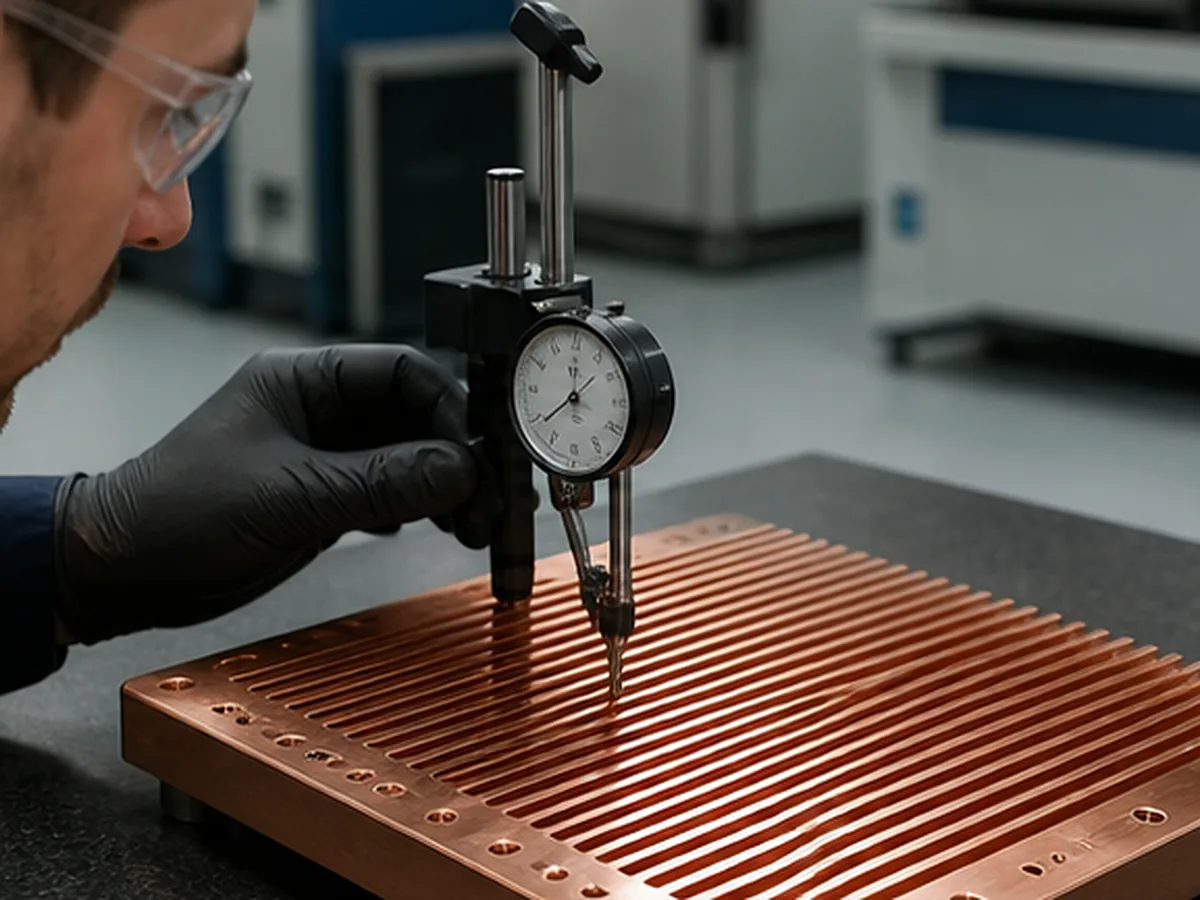
Buyer Decision this scenario
In this Planning Planning Thin-Wall Aluminum Housing: Engineering Review Scenario: Engineering Review Scenario example, the buyer decides whether geometry, material, tolerance, finish and quantity support a stable machining and inspection route. A real RFQ must add part function, controlled files, delivery destination and the decision deadline.
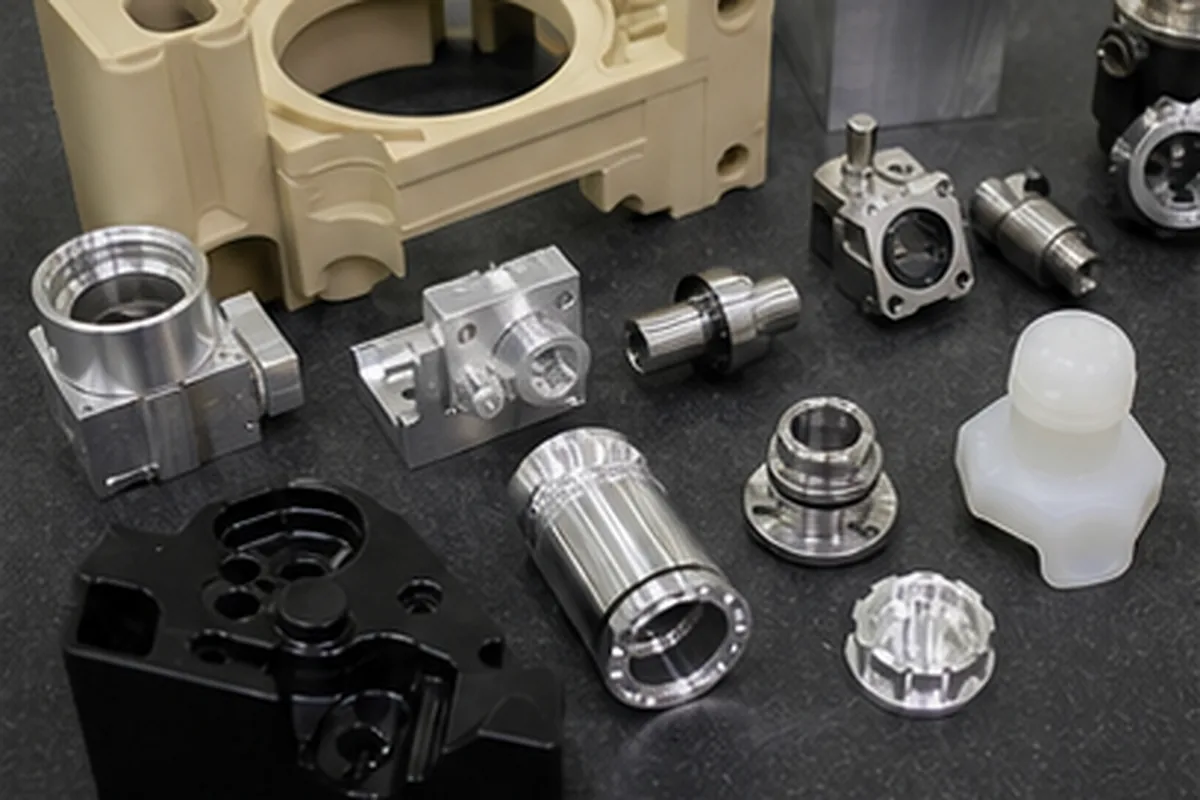
Inputs Required for a Real Project
Provide the exact material and condition, part and drawing revision, quantities, datum-based tolerances, finish, inspection documents and acceptance conditions. Any values used this scenario are decision prompts rather than measured production results.
Engineering Review and Decision Process
- Record stock form and roughing sequence.
- Define free-state inspection and support.
- Review temporary supports and clamping force.
- Control cosmetic preparation and packaging.
Manufacturing and Quality Route to Validate
Compare stock form, process type, setup count, workholding, tool access, intermediate checks, external processing and final measurement access. Confirm the selected equipment and inspection resources during quotation; do not infer capability from this scenario.
Failure Mode to Test
For Planning Planning Thin-Wall Aluminum Housing: Engineering Review Scenario: Engineering Review Scenario, identify the most credible distortion, access, burr, finish, datum-transfer or measurement risk. Run a first article or controlled trial when approved data cannot establish the result, then document the cause and authorized correction.
Evidence Needed Before a Result Is Claimed
A publishable result needs the sample and batch size, controlled revision, measurement method, acceptance record, delivery outcome and customer authorization. This simplified example supplies none of those facts.
What Makes a Customer Case Verifiable
- Authorized and anonymized project context
- Controlled drawing revision and material record
- Traceable process, setup or fixture evidence
- Inspection results tied to the same lot
- Named technical author and reviewer
- Written permission for every image and disclosed result
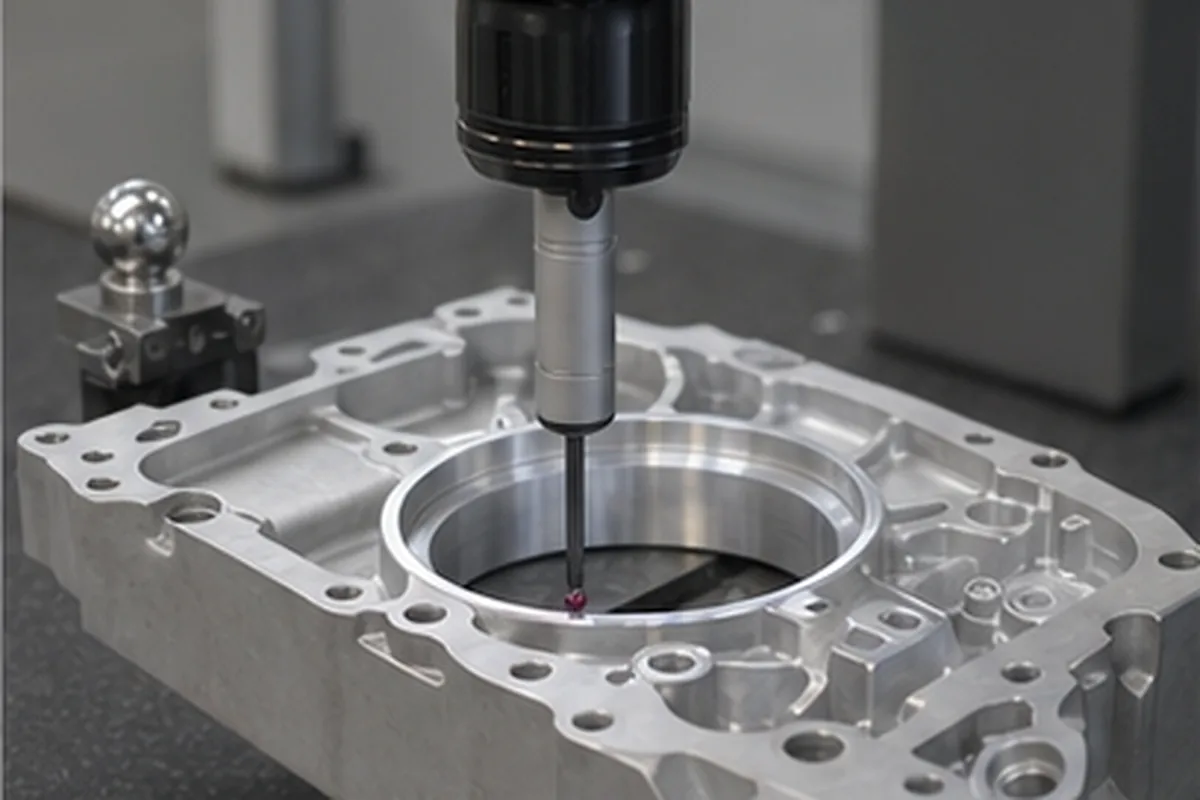
How We Reduce Sourcing and Manufacturing Risk for Planning Thin-Wall Aluminum Housing: Engineering Review Scenario
A useful supplier solution for Planning Thin-Wall Aluminum Housing: Engineering Review Scenario starts when a drawing resembles this scenario but no approved process data exists. Because pricing an assumed route as though it were proven can create tolerance, finish and delivery surprises, our project review starts with the controlled drawing, identifies the highest-risk feature, and proposes a first-article and measurement gate before repeat production. That approach helps the buyer avoid paying for the wrong process and lowers the chance of discovering a critical issue after machining or finishing.
For the Planning Thin-Wall Aluminum Housing: Engineering Review Scenario buying decision, our review needs the 2D drawing, 3D model, material state, quantity, critical characteristics, finish, inspection plan and authorization boundary. We record assumptions, approval points and evidence requirements before the quotation becomes the production baseline.
DFM Risk, Consequence and Approval Boundary
The assumed risk is a wide unsupported wall combined with heavy one-sided stock removal and a free-state flatness requirement. Release from the fixture can expose residual-stress movement and make inspection setup-dependent. Review local ribs, balanced stock removal, temporary support and a defined restrained or free-state inspection condition. Wall, mass or envelope changes remain subject to buyer approval because they may affect assembly and thermal function.