

Stainless Machinability
Work Hardening in Stainless Steel CNC Machining
Austenitic and other stainless steels can harden locally when a tool rubs, dwells or repeatedly cuts a deformed surface. Maintain a sharp tool, rigid setup, effective chip formation and consistent engagement. Exact parameters depend on grade, condition, tool and feature.
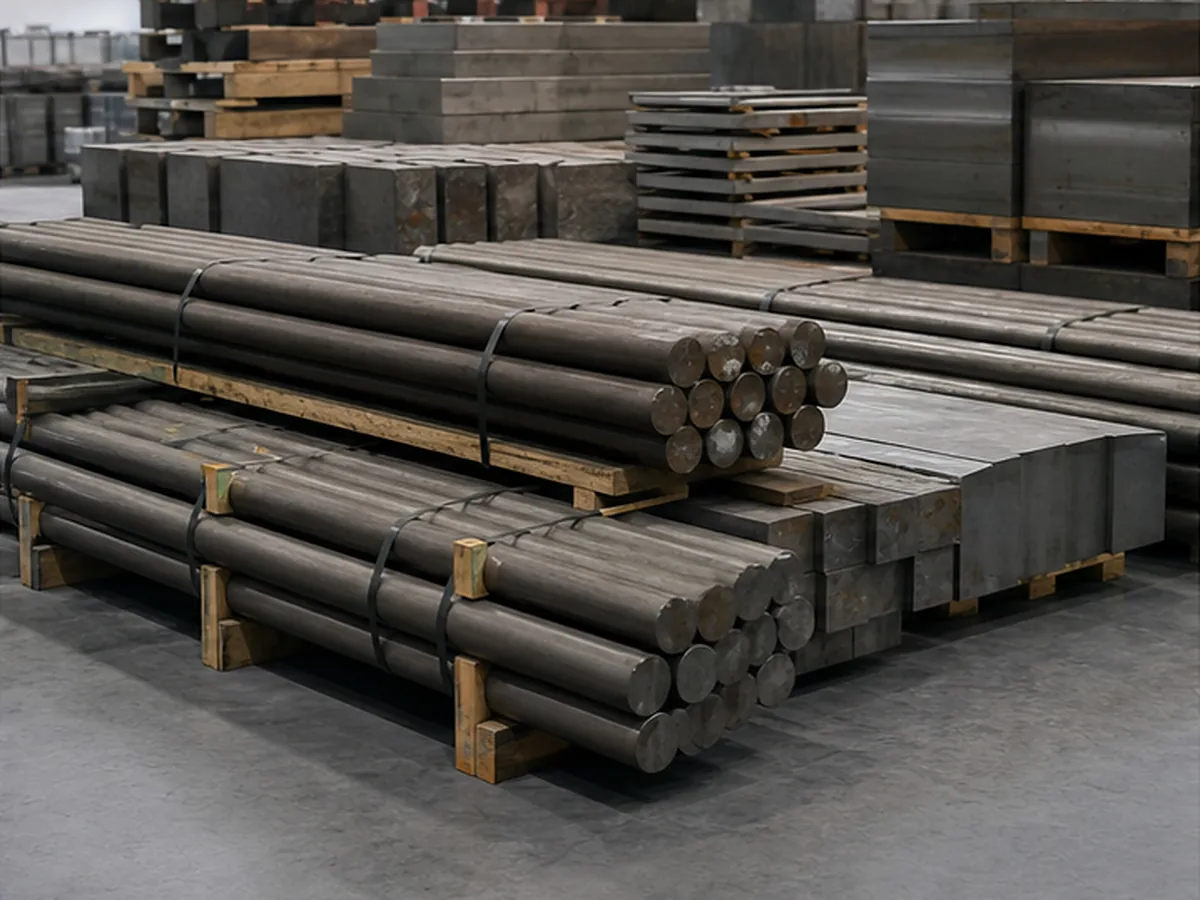
Control Tool Engagement, Feed, Heat and Tool Wear
- Confirm stainless grade and starting condition.
- Use a rigid setup with limited tool overhang.
- Select tooling and engagement that cut beneath the affected layer.
- Maintain coolant and chip evacuation.
- Monitor wear before it creates rubbing and dimensional drift.
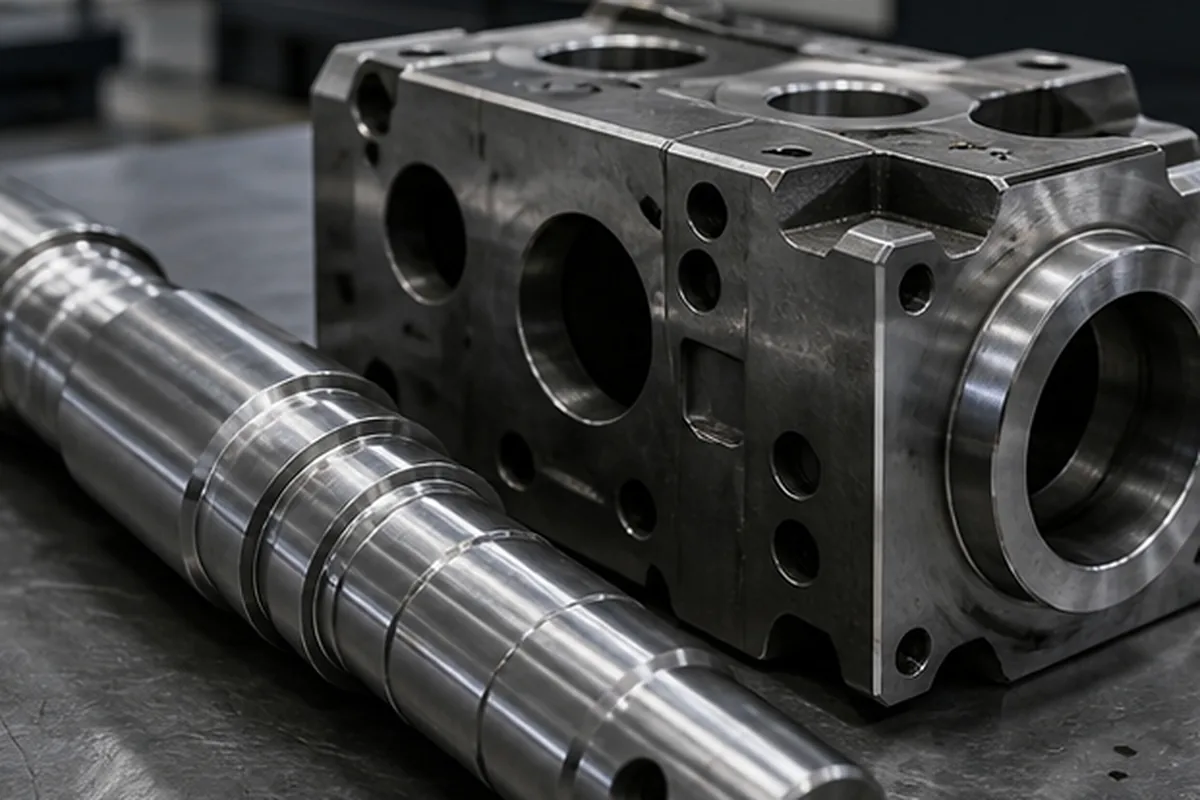
Avoid Repeated Rubbing Cuts and Unplanned Tool Dwell
- Reducing feed until the tool rubs
- Dwelling at a bore or shoulder
- Re-entering a hardened surface with a weak tool
- Treating 303, 304, 316L and hardened grades as equivalent
Information Required for a Useful Quote
Provide the exact material grade, condition, governing standard, permitted product form, certificate/traceability needs, quantity, geometry, final finish and service constraints. Availability and machining route remain subject to project review.
Validation Boundary
Published property values are screening information and vary by grade, form, test condition and supplier. The buyer must validate the final material against the product’s load, environment and compliance requirements.
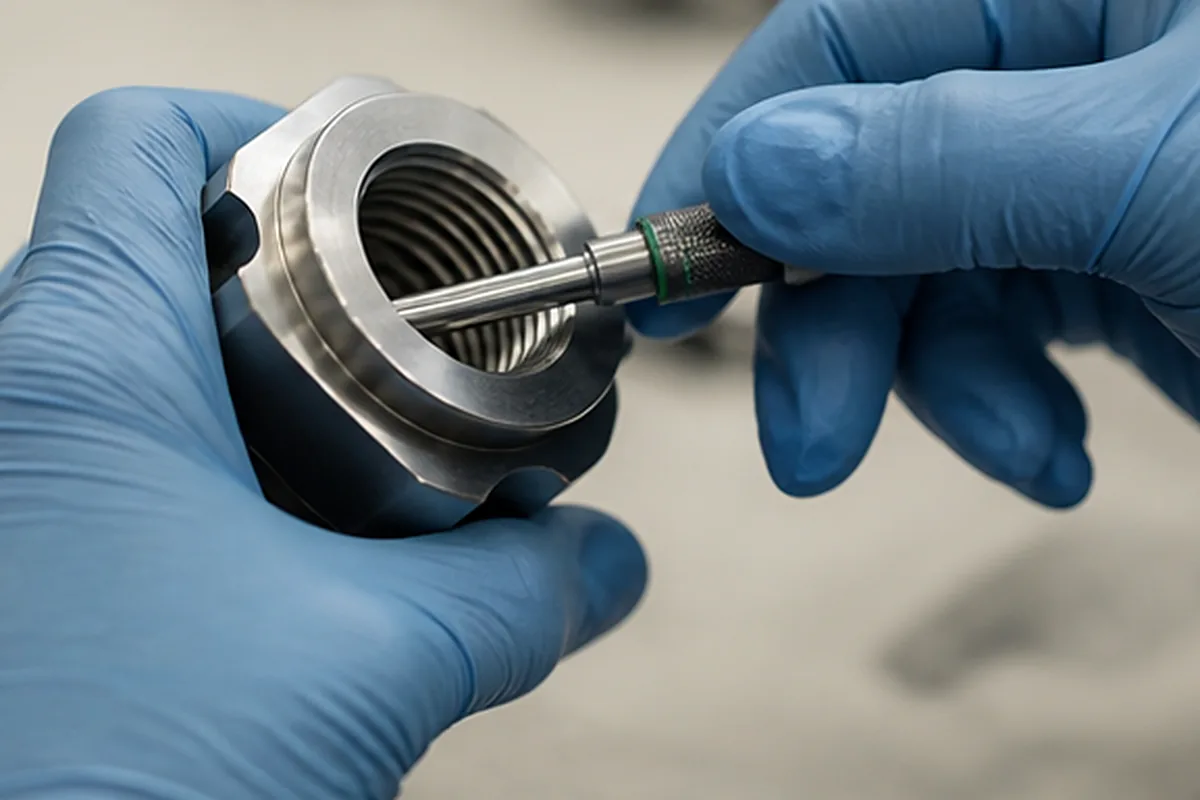
How We Reduce Sourcing and Manufacturing Risk for Work Hardening in Stainless Steel CNC Machining
The purchasing issue behind Work Hardening in Stainless Steel CNC Machining is that stainless parts can combine work hardening, tool wear, burrs, heat and surface-finish requirements; as a result, an unstable cutting or deburring route can move critical sizes and leave assembly or cleanliness problems. Our response is to reviews grade and condition, keeps tools engaged with a controlled sequence, plans burr access, and separates machining, specified heat treatment and passivation stages, including the governing standard, masking and final dimensional acceptance. The objective is to protect assembly and validation schedules while reducing preventable scrap, rework and supplier-change risk.
For the Work Hardening in Stainless Steel CNC Machining buying decision, before we confirm price or delivery, the buyer should send the stainless grade and condition, hardness, critical edges and threads, roughness, heat treatment, passivation specification and inspection scope. If a requirement cannot yet be verified, we keep it as an open condition instead of presenting it as a guaranteed result.
Confirm the Process for Work Hardening in Stainless Steel CNC Machining
For Work Hardening in Stainless Steel CNC Machining, submit the 2D drawing and 3D model with matching revision, exact material and condition, quantity and repeat demand. Identify relevant datums, critical tolerances, GD&T, threads, difficult-access geometry, thin walls, roughness, heat treatment and finish requirements.
The route for Work Hardening in Stainless Steel CNC Machining may require multiple setups, dedicated workholding, intermediate inspection or a justified secondary process. Select grinding, EDM, stress relief or post-finish verification only when the geometry and function require it; machine axis count alone does not establish final capability.