

Anodizing Appearance
Why Anodized Aluminum Parts Have Color Variation
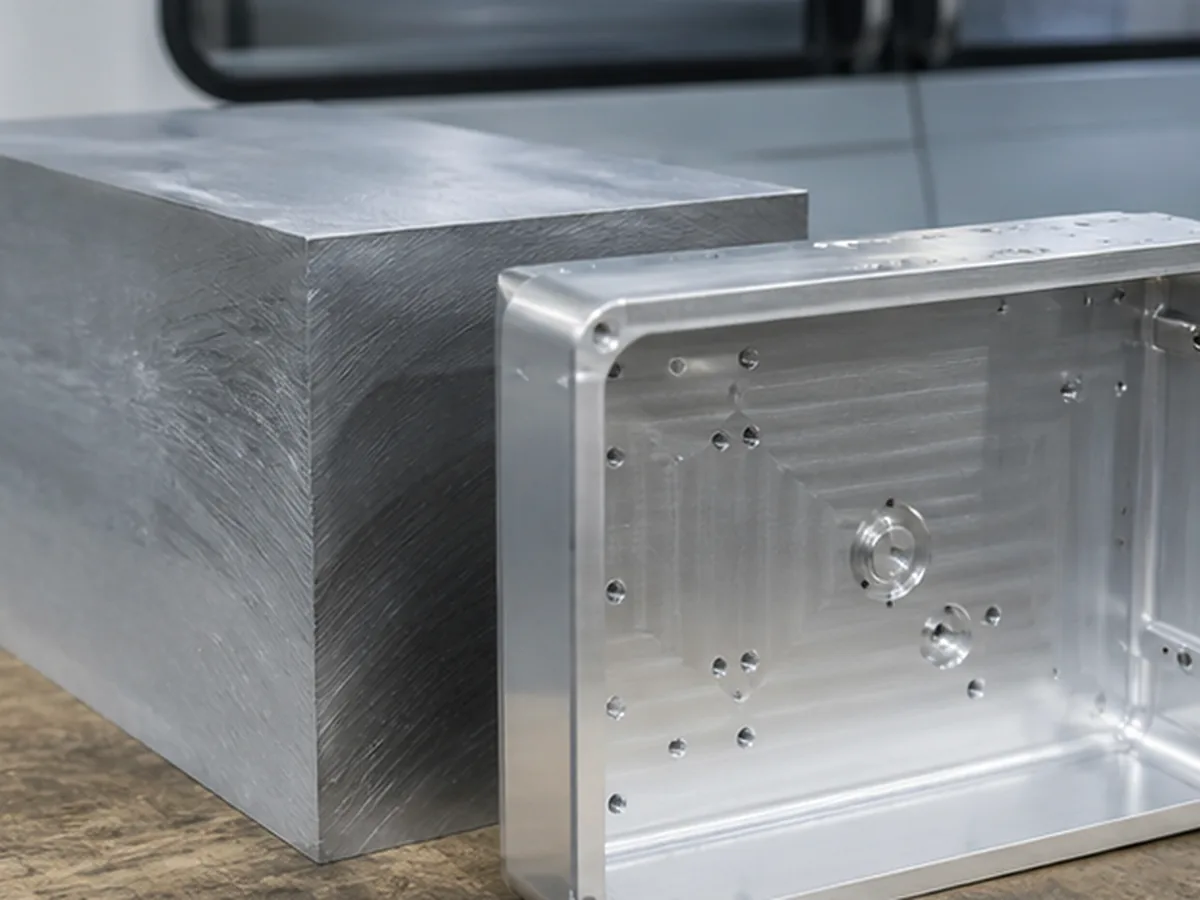
Anodized aluminum color varies with alloy chemistry, temper, stock lot, surface preparation, machining texture, anodic-film thickness, dye and sealing conditions, rack contact and viewing conditions. Color matching is more reliable when parts use controlled material lots, one approved process route, defined cosmetic zones and a physical limit sample—not a color name alone.
First Decide Whether the Variation Is Acceptable
Anodizing is a conversion of the aluminum surface, so some variation can occur even when the process is controlled. Acceptance should define finish type, color reference, gloss/texture, cosmetic zones, viewing distance, lighting and whether parts are compared within one batch or across future batches.
Main Sources of Color Difference
| Variable | How it affects appearance | Buyer control |
|---|---|---|
| Alloy and temper | Different constituents respond differently | Specify exact alloy/temper |
| Material lot/form | Chemistry and microstructure can vary | Control lot where matching is critical |
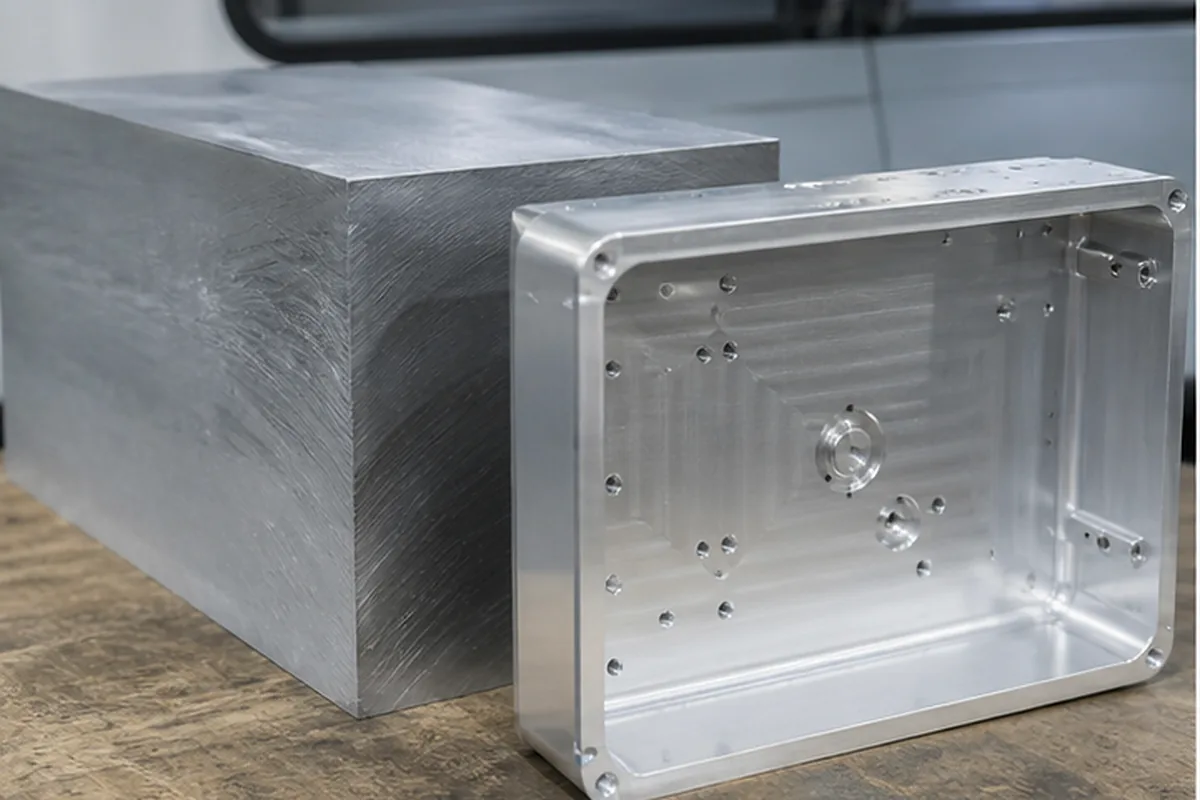
| Machined surface | Toolpath and roughness affect reflectance | Define preparation and cosmetic zones |
| Blasting/polishing | Media, direction and intensity alter texture | Approve a controlled reference sample |
| Film and dye process | Thickness and absorption influence shade | Specify process standard/type and color |
| Rack contact | Contact points remain visually different | Mark permissible rack locations |
| Lighting | Angle and color temperature alter perception | Define inspection condition |
Machining Differences Can Remain Visible After Anodizing
Different cutter paths, polished repairs, welded areas or mixed stock may reflect light differently after anodizing. Anodizing does not function as an opaque paint layer and may reveal substrate variation. Discuss appearance before machining when the part has large visible faces.
How to Improve Batch Consistency
- Use the same alloy, temper, stock form and preferably controlled lot.
- Machine and prepare cosmetic faces consistently.
- Process matching components in the same controlled batch where practical.
- Define rack-contact and masked locations on the drawing.
- Approve physical limit samples under agreed lighting.
- Package parts so finished faces do not rub.
What Not to Specify
“Black anodize, perfect color, no variation” is not a measurable requirement. A digital image or screen value is also an unreliable master because camera, display and lighting alter appearance. If an instrumental color tolerance is required, agree on the measurement system, geometry and acceptance values before quotation.
Can Color Variation Be Reworked?
Stripping and re-anodizing may change dimensions, surface texture and fatigue/corrosion performance and can increase rejection risk. Local touch-up rarely matches a controlled cosmetic face. The supplier and buyer must review material removal, tolerance and performance before approving reprocessing.
How We Control the Buyer Risk in Why Anodized Aluminum Parts Have Color Variation
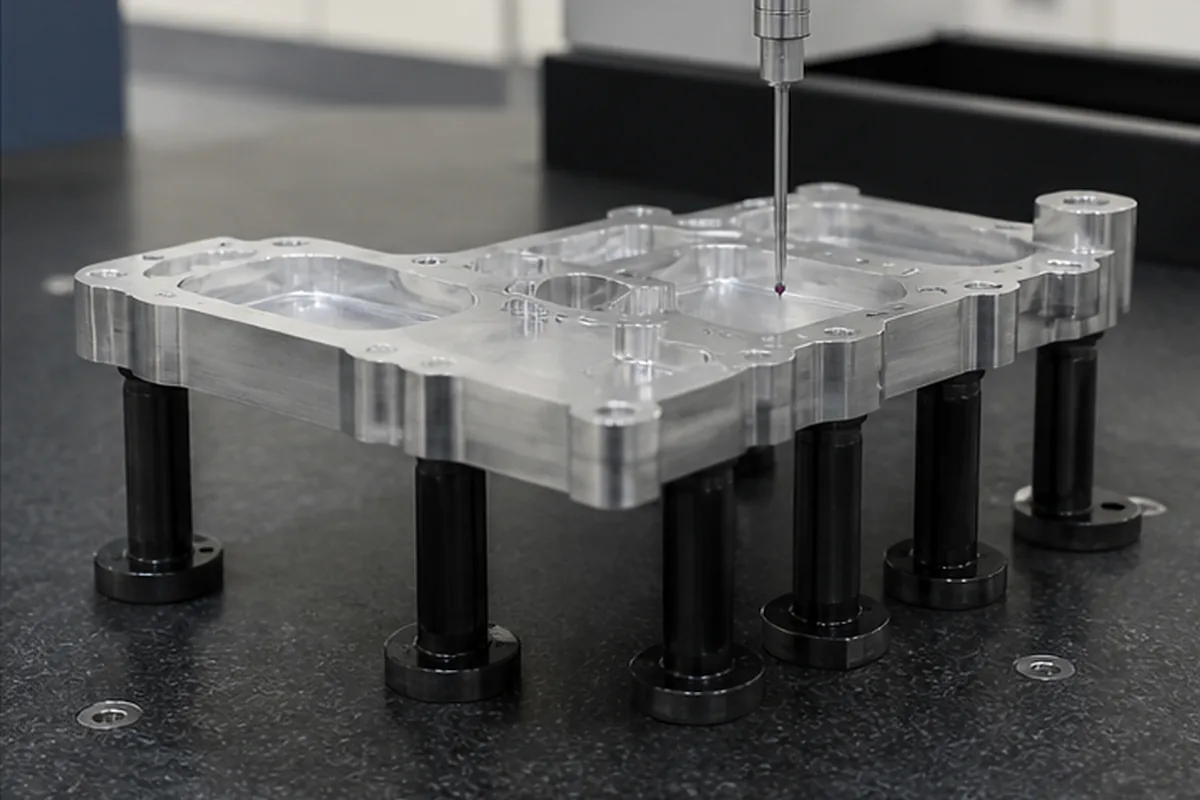
The purchasing issue behind Why Anodized Aluminum Parts Have Color Variation is that a finish can change dimensions, hide burrs, create color variation or damage cosmetic and sealing surfaces; as a result, late finish decisions can turn acceptable machined parts into rejected final parts. Our response is to coordinates machining allowance, pretreatment, masking, rack-contact location, thread and fit protection, handling and post-process inspection as one route. The objective is to protect assembly and validation schedules while reducing preventable scrap, rework and supplier-change risk.
For the Why Anodized Aluminum Parts Have Color Variation buying decision, before we confirm price or delivery, the buyer should send base material, process type/class, thickness, color or texture sample, masks, critical post-finish dimensions, tests and packaging. If a requirement cannot yet be verified, we keep it as an open condition instead of presenting it as a guaranteed result.
Control Anodized Aluminum Parts Have Color Variation on the Drawing
For Anodized Aluminum Parts Have Color Variation, identify the base material and condition, process standard, type or class, target thickness where applicable, color or texture, pretreatment, masking and rack-contact limits. Mark the threads, bores, datum surfaces, contacts, sealing faces and fits that need protection or post-process verification.
For Anodized Aluminum Parts Have Color Variation, state whether dimensions apply before or after treatment and define thickness, appearance, adhesion, corrosion or certificate checks only where required. Quantity, approved-processor requirements and first-article approval then become part of price and lead-time review.