

Purchase Order Control
What to Include in a CNC Machining Purchase Order
A CNC purchase order should identify the supplier, controlled part and revision, quantity, price, material, finish, quality documents, delivery term, destination, required date, packaging, change approval and governing commercial terms. Attach or reference the final accepted quotation and technical package.
Recommended Control Sequence
- List part number, description, revision and quantity.
- Reference the approved quote and all controlled specifications.
- State inspection, FAI, certificates and traceability.
- Define delivery basis, named place and required timing.
- Include packaging, labeling, deviation and change-control requirements.

Buyer, Supplier and Design Authority Responsibilities
For What to Include in a CNC Machining Purchase Order, the buyer controls the purchase requirement and approval route, the supplier controls the proposed manufacturing and inspection process, and design authority approves departures that affect function. Define responsible names, response times and approval records before work starts.
Common Failure Modes
- PO revision differing from the quoted revision
- Using notes such as ‘standard quality’
- Failing to define whether reports are included
- Conflicting dates or Incoterms across documents
Questions to Resolve in Writing
- Which document wins if requirements conflict?
- Does lead time begin after payment or technical approval?
- Are substitutions prohibited without consent?
- Who can approve deviations?
Evidence to Retain
Retain the controlled revision, quotation and purchase order, technical questions, approvals, inspection records, certificates, packaging release and shipment identity. The evidence depth should match part risk and contractual requirements.
How We Control the Buyer Risk in What to Include in a CNC Machining Purchase Order
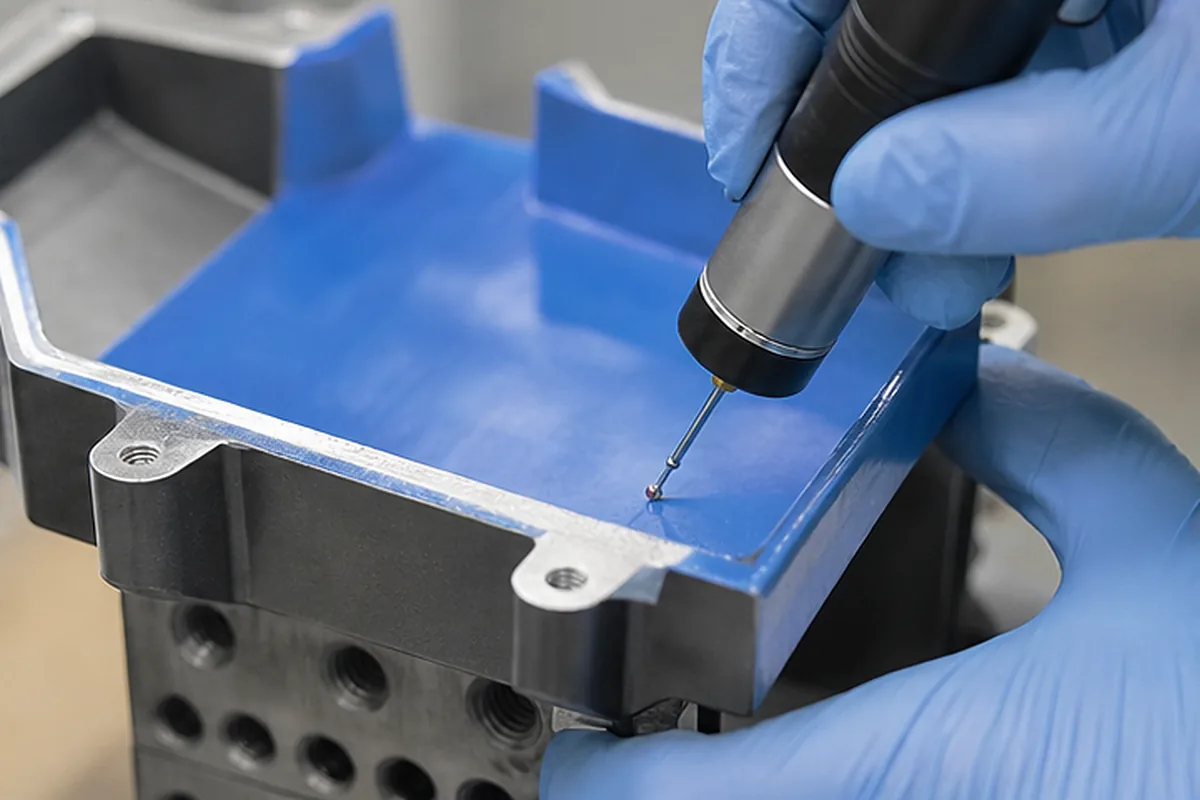
A useful supplier solution for What to Include in a CNC Machining Purchase Order starts when buyers can overpay or lose datum consistency when a process is chosen from a machine label instead of the part geometry. Because unnecessary setups or an unjustified high-end route can add cost without improving the functional result, our project review compares rotational versus prismatic geometry, feature access, datum relationships, workholding, batch size and measurement access before selecting milling, turning or a combined route. That approach helps the buyer avoid paying for the wrong process and lowers the chance of discovering a critical issue after machining or finishing.
For the What to Include in a CNC Machining Purchase Order buying decision, our review needs the 2D drawing and 3D model, overall size, material state, critical datums and tolerances, quantity, finish and inspection documents. We record assumptions, approval points and evidence requirements before the quotation becomes the production baseline.