

Production Readiness
Prototype-to-Production CNC Machining Checklist
Before moving a CNC part from prototype to production, freeze the controlled design, close prototype deviations, confirm the repeatable manufacturing route, validate inspection and traceability, and agree on batch, packaging and change-control requirements. A prototype that fits once is evidence of design progress—not proof that the process is production-ready.
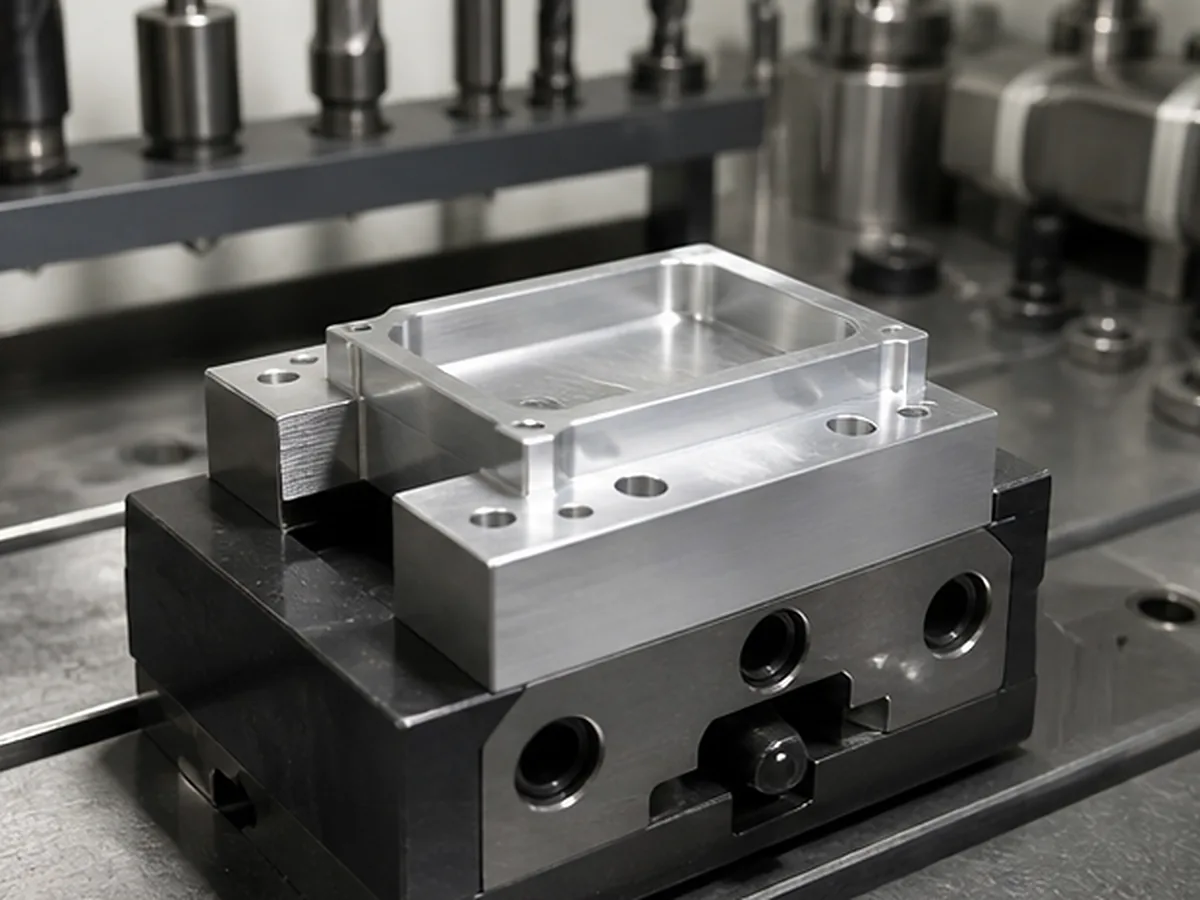
1. Close the Design Loop
- Incorporate approved prototype changes into the model and drawing.
- Give the model and drawing the same part number and revision.
- Remove obsolete notes and resolve conflicting dimensions.
- Mark functional characteristics, datums and finish condition.
- Confirm mating-part revisions and tolerance stack.
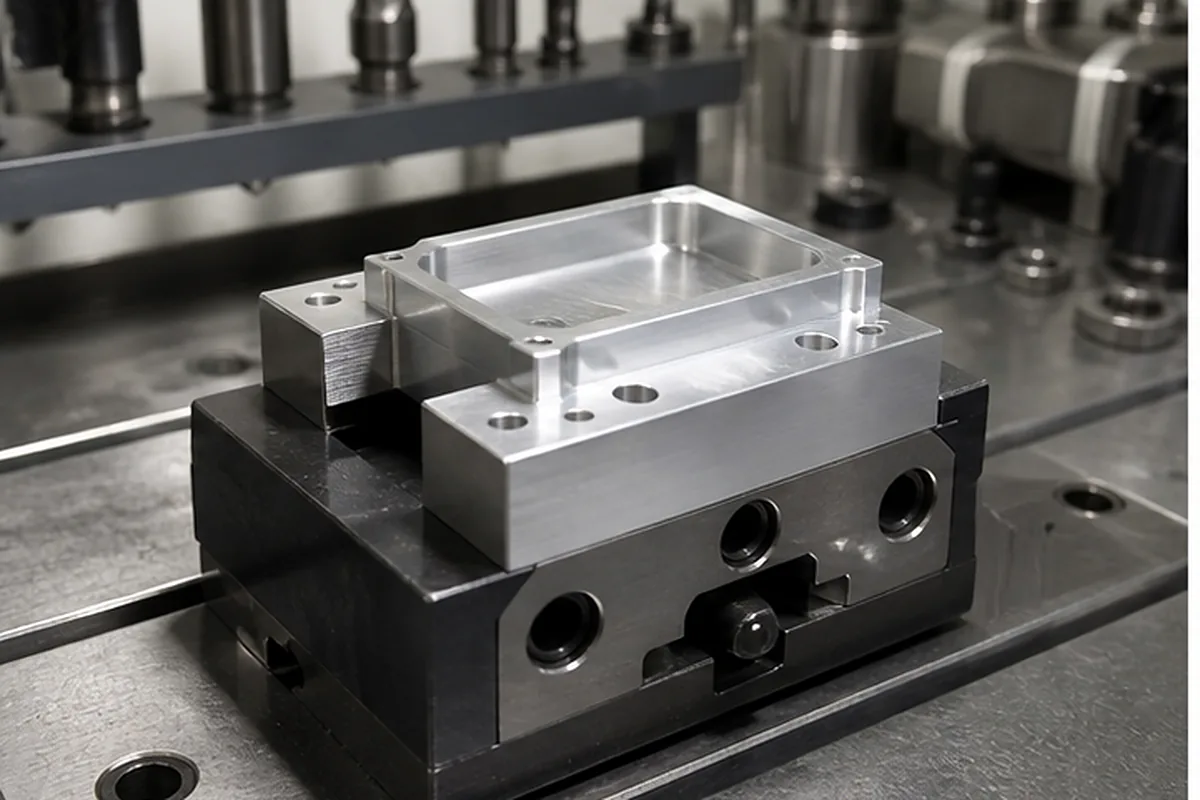
2. Separate Prototype Exceptions From Production Requirements
Record hand fitting, temporary materials, substitute finishes, waived reports and accepted deviations. Decide whether each exception becomes a drawing change or must disappear in production. Do not allow an approved prototype deviation to become an undocumented production standard.
3. Confirm the Repeatable Process
| Prototype question | Production question |
|---|---|
| Can one part be made? | Can each batch repeat the same controlled route? |
| Was universal workholding used? | Is a dedicated fixture justified and validated? |
| Was stock selected ad hoc? | Is alloy, temper, form and approved source defined? |
| Were dimensions manually adjusted? | Are offsets, tools and acceptance controls documented? |
| Was finish sourced once? | Is the special-process route and evidence controlled? |
4. Define Production Inspection
- FAI or re-FAI trigger and approval gate
- Critical-feature method and measurement access
- In-process checks and reaction limits
- Final sampling or 100% inspection requirements
- Material, finish, dimensional and conformity records
- Retention period and traceability level
5. Validate Quantity, Capacity and Supply
Provide batch size, order frequency, annual estimate and forecast flexibility. Confirm material minimums, special-process batch constraints, fixture lead time, inspection capacity and replenishment assumptions. A unit price based on one volume should not be applied automatically to a different mix.
6. Approve Packaging and Logistics
Define part separation, corrosion protection, clean handling, label data, pack quantity and export protection. Use a pilot shipment when cosmetic surfaces, long transit, humidity or customs handling could affect the part.
7. Establish Change and Nonconformance Control
- No material, source, process or revision change without defined approval.
- Deviations must identify quantity, feature, limit and expiration.
- Suspect product must be contained and traceable.
- Corrective action depth should match recurrence and risk.
- Revalidation triggers must be agreed before a change occurs.
Production Release Gate
Release production only when the controlled revision, approved sample or FAI, open-action list, inspection plan, document package, packaging standard, quantity and delivery terms are aligned. Assign an owner and due date to any remaining conditional approval.
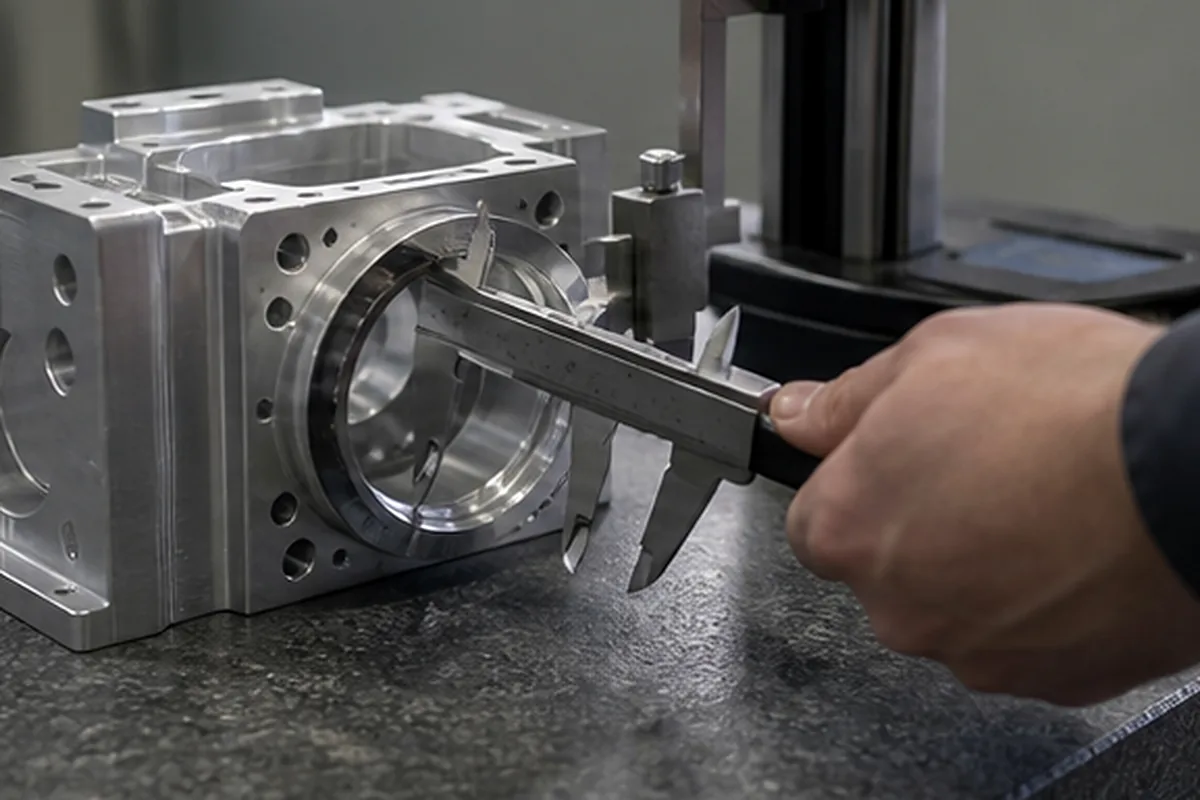
How We Reduce Sourcing and Manufacturing Risk for Prototype-to-Production CNC Machining Checklist
The purchasing issue behind Prototype-to-Production CNC Machining Checklist is that buyers can overpay or lose datum consistency when a process is chosen from a machine label instead of the part geometry; as a result, unnecessary setups or an unjustified high-end route can add cost without improving the functional result. Our response is to compares rotational versus prismatic geometry, feature access, datum relationships, workholding, batch size and measurement access before selecting milling, turning or a combined route. The objective is to protect assembly and validation schedules while reducing preventable scrap, rework and supplier-change risk.
For the Prototype-to-Production CNC Machining Checklist buying decision, before we confirm price or delivery, the buyer should send the 2D drawing and 3D model, overall size, material state, critical datums and tolerances, quantity, finish and inspection documents. If a requirement cannot yet be verified, we keep it as an open condition instead of presenting it as a guaranteed result.