

Cosmetic Acceptance
How to Specify Cosmetic Requirements for CNC Machined Parts
Specify cosmetic requirements by dividing surfaces into visibility zones, defining finish, color, texture and permitted defects, and setting the inspection distance, lighting and viewing time. Avoid “perfect,” “no marks” or “same as photo.” A measurable appearance standard reduces inconsistent quotations and disputes without forcing hidden surfaces to decorative quality.
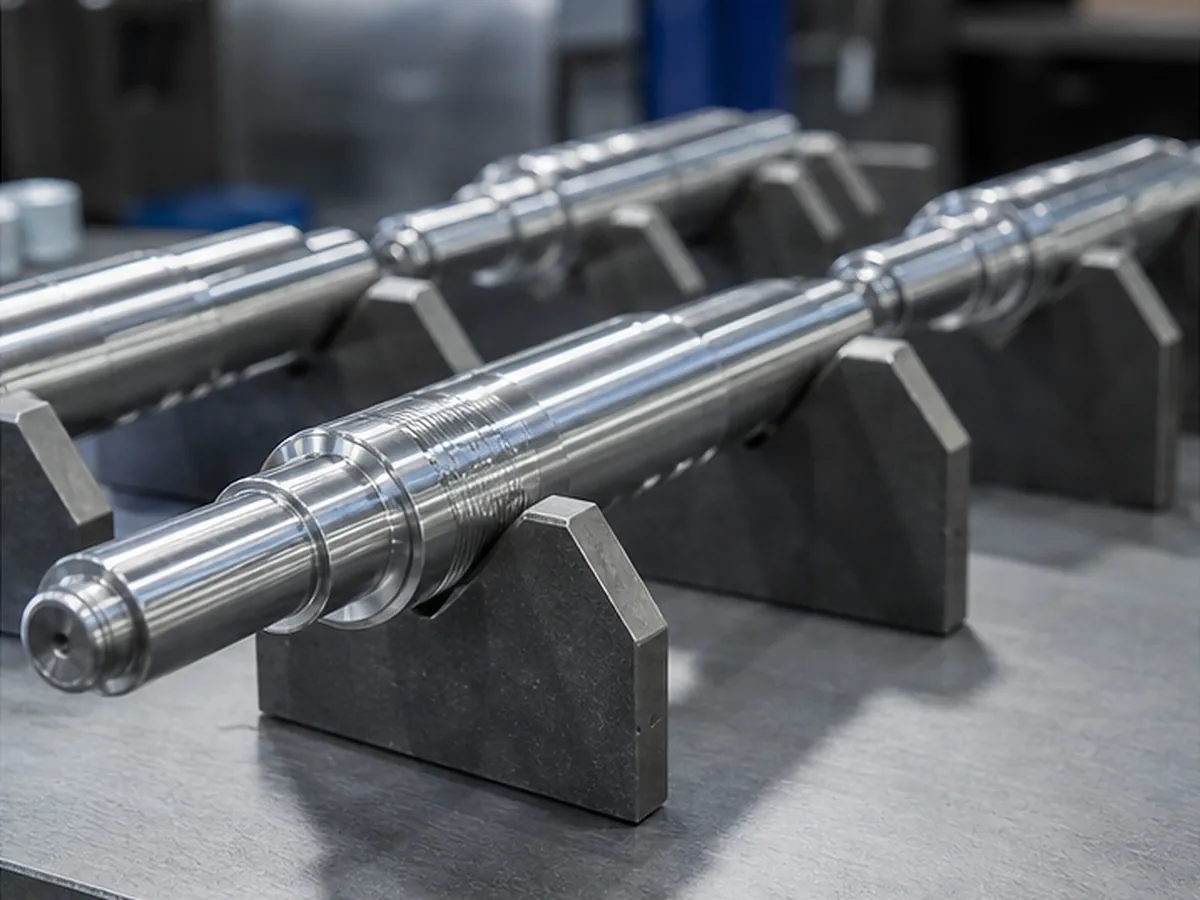
Classify Surfaces by Their Assembled Use
| Zone | Typical role | Control approach |
|---|---|---|
| A surface | Primary visible/customer-facing face | Tightest approved appearance limits |
| B surface | Visible during normal handling or at angles | Moderate limits appropriate to use |
| C surface | Hidden after assembly | Functional quality; general handling limits |
| Functional zone | Fit, seal, slide, ground or thermal contact | Dimensional/roughness/electrical criteria override cosmetics |
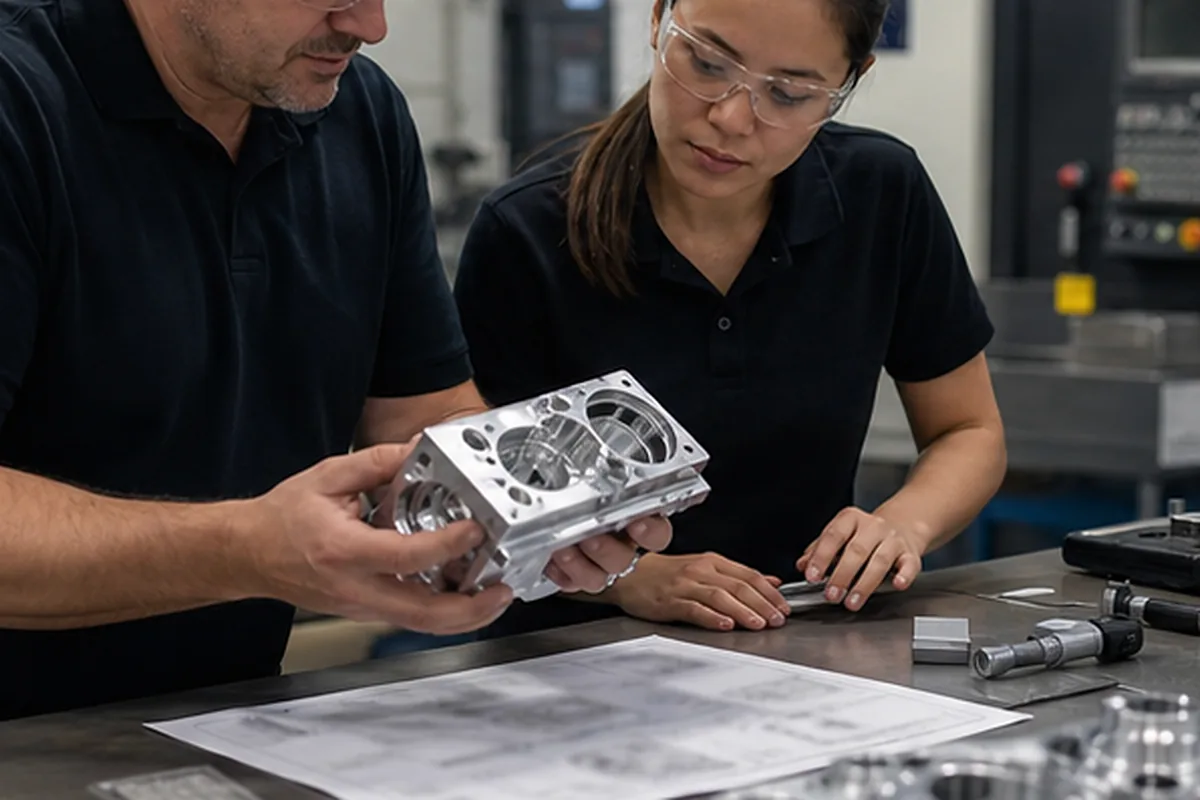
Define the Complete Appearance System
- Base material, alloy and stock form
- Machined roughness or preparation process
- Finish specification, type and thickness
- Color reference, gloss and texture
- Grain or brushing direction
- Rack/contact and masking locations
- Permitted scratches, dents, stains, pits and shade variation
- Protective packaging and handling method
Set a Reproducible Inspection Condition
State viewing distance, viewing time, light source/color temperature, angle and whether magnification is allowed. Define whether parts are judged individually, against an approved master or as a matched assembly set. A defect invisible under the agreed condition should not become a rejection under arbitrary magnification unless function requires it.
Use Physical Limit Samples Correctly
Approve a known-good master and, where possible, boundary samples showing the maximum acceptable defect or color variation. Identify material, finish route, date, revision, storage and approval authority. Replace damaged or aged samples through controlled approval.
Separate Cosmetic and Dimensional Requirements
Polishing, blasting and coating can change edge break, flatness, roughness and fit. Mark functional areas that must not be blended for appearance. Cosmetic rework requires dimensional review when material or coating is removed.
Weak vs Quotable Requirement
Weak: “Black anodized, premium finish, no scratches.” Specify the governing process type or class, thickness or dimensional effect, masking and acceptance criteria for the actual project.
Quotable: “Type II black anodize to the stated specification. A surfaces are marked on the drawing; compare with approved limit sample under the defined light at the stated distance. Mask bearing bore, grounding pad and threads. Rack contact is permitted only in the marked C zone. Individually separate A surfaces in packaging.”
Buyer Release Checklist
- Mark zones on the drawing or controlled visual standard.
- Approve substrate preparation and finish together.
- Define defects and viewing method.
- Identify functional exceptions and masking.
- Agree sample approval and batch-matching rules.
- Include packaging and rework limits in the RFQ.
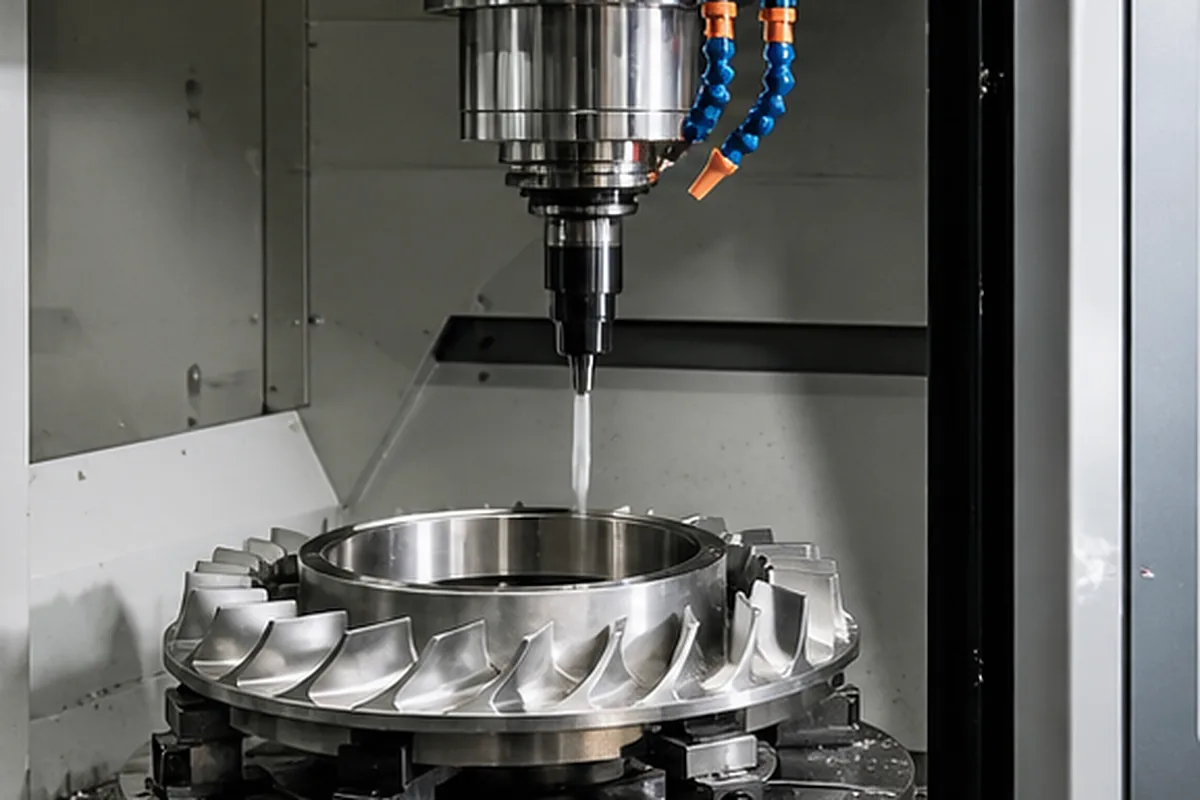
What Our Project Review Resolves Before Quoting How to Specify Cosmetic Requirements for CNC Machined Parts
A useful supplier solution for How to Specify Cosmetic Requirements for CNC Machined Parts starts when the buyer needs a supplier response tied to the actual part rather than a generic capability statement. Because a broad promise can leave geometry, material, quality, cost and delivery assumptions unresolved, our project review turns the drawing and purchase requirement into documented process, inspection and approval questions before price or production is confirmed. That approach helps the buyer avoid paying for the wrong process and lowers the chance of discovering a critical issue after machining or finishing.
For the How to Specify Cosmetic Requirements for CNC Machined Parts buying decision, our review needs the controlled drawing and model, material, quantities, critical requirements, finish, quality documents, target date, destination and confidentiality needs. We record assumptions, approval points and evidence requirements before the quotation becomes the production baseline.