

Edge Quality
How to Prevent and Control Burrs on CNC Machined Parts
Burrs form when material plastically deforms instead of separating cleanly at an edge. Control them through feature orientation, supported exits, suitable tools and cutting conditions, planned edge finishing and measurable acceptance criteria. “No burrs” is not enough by itself; the drawing should distinguish safe handling, functional sharp edges and specified chamfers or radii.
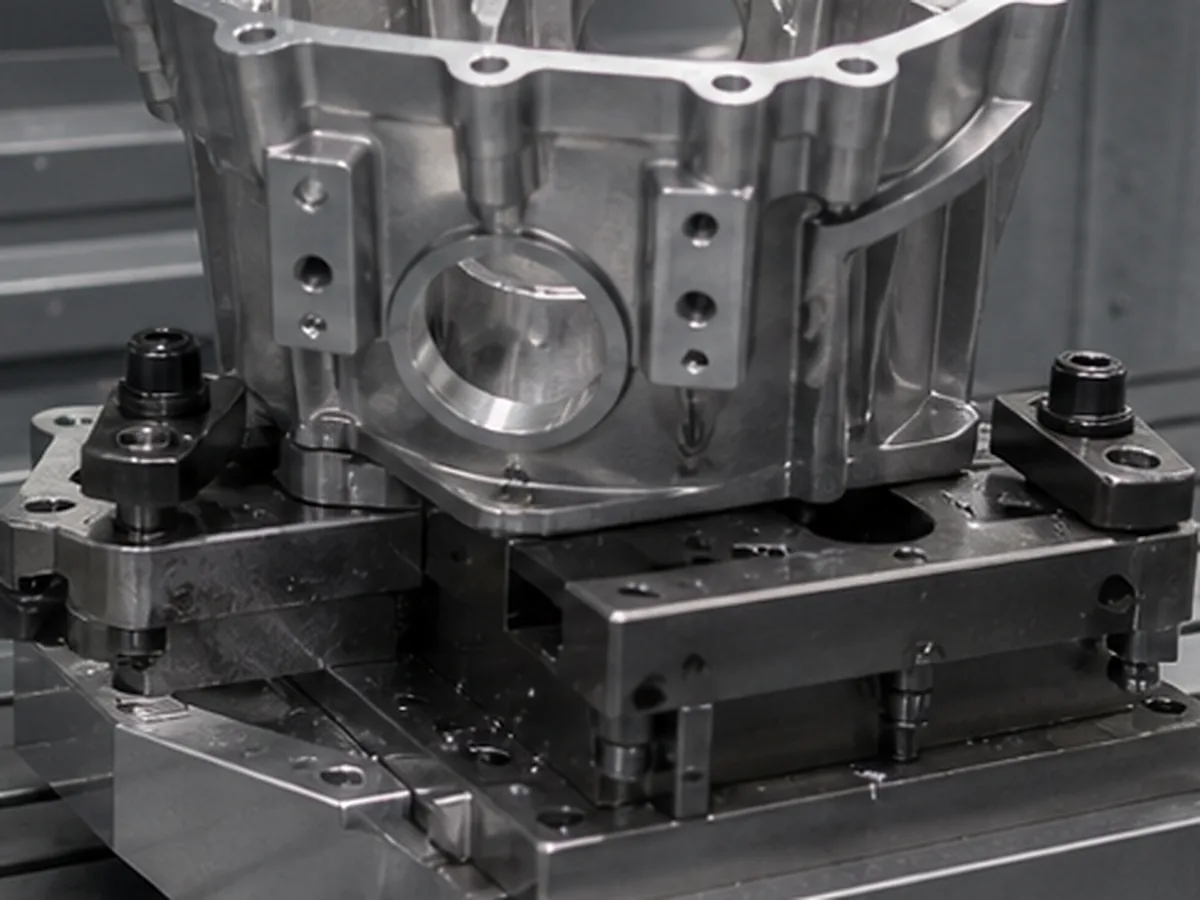
Where Burrs Commonly Appear
| Location | Why it is vulnerable | Control to consider |
|---|---|---|
| Drill exit | Material loses support as the tool breaks through | Backup support, entry from opposite side or deburring access |
| Milled edge exit | Cutting direction pushes material outward | Toolpath direction and finishing pass |
| Cross holes | Internal intersection is difficult to reach | Process sequence and dedicated internal deburring |
| Threads | Entrance and exit carry partial sharp forms | Controlled chamfer and thread cleanup |
| Soft/ductile material | Material smears rather than fractures | Sharp tooling and controlled engagement |
| Thin edge | Low support allows rollover | Temporary support or geometry change |
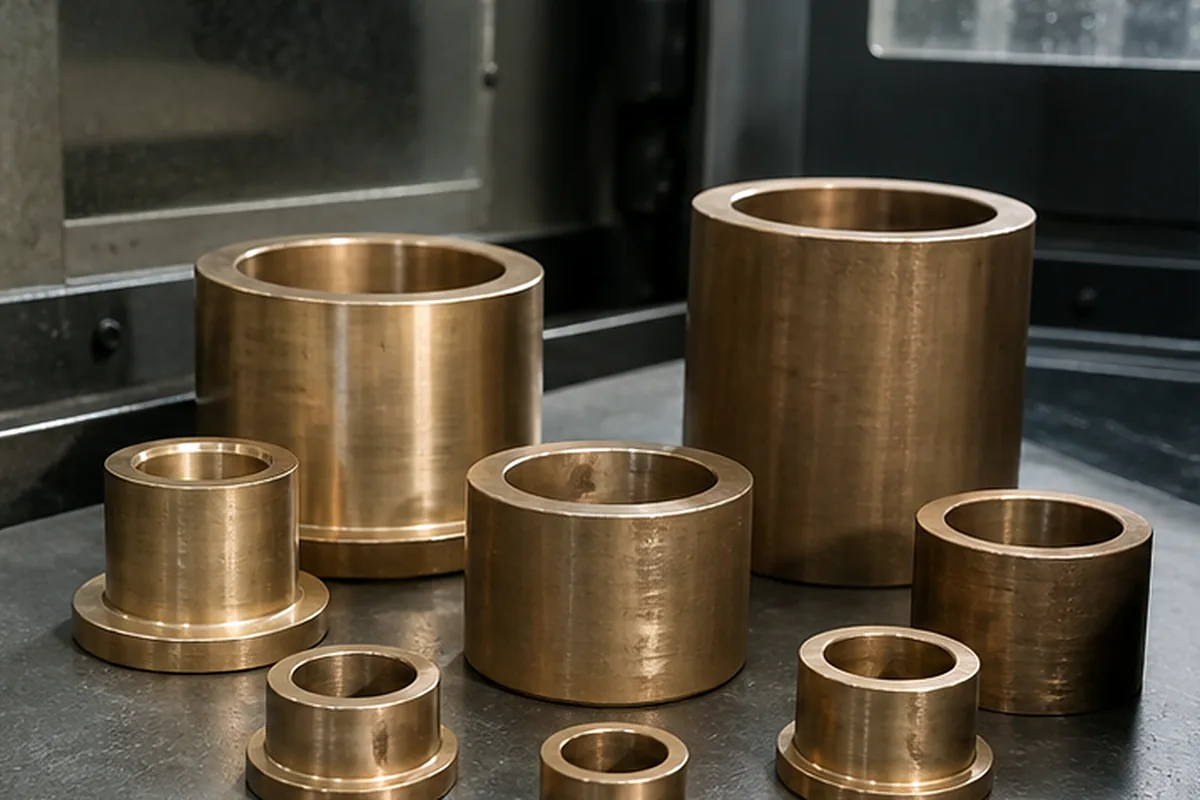
Design for Predictable Edge Control
- Specify a default edge break with a measurable range.
- Call out sealing, locating or cutting edges that must remain sharp.
- Provide tool access to internal intersections.
- Avoid tiny inaccessible cross holes where loose burrs create system risk.
- Use a defined chamfer where assembly insertion matters.
- Mark cosmetic edges separately from functional edges.
Control Burr Formation During Machining
Use sharp, appropriate tooling; manage tool wear; select feed and cutting direction based on material; support exit edges; and sequence operations so later cuts can remove earlier burrs. Deburring should be part of the planned route, not an uncontrolled final cleanup.
Choose the Deburring Method From the Feature
| Method | Useful for | Main risk |
|---|---|---|
| Manual edge tools | Accessible external edges | Operator variation and over-breaking |
| Brush/abrasive | General edge cleanup | Surface change or embedded media |
| Special cross-hole tool | Internal intersections | Access and feature-size limits |
| Thermal/electrochemical process | Selected difficult networks | Material/process compatibility and outside processing |
| Machined chamfer | Controlled functional edge | Added cycle and tool access |
Inspect the Function, Not Only the Appearance
Define whether the concern is loose particles, sharpness, assembly interference, fluid flow, electrical insulation or cosmetic consistency. Visual and tactile inspection may be adequate for general handling edges; critical internal intersections may require magnification, borescope, replica or another agreed method.
When Rework Becomes Risky
Repeated manual deburring can enlarge holes, shorten threads, round datum edges or damage finish. Stop and seek buyer disposition when removing the burr would change a controlled dimension or functional edge. Record any approved repair method for repeat orders.
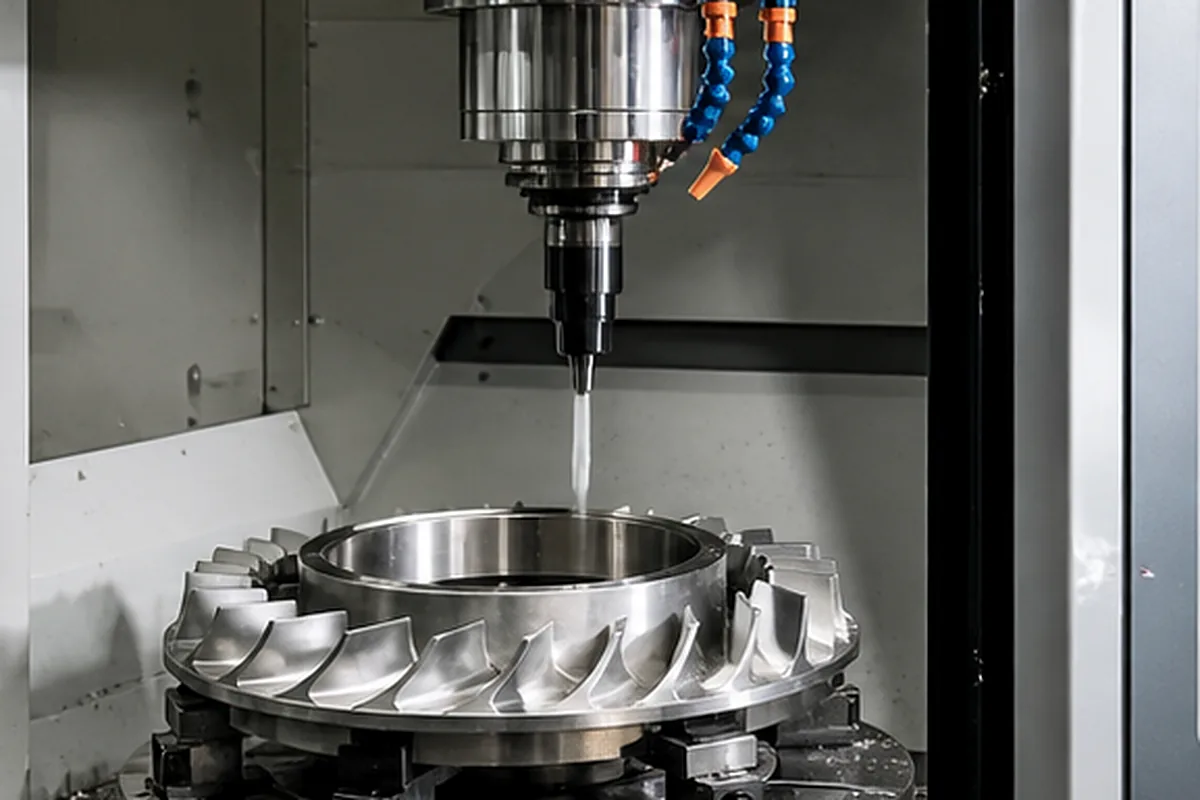
From How to Prevent and Control Burrs on CNC Machined Parts Requirements to a Controlled Manufacturing Plan
The purchasing issue behind How to Prevent and Control Burrs on CNC Machined Parts is that the buyer needs a supplier response tied to the actual part rather than a generic capability statement; as a result, a broad promise can leave geometry, material, quality, cost and delivery assumptions unresolved. Our response is to turns the drawing and purchase requirement into documented process, inspection and approval questions before price or production is confirmed. The objective is to protect assembly and validation schedules while reducing preventable scrap, rework and supplier-change risk.
For the How to Prevent and Control Burrs on CNC Machined Parts buying decision, before we confirm price or delivery, the buyer should send the controlled drawing and model, material, quantities, critical requirements, finish, quality documents, target date, destination and confidentiality needs. If a requirement cannot yet be verified, we keep it as an open condition instead of presenting it as a guaranteed result.