

Workholding Decisions
How CNC Fixtures Affect Cost, Quality and Lead Time
CNC fixtures add design, material, machining and proving time, but they can reduce repeat setup, improve access, control distortion and make inspection relationships more consistent. A dedicated fixture is justified when its batch savings and risk reduction exceed its cost over the expected design life. For prototypes or unstable revisions, adaptable workholding may be better.
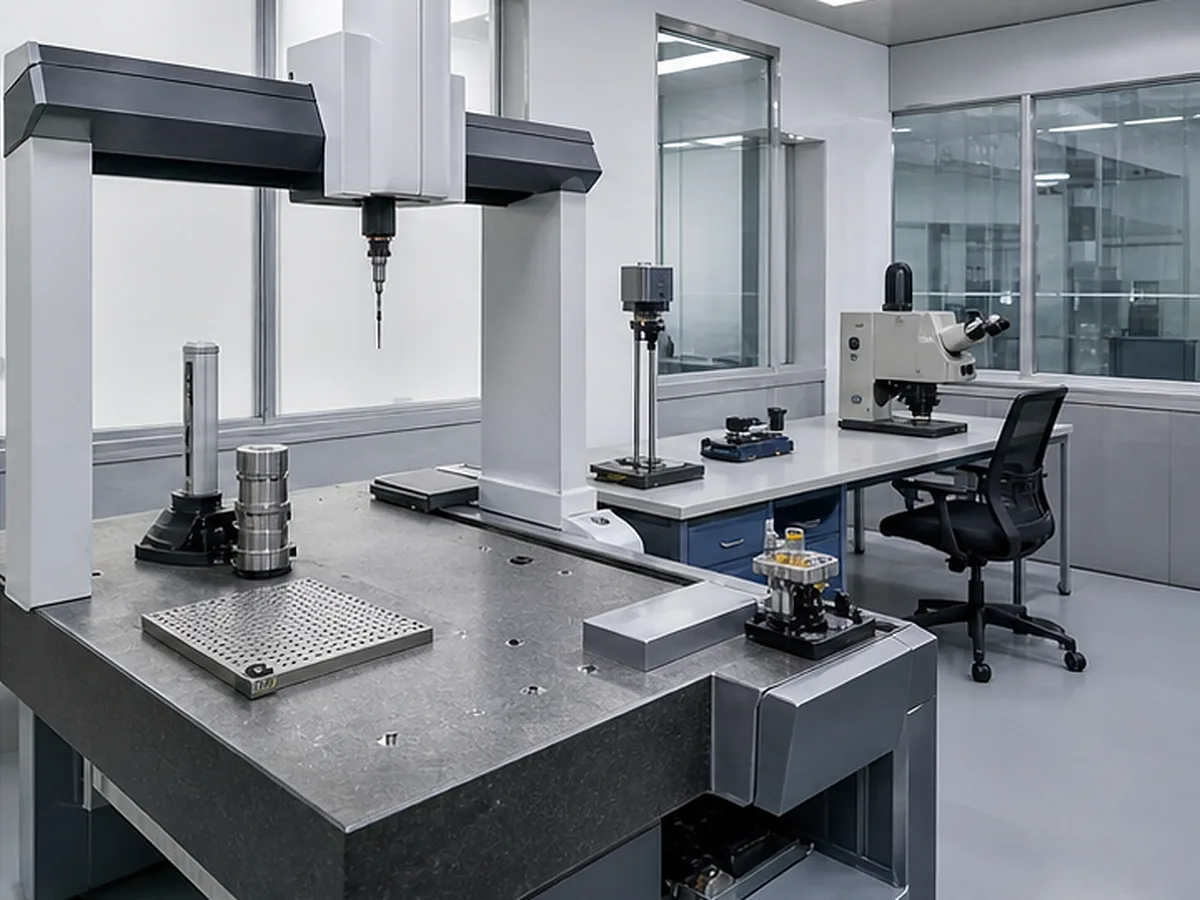
What a Fixture Must Do
- Locate the part from a defined datum scheme
- Resist cutting forces without movement
- Clamp without unacceptable distortion
- Provide tool, probe and chip-clearance access
- Repeat loading at the required tolerance
- Protect finished or cosmetic surfaces
- Support safe, efficient operation
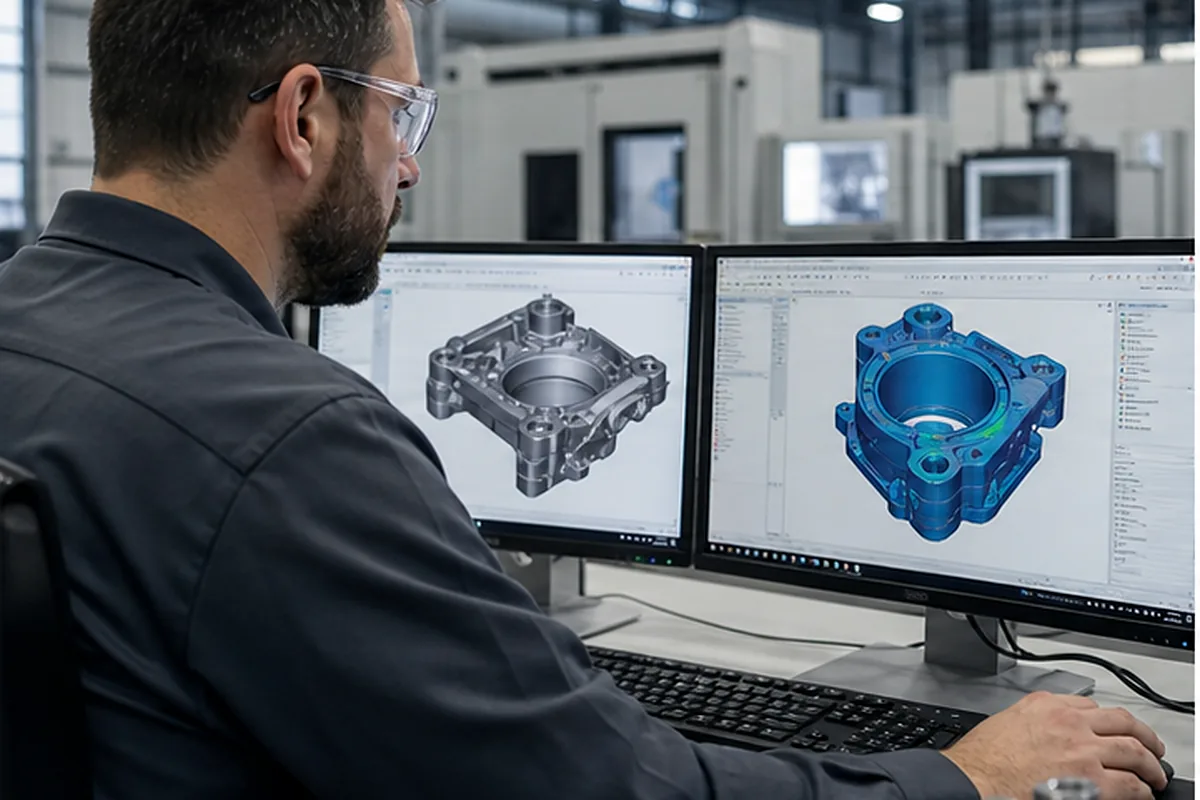
Fixture Choices by Project Stage
| Approach | Best fit | Tradeoff |
|---|---|---|
| Standard vise/chuck | Simple geometry and prototypes | Limited access or repeated re-indication |
| Soft jaws | Low-to-medium batches | Setup-specific preparation and storage |
| Modular fixture | Changing families or moderate volume | May not optimize every part |
| Dedicated fixture | Stable repeat production | Upfront cost and revision sensitivity |
| Vacuum/adhesive/special holding | Selected thin or hard-to-clamp parts | Process validation and holding limits |
How Fixtures Change the Quote
A fixture may be charged separately, amortized across the order or treated as supplier-owned production tooling. Confirm design responsibility, ownership, storage, maintenance, expected life, replacement, modification and return rights. A low unit price tied to undisclosed tooling conditions can create future switching cost.
How Fixtures Change Lead Time
Dedicated workholding can delay the first production release because it must be designed, built, inspected and proved. After approval, it may shorten repeat setups and stabilize batch output. Quote first-order and repeat-order lead times separately so the initial tooling period is visible.
Quality Risks a Fixture Can Create
- Over-clamping thin walls
- Locating on unstable or unfinished surfaces
- Chip buildup under datum contacts
- Wear at pins, jaws or supports
- Blocked measurement or cutting access
- Incorrect loading orientation
- Fixture revision not matching part revision
Fixture Investment Decision
Review: fixture design/build cost, per-batch setup reduction, cycle or handling saving, expected quantity, design stability, quality-risk reduction and storage/maintenance cost. Do not approve a dedicated fixture from annual forecast alone when the product is still changing.
Questions Buyers Should Ask
- Is a fixture required to meet tolerance or only to reduce cost?
- Is the charge separate or amortized?
- Who owns, stores and maintains it?
- What changes would make it unusable?
- How will repeatability and wear be verified?
- What happens if production transfers?
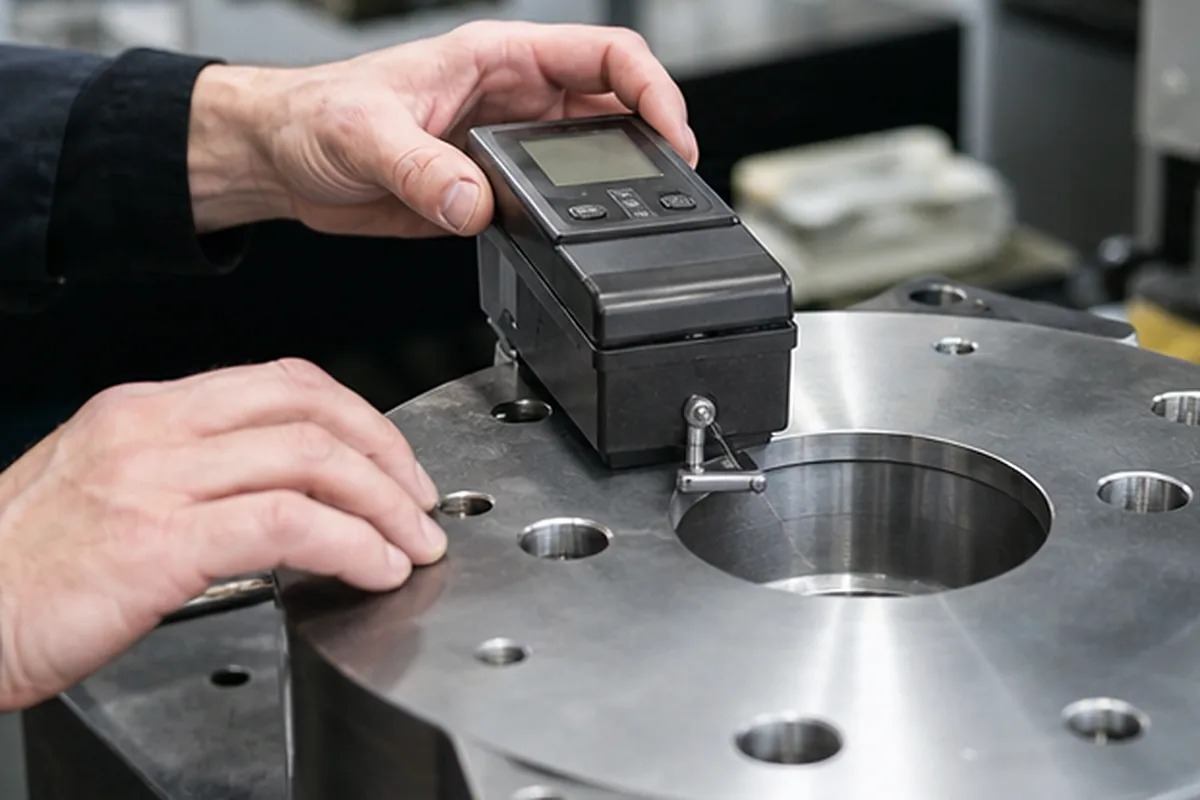
From How CNC Fixtures Affect Cost, Quality and Lead Time Requirements to a Controlled Manufacturing Plan
A useful supplier solution for How CNC Fixtures Affect Cost, Quality and Lead Time starts when buyers need evidence that the correct revision, material and critical dimensions were accepted—not only a list of measuring equipment. Because missing methods, sampling rules or lot identity can make a report unusable during assembly or supplier approval, our project review defines the first-piece, in-process and final checks by feature risk, then aligns equipment access, frequency, actual-value records and nonconformance reaction. That approach helps the buyer avoid paying for the wrong process and lowers the chance of discovering a critical issue after machining or finishing.
For the How CNC Fixtures Affect Cost, Quality and Lead Time buying decision, our review needs the ballooned drawing, critical-characteristic list, lot and revision, sampling or full-inspection scope, report format and certificate requirements. We record assumptions, approval points and evidence requirements before the quotation becomes the production baseline.