

Cosmetic Preparation
Should Aluminum Parts Be Bead Blasted Before Anodizing?
Bead blasting before anodizing can create a more uniform matte appearance and reduce the visibility of light machining marks, but it also changes texture, rounds sharp details, affects cosmetic consistency and may alter critical surfaces. Use it only with defined media, intensity, cosmetic zones, masking and an approved sample.
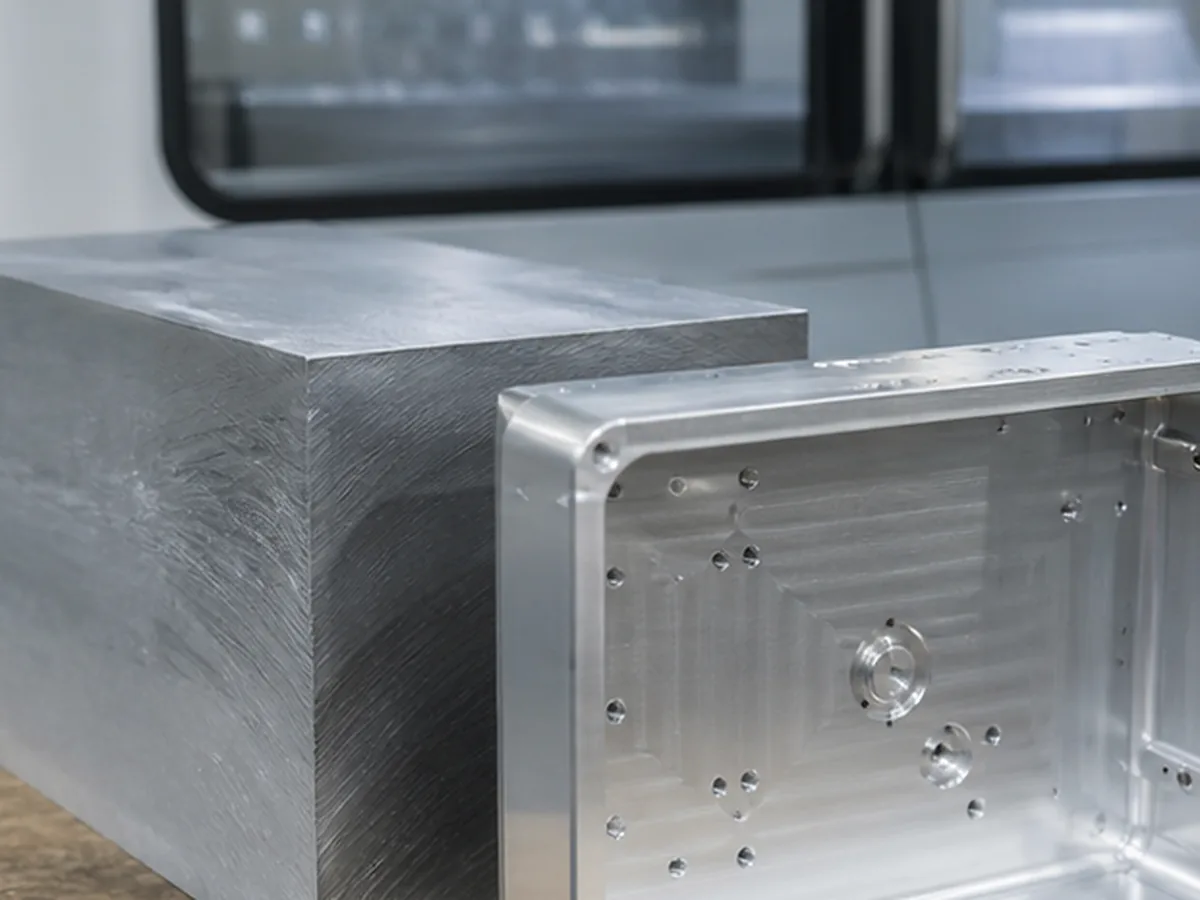
What Bead Blasting Can and Cannot Do
| Can help with | Cannot reliably correct |
|---|---|
| Creating a matte, less reflective texture | Deep scratches, dents or gouges |
| Reducing visibility of light toolpath variation | Dimensional or flatness failures |
| Unifying selected cosmetic faces | Alloy or material-lot color variation |
| Preparing a controlled visual surface | Poor masking or rack-mark placement |
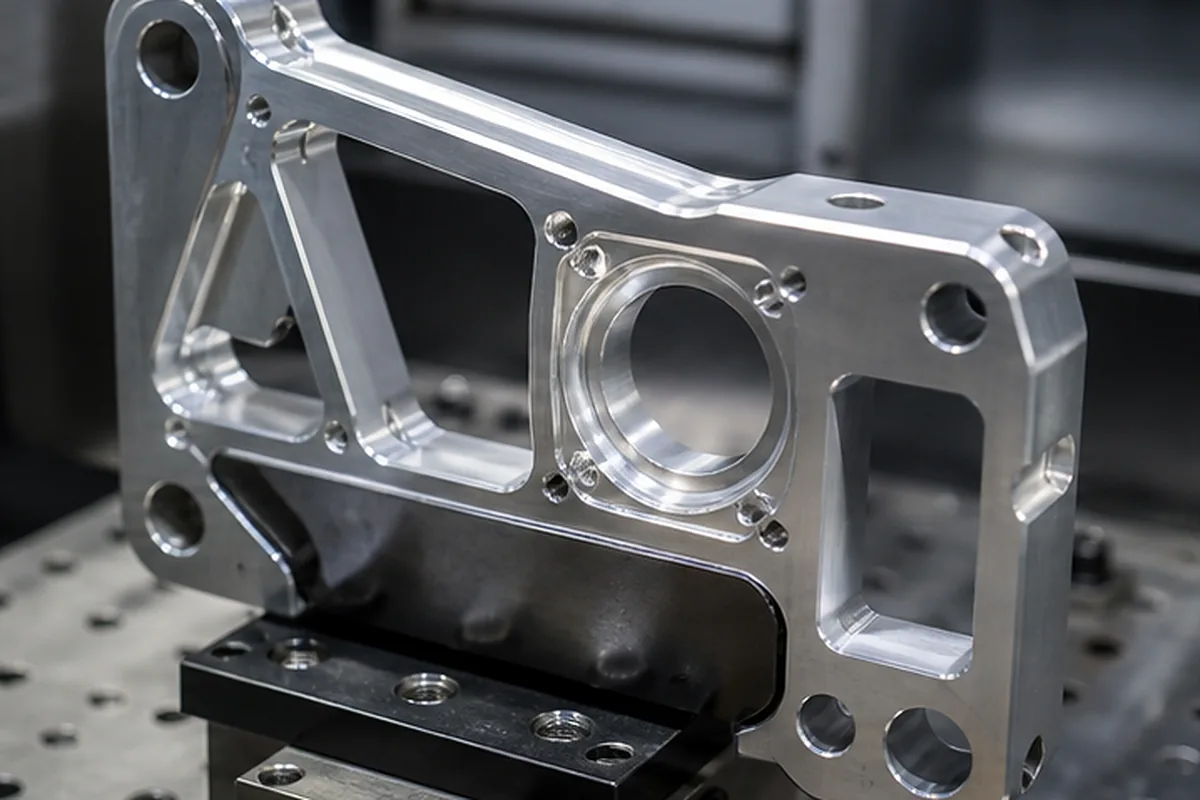
Variables That Change the Result
- Media material, size, age and contamination
- Pressure, angle, distance and exposure time
- Manual versus automated coverage
- Original machined roughness and toolpath
- Alloy, temper and stock form
- Cleaning and handling before anodizing
- Anodizing type, thickness, dye and seal
Surfaces That May Need Protection
Mask precision fits, sealing lands, threaded or locating features, optical interfaces, sharp functional edges and surfaces with controlled roughness unless blasting is specifically approved. Blasting a datum or bore can make measurement and fit less predictable.
Define Cosmetic Acceptance Before Production
- Mark visible A, secondary B and hidden C zones.
- Specify blast media/process or approve a physical master.
- Define anodizing type, color and thickness.
- Mark acceptable rack and masking locations.
- Set viewing distance, lighting and defect limits.
- Approve the complete blast-plus-anodize route, not blasting alone.
Batch Consistency Requires Process Discipline
Matching parts should use controlled alloy/lot, machining preparation, blast parameters and anodizing batch when practical. Re-blasting a rejected finished part is not equivalent to first-pass processing and requires dimensional and surface review.
When to Skip Bead Blasting
Skip it when the as-machined texture is acceptable, the part has sensitive fits or sharp details, contamination controls cannot be met, or a functional roughness must remain unchanged. A finish step should solve a stated requirement, not be added automatically.
How We Reduce Sourcing and Manufacturing Risk for Should Aluminum Parts Be Bead Blasted Before Anodizing?
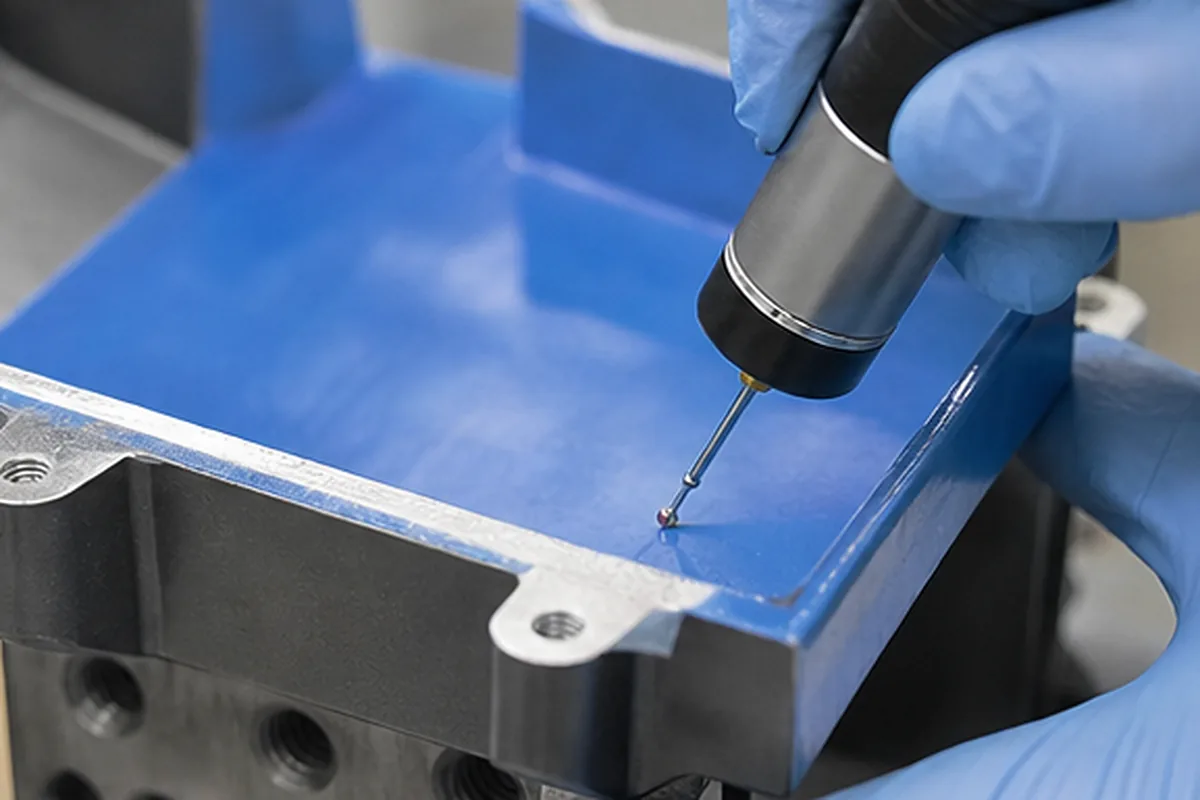
When a finish can change dimensions, hide burrs, create color variation or damage cosmetic and sealing surfaces, late finish decisions can turn acceptable machined parts into rejected final parts. For Should Aluminum Parts Be Bead Blasted Before Anodizing?, our engineering and quotation review coordinates machining allowance, pretreatment, masking, rack-contact location, thread and fit protection, handling and post-process inspection as one route. This helps reduce rework, approval delays and avoidable purchasing cost without turning a screening assumption into a capability guarantee.
For the Should Aluminum Parts Be Bead Blasted Before Anodizing? buying decision, we confirm the route only after reviewing base material, process type/class, thickness, color or texture sample, masks, critical post-finish dimensions, tests and packaging. Any unresolved item is listed as an RFQ clarification so the buyer can compare scope, evidence, price and lead time on the same basis.