

Aluminum Finish Selection
Anodizing vs Powder Coating for Aluminum Parts
Choose anodizing when you need an aluminum-integrated surface, relatively limited dimensional buildup, metallic appearance or selected wear/corrosion performance. Choose powder coating when you need an opaque decorative layer, broad color/texture options or thicker barrier coverage. The correct choice depends on environment, fit, electrical contact, abrasion, cosmetic standard, alloy and repair expectations.
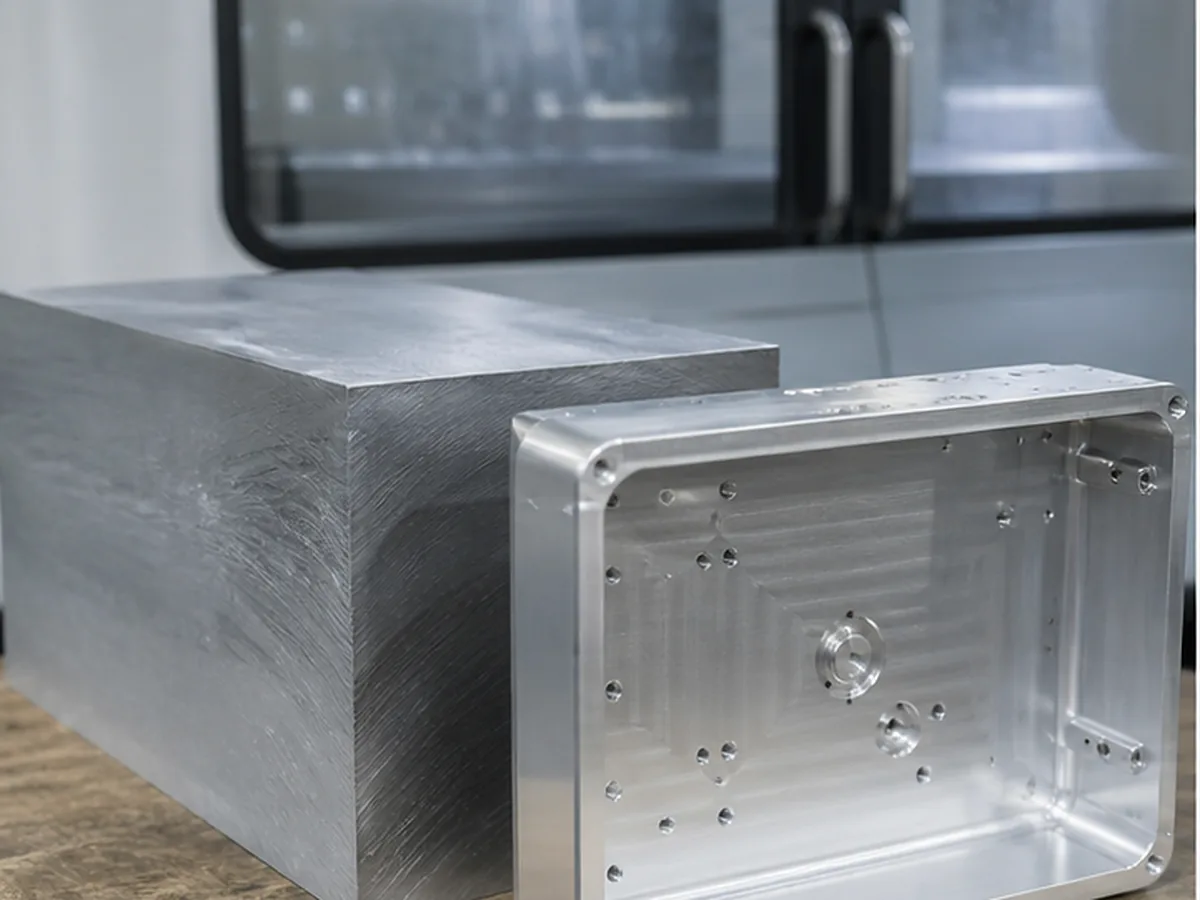
Direct Comparison
| Decision factor | Anodizing | Powder coating |
|---|---|---|
| Surface mechanism | Converts the aluminum surface | Applies an organic coating layer |
| Appearance | Can retain metallic character; substrate variation remains visible | Opaque color and texture can hide some substrate appearance |
| Dimensional effect | Film grows partly into and outward from substrate | Layer adds to exposed surfaces and edges |
| Color matching | Influenced by alloy, lot and preparation | Broad options; gloss/texture still require control |
| Electrical contact | Generally insulating unless zones are left untreated | Insulating barrier unless masked |
| Repair | Local cosmetic matching is difficult | Touch-up may be possible but can remain visible |
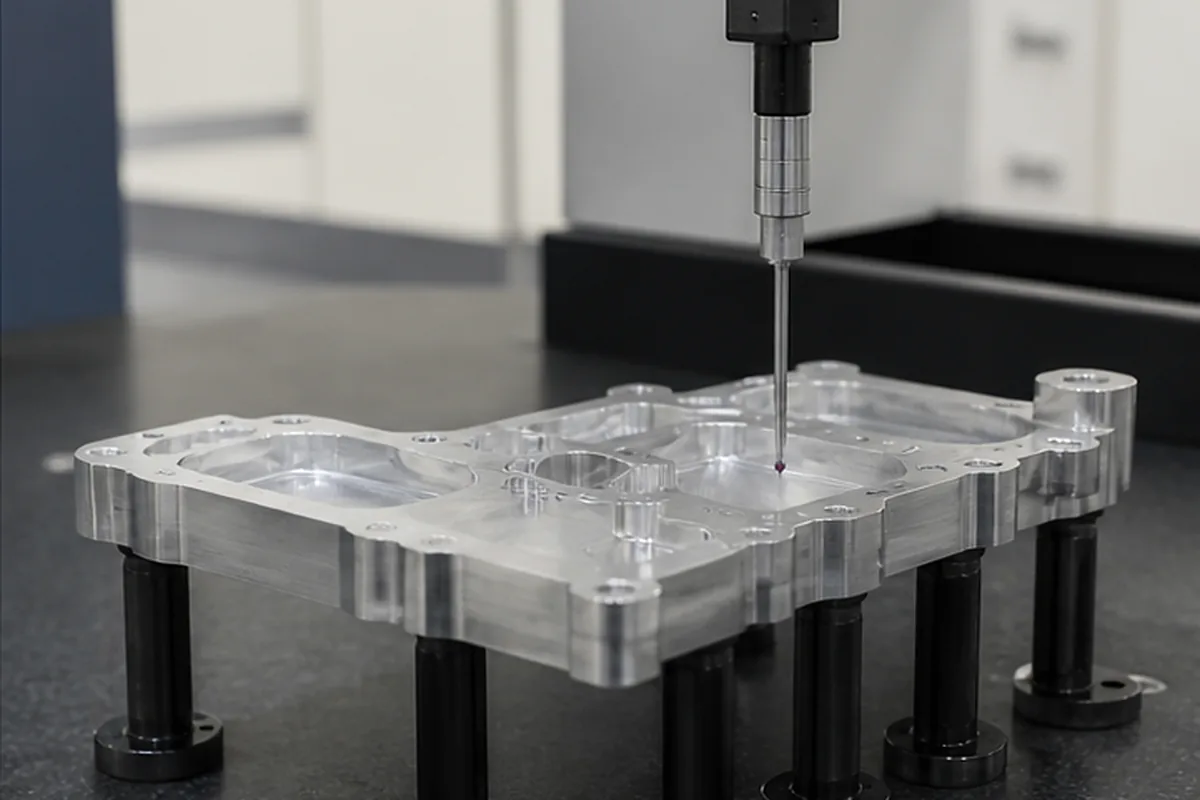
Choose From the Functional Environment
- Wear and sliding: define contact load, counterface and lubrication; finish name alone does not guarantee life.
- Outdoor/corrosive use: identify contaminants, UV, temperature and damage exposure.
- Cosmetics: define visible zones, color, gloss/texture and viewing method.
- Thermal interfaces: mark contact surfaces that must remain controlled.
- Grounding: specify conductive or masked areas and acceptance testing.
Account for Fits, Threads and Masking
Bearing bores, precision fits, threads, sealing faces and grounding pads may require masking or machining compensation. Powder coating generally creates more obvious edge and recess buildup; anodizing behavior depends on process and alloy. Put final post-finish dimensions and masked zones on the drawing.
Do Not Choose by Color Alone
Black anodizing and black powder coating can look different under the same light and behave differently after scratching. Request physical limit samples when appearance matters. A digital image is not a controlled color master.
Five-Step Selection Process
- Define corrosion, wear, electrical and cosmetic functions.
- Confirm aluminum alloy and stock condition.
- Identify critical fits and coating-free zones.
- Compare available specifications and qualified processors.
- Approve a representative finished sample and inspection method.
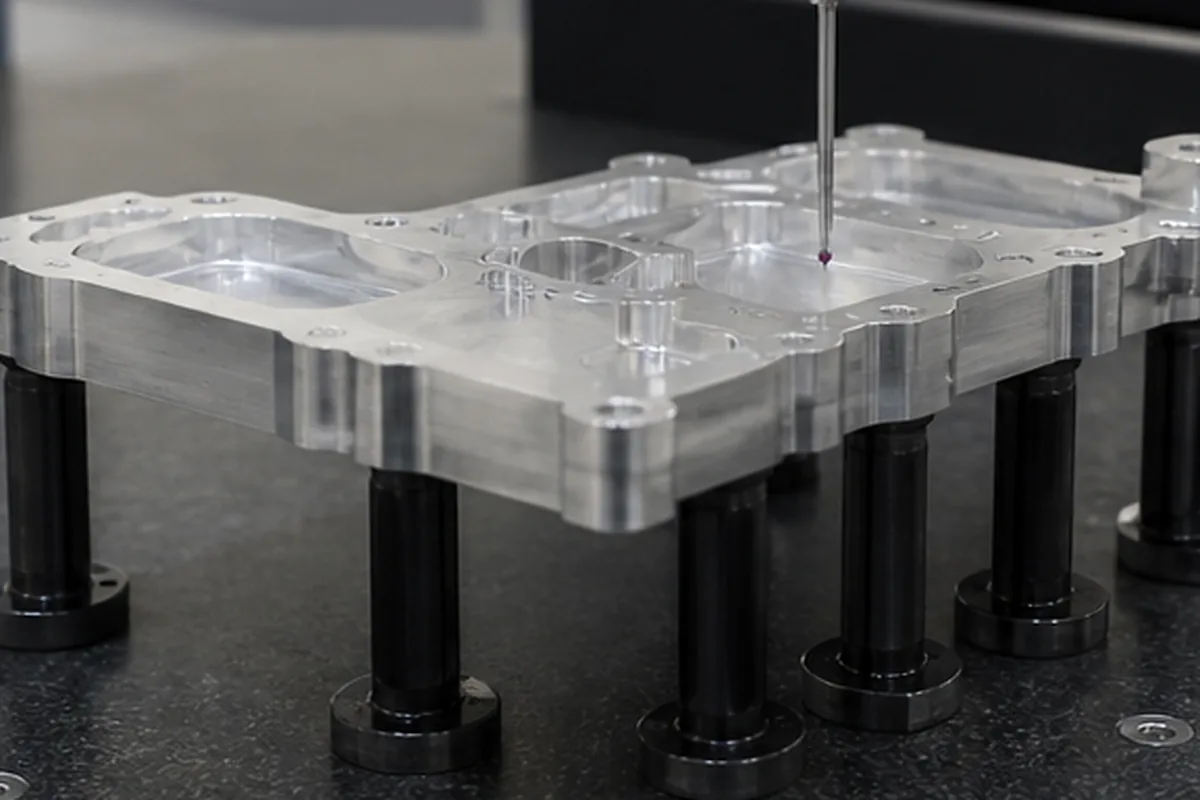
Information Needed for Quotation
Provide alloy, finish standard/type, color, thickness or performance requirement, surface preparation, masking drawing, cosmetic zones, tests, quantity and packaging. Formexi’s finishing route and availability remain subject to project review.