

Inspection Planning
100% Inspection vs Sampling for CNC Machined Parts
Use 100% inspection when characteristic risk, process history or contractual requirements justify checking every part; use sampling when a stable process and acceptable risk make it defensible. Inspection does not create quality, and 100% inspection can still miss defects when the method or reaction plan is weak.
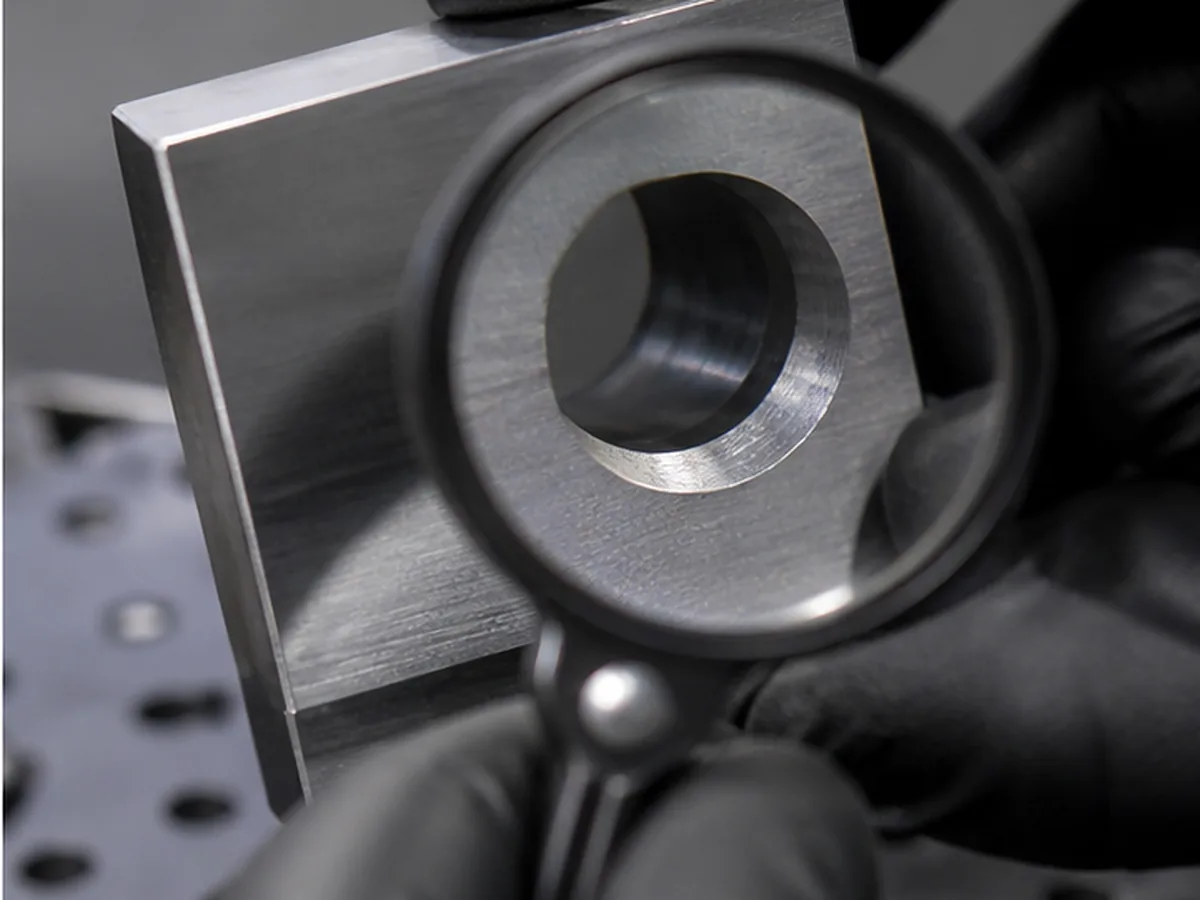
Recommended Engineering Method
- Classify characteristic severity and detectability.
- Review process capability and previous nonconformance history.
- Define lot, sample method, acceptance number and reaction plan.
- Use 100% checks selectively for critical or unstable characteristics.
- Reassess sampling after changes or adverse trends.
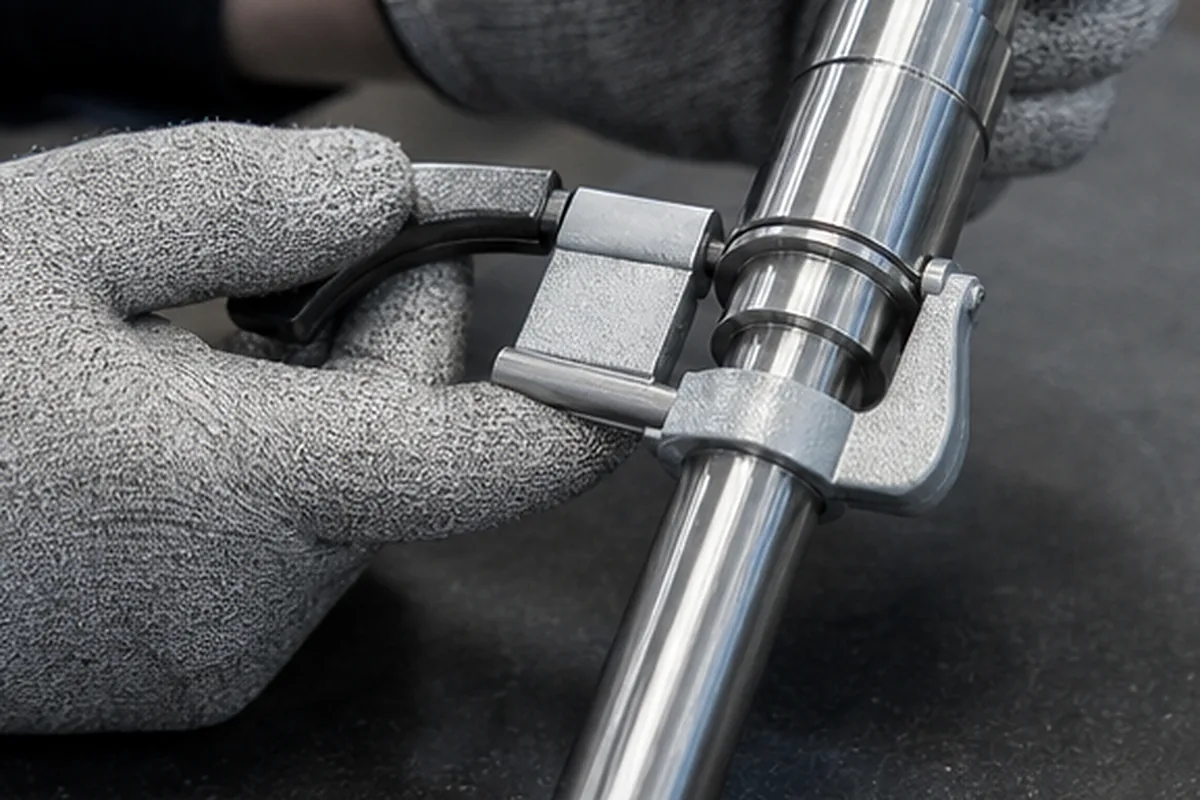
Common Specification and Inspection Errors
- Calling an undefined spot check ‘sampling’
- Inspecting every part with an incapable gauge
- No containment plan after one sample failure
- Assuming a certificate replaces dimensional evidence
Questions the Buyer and Supplier Must Resolve
- What is the consequence of escape?
- Is the process demonstrably stable?
- Which standard or customer plan governs sampling?
- What happens when the sample fails?
Required Evidence
Use the controlled drawing, actual-value results, stated equipment/method, datum or support setup, inspection condition and approval record. The appropriate method and achievable uncertainty remain feature- and project-specific.
Acceptance Boundary
Formexi can review manufacturability and inspection feasibility, but the buyer retains design authority for functional requirements and deviations. Any GD&T interpretation must follow the standard edition stated on the drawing.
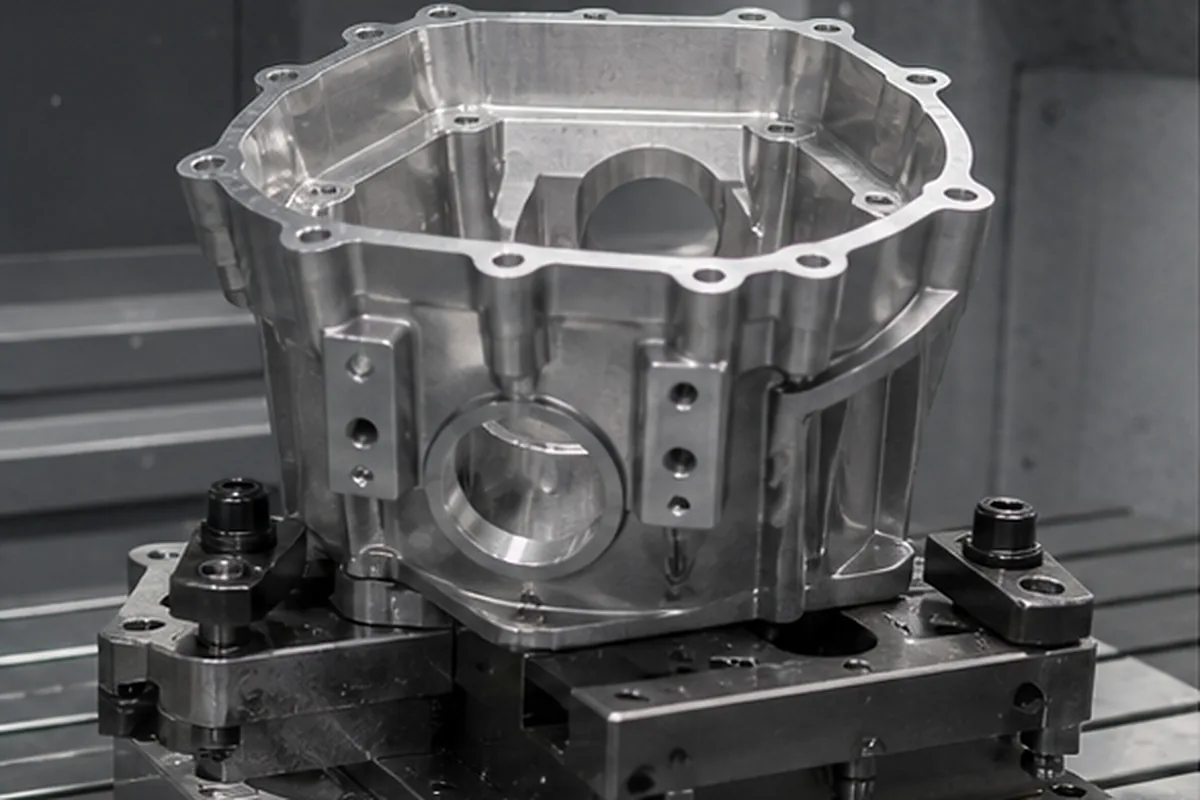
From 100% Inspection vs Sampling for CNC Machined Parts Requirements to a Controlled Manufacturing Plan
A useful supplier solution for 100% Inspection vs Sampling for CNC Machined Parts starts when buyers need evidence that the correct revision, material and critical dimensions were accepted—not only a list of measuring equipment. Because missing methods, sampling rules or lot identity can make a report unusable during assembly or supplier approval, our project review defines the first-piece, in-process and final checks by feature risk, then aligns equipment access, frequency, actual-value records and nonconformance reaction. That approach helps the buyer avoid paying for the wrong process and lowers the chance of discovering a critical issue after machining or finishing.
For the 100% Inspection vs Sampling for CNC Machined Parts buying decision, our review needs the ballooned drawing, critical-characteristic list, lot and revision, sampling or full-inspection scope, report format and certificate requirements. We record assumptions, approval points and evidence requirements before the quotation becomes the production baseline.