

Project Stage
Prototype CNC Machining vs Production CNC Machining
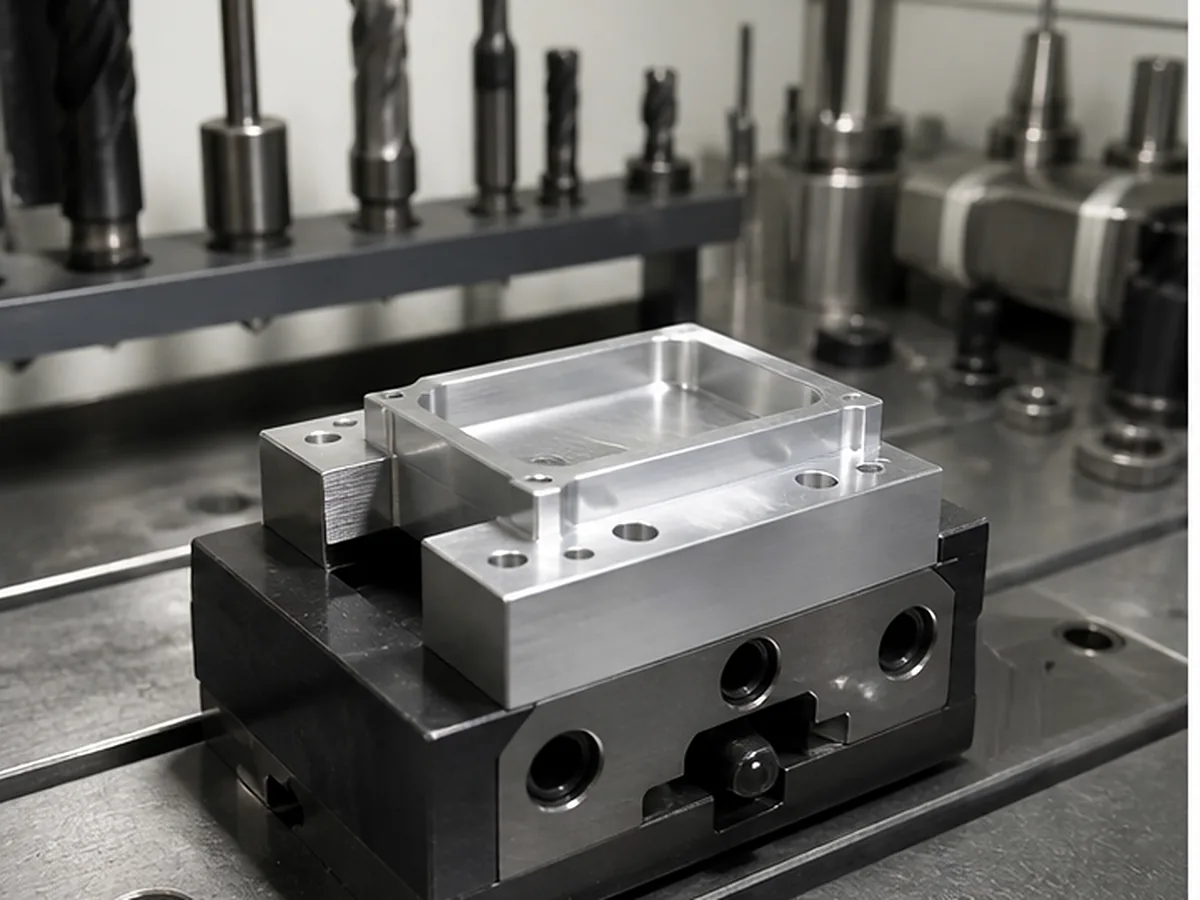
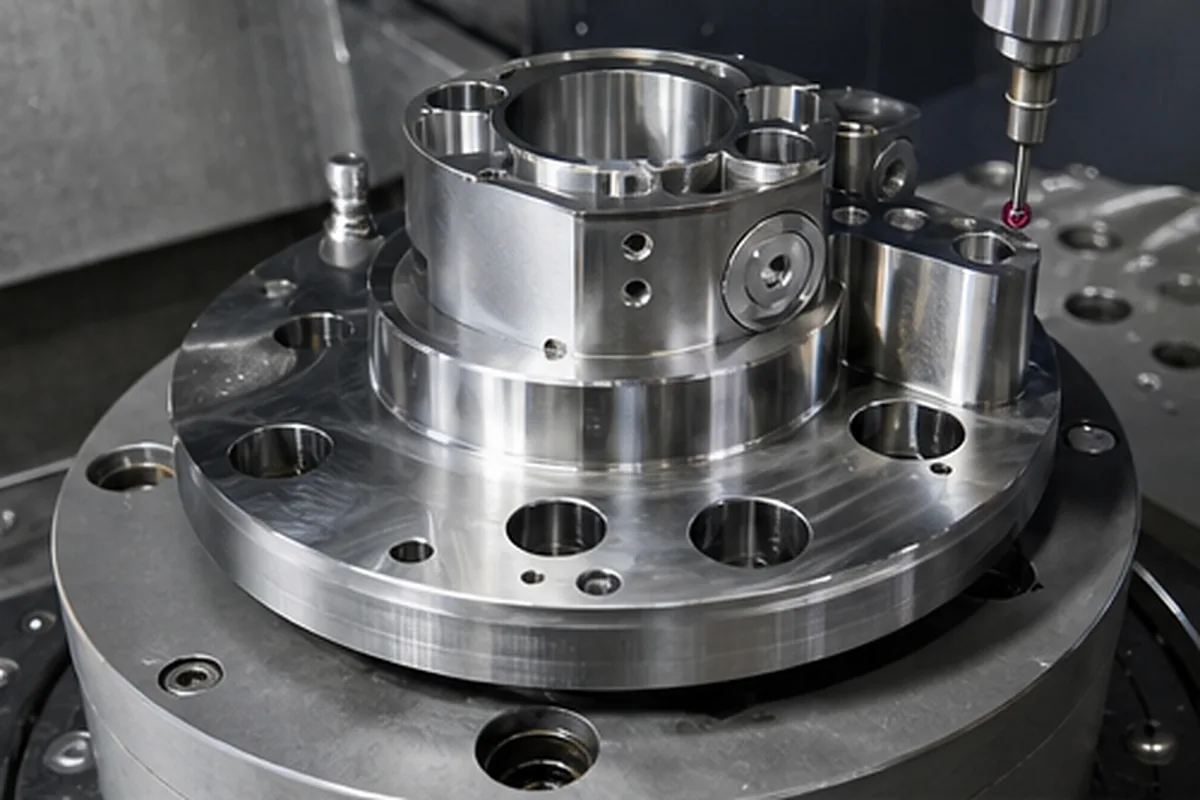
Prototype machining prioritizes design learning and fast revision. Production machining prioritizes repeatability, capacity, fixture stability, inspection planning, supplier control and unit economics. A prototype process should be reviewed before it becomes a recurring order.
Direct Comparison
| Factor | Prototype | Production |
|---|---|---|
| Primary goal | Validate fit, function and design | Repeat conforming output efficiently |
| Quantity | One or small batch | Scheduled batch/annual demand |
| Workholding | Flexible or temporary | Repeatable fixture and loading |
| Inspection | Focus on validation characteristics | Defined first-piece, in-process and release plan |
| Finishing | Available/fast option may be accepted | Batch consistency and approved supplier |
| Revision | Expected to change | Controlled and frozen for each order |
Do Not Optimize Too Early
A dedicated fixture or high-volume process can be wasted if the design changes. First determine what the prototype must validate and preserve flexibility around noncritical features.
Production Readiness Checklist
- Design revision approved and stable
- Material and special-process sources confirmed
- Fixture and process route reviewed
- Critical characteristics and inspection frequency defined
- Packaging, labeling and documentation approved
- Forecast, batch size and change-control process agreed
Prototype Success Does Not Prove Capability
One conforming part does not establish long-run stability. Tool wear, material batches, operator variation, finishing and measurement must be controlled for production.
Bridge Production
Low-volume CNC can supply parts while tooling or a high-volume process is prepared. It also allows market demand and design stability to be tested before larger investment.
How We Control the Buyer Risk in Prototype CNC Machining vs Production CNC Machining
The purchasing issue behind Prototype CNC Machining vs Production CNC Machining is that buyers can overpay or lose datum consistency when a process is chosen from a machine label instead of the part geometry; as a result, unnecessary setups or an unjustified high-end route can add cost without improving the functional result. Our response is to compares rotational versus prismatic geometry, feature access, datum relationships, workholding, batch size and measurement access before selecting milling, turning or a combined route. The objective is to protect assembly and validation schedules while reducing preventable scrap, rework and supplier-change risk.
For the Prototype CNC Machining vs Production CNC Machining buying decision, before we confirm price or delivery, the buyer should send the 2D drawing and 3D model, overall size, material state, critical datums and tolerances, quantity, finish and inspection documents. If a requirement cannot yet be verified, we keep it as an open condition instead of presenting it as a guaranteed result.