

Machining vs High-Volume Casting
CNC Machining vs Die Casting for Metal Parts
Choose CNC machining for prototypes, low volume, frequent design changes and tighter machined features without dedicated casting tooling. Choose die casting when the design is stable, volume is high and thin-wall near-net production justifies tooling. Cast parts may still need machining on critical interfaces.
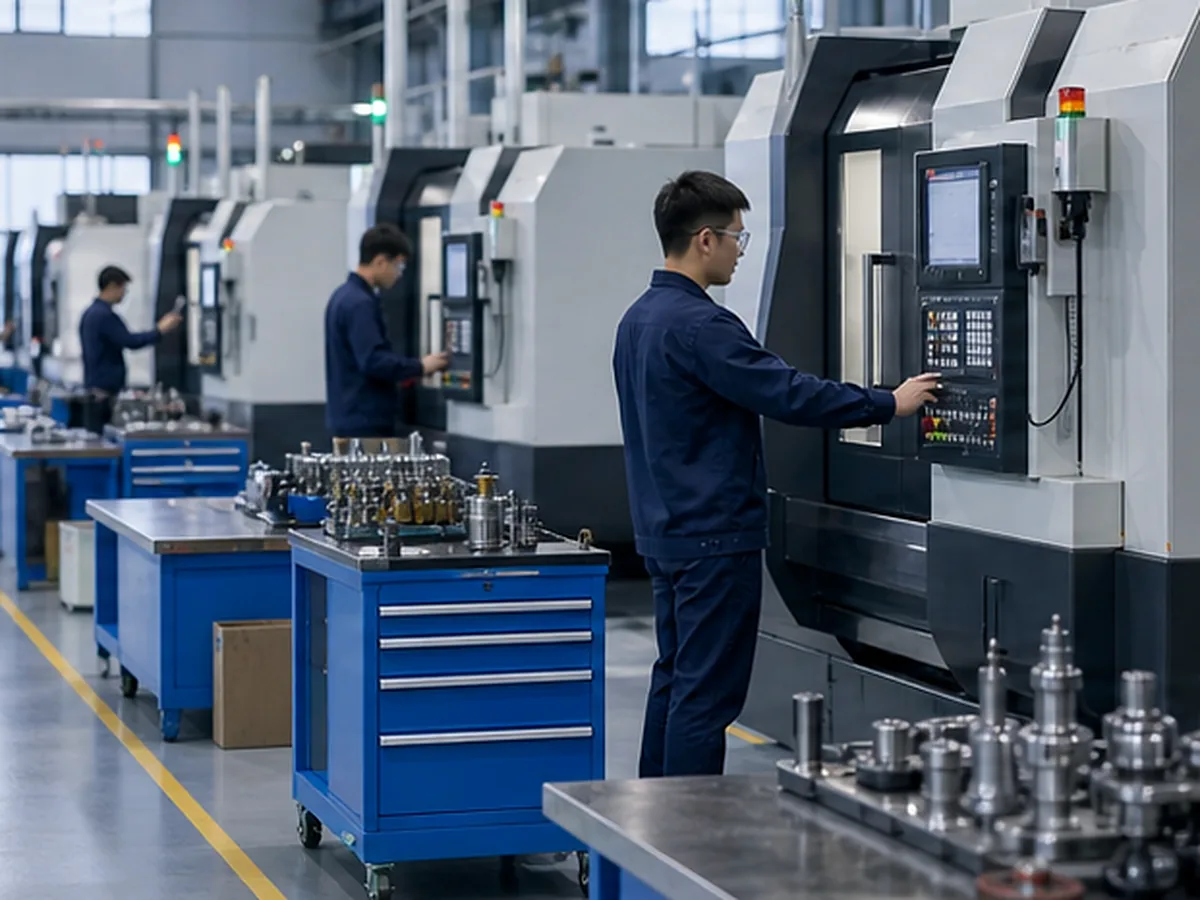
Direct Comparison
| Factor | CNC machining | Die casting |
|---|---|---|
| Tooling | Low dedicated tooling | High die investment |
| Design changes | Relatively flexible | Costly after die release |
| Volume | Prototype to low/medium volume | High-volume economics |
| Thin walls/near-net form | Machining may be wasteful or unstable | Strong for designed casting geometry |
| Critical precision | Directly machined accessible features | Often needs secondary machining |
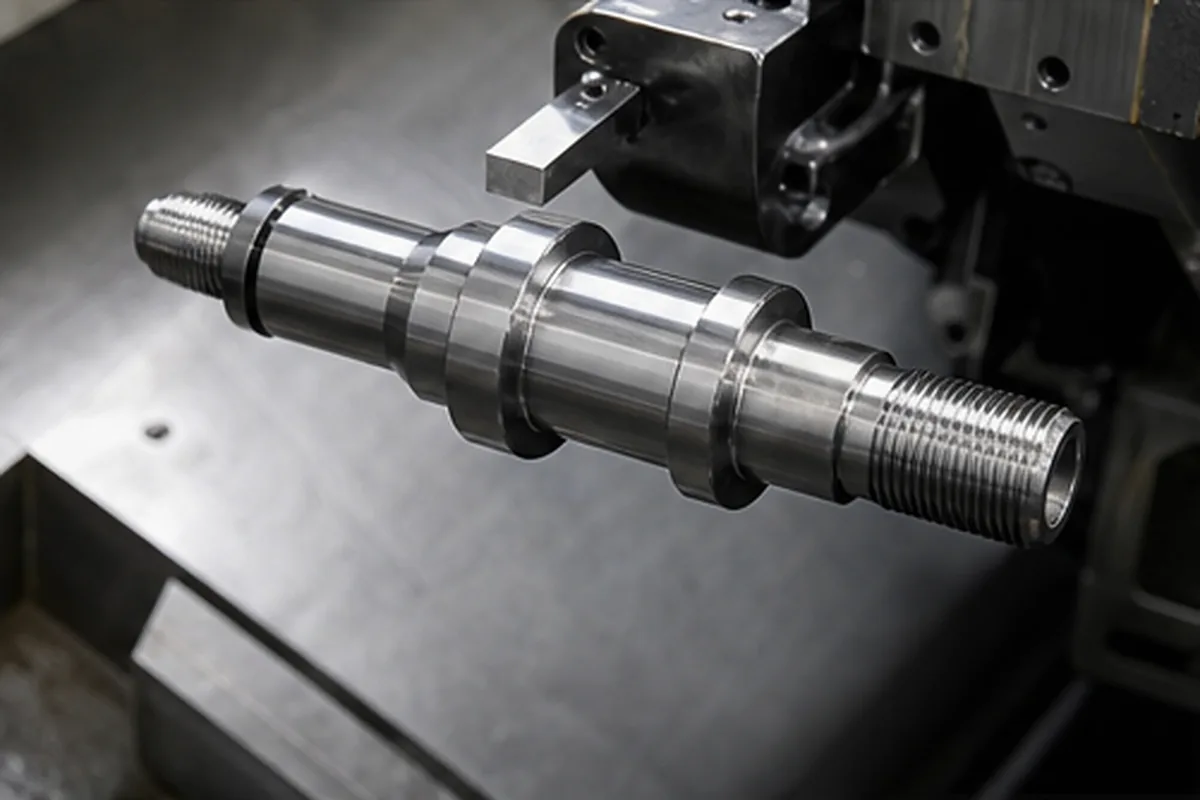
Use CNC First When the Design Is Not Frozen
Machined prototypes can validate assembly, interfaces and function before investing in a die. However, a billet-machined prototype does not reproduce every casting property, draft, porosity or wall behavior.
Transition to Die Casting When
- Annual volume supports die and qualification cost.
- Geometry has draft, wall and ejection design.
- Alloy and casting properties meet function.
- Critical machining allowance and datums are defined.
- Porosity and leak requirements are validated.
Hybrid Route
Die cast the near-net body, then machine bores, sealing faces, threads and mounting datums. The casting drawing should include datum targets and machining stock.
Formexi Boundary
Formexi’s core page scope is CNC manufacturing. Die-casting supplier, tonnage, tooling and qualification must be separately verified before offering a complete casting program.
From CNC Machining vs Die Casting for Metal Parts Requirements to a Controlled Manufacturing Plan
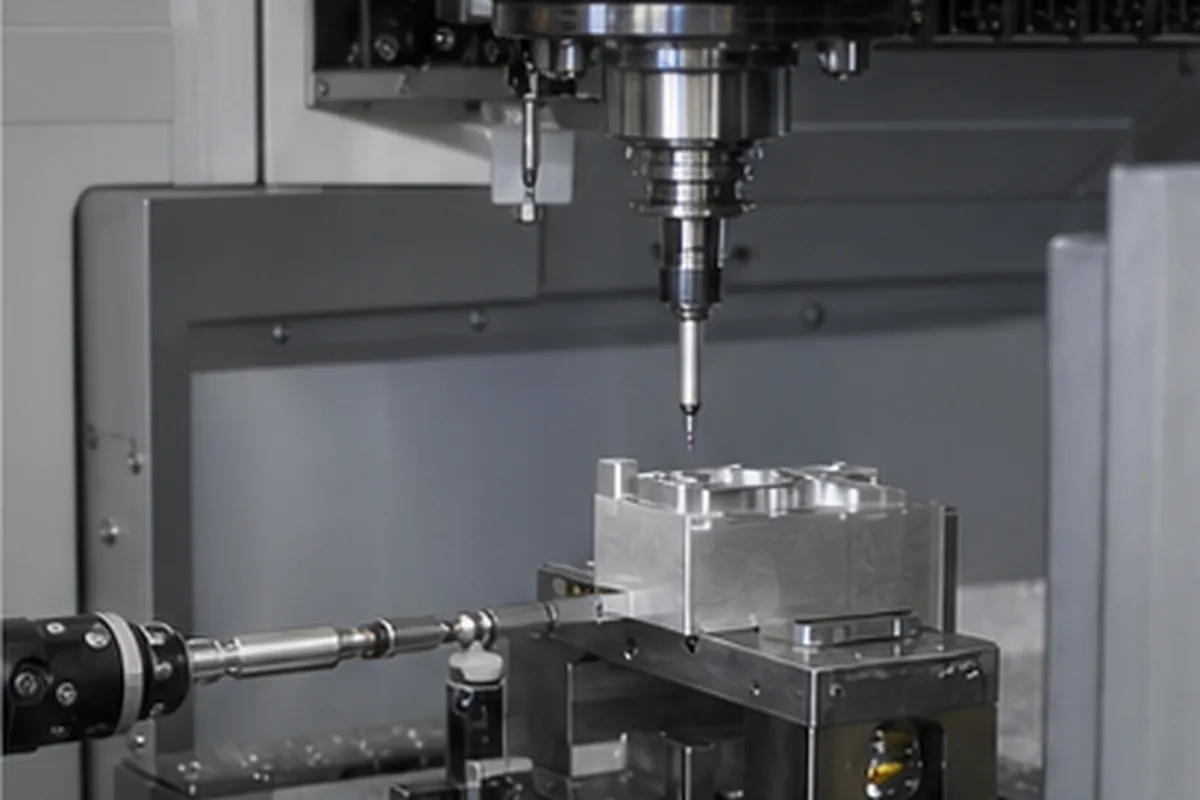
A useful supplier solution for CNC Machining vs Die Casting for Metal Parts starts when buyers can overpay or lose datum consistency when a process is chosen from a machine label instead of the part geometry. Because unnecessary setups or an unjustified high-end route can add cost without improving the functional result, our project review compares rotational versus prismatic geometry, feature access, datum relationships, workholding, batch size and measurement access before selecting milling, turning or a combined route. That approach helps the buyer avoid paying for the wrong process and lowers the chance of discovering a critical issue after machining or finishing.
For the CNC Machining vs Die Casting for Metal Parts buying decision, our review needs the 2D drawing and 3D model, overall size, material state, critical datums and tolerances, quantity, finish and inspection documents. We record assumptions, approval points and evidence requirements before the quotation becomes the production baseline.
Confirm the Process for CNC Machining vs Die Casting for Metal Parts
For CNC Machining vs Die Casting for Metal Parts, submit the 2D drawing and 3D model with matching revision, exact material and condition, quantity and repeat demand. Identify relevant datums, critical tolerances, GD&T, threads, difficult-access geometry, thin walls, roughness, heat treatment and finish requirements.
The route for CNC Machining vs Die Casting for Metal Parts may require multiple setups, dedicated workholding, intermediate inspection or a justified secondary process. Select grinding, EDM, stress relief or post-finish verification only when the geometry and function require it; machine axis count alone does not establish final capability.