

Steel Corrosion Protection
Zinc Plating for CNC Machined Steel Parts
Formexi coordinates zinc plating for steel components requiring economical corrosion protection and a controlled conversion finish. Plating type, passivate color, thickness, sealing, masking and hydrogen-embrittlement requirements must be agreed before production.
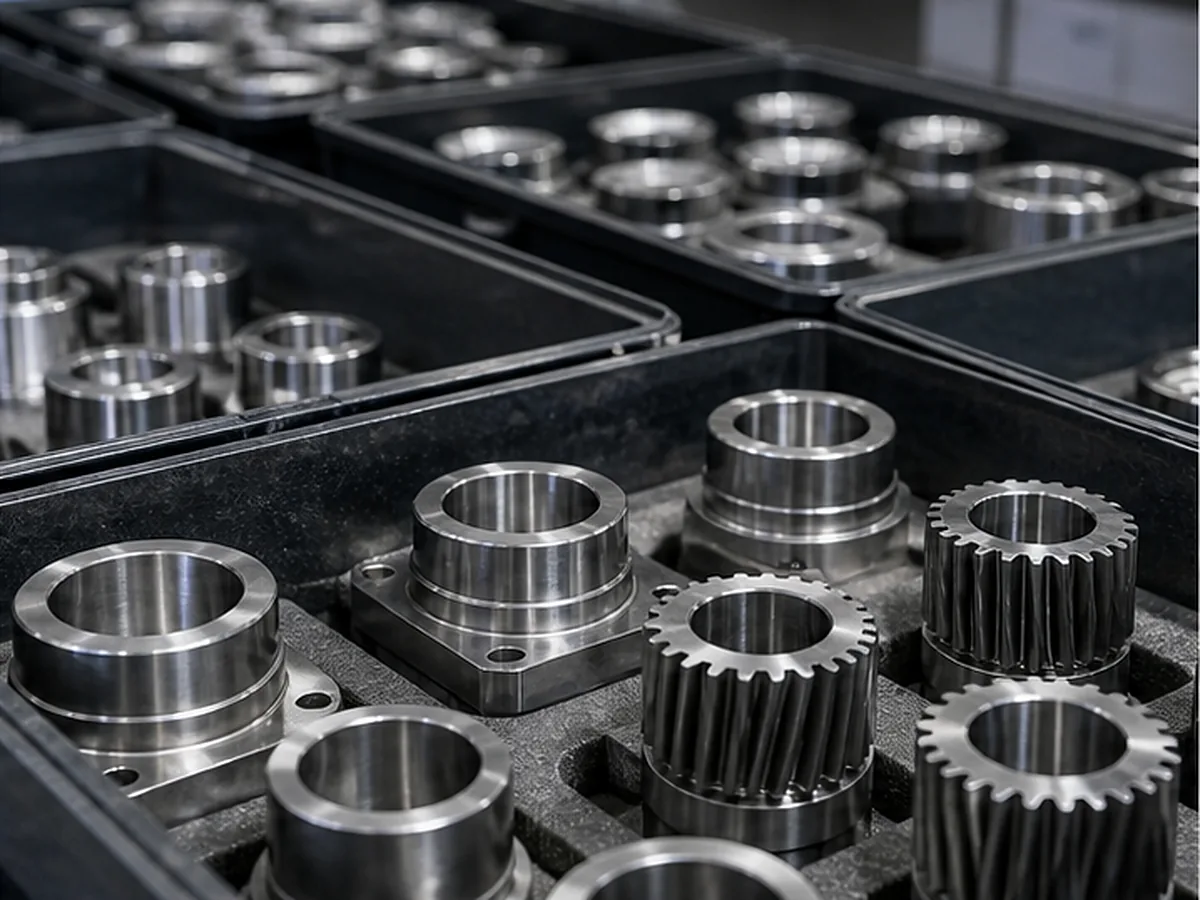
Typical Uses
- Steel brackets, fittings, fastener-related parts and hardware
- Indoor or moderately exposed industrial components
- Parts requiring clear, blue, yellow, black or specified passivate appearance
- Applications where zinc is compatible with the service environment

Corrosion Performance Is Specification-Dependent
Service life depends on coating thickness, conversion layer, sealer, environment, edge geometry and handling. A color description does not define corrosion performance. State the governing standard and test requirement where durability matters.
Dimensions and Threads
Zinc adds thickness to exposed surfaces. Thread class, plug/ring gauge condition, bores and mating dimensions must be planned in the plated condition. Masking may be required for grounding, welding, bearing or seal areas.
High-Strength Steel Warning
Acid cleaning and electroplating can introduce hydrogen-embrittlement risk in high-strength steels. Material hardness, pretreatment and post-plate baking must be reviewed against the applicable specification before zinc plating is accepted.
Inspection and Documents
Checks may include appearance, thickness, adhesion, thread function, mask zones and corrosion-test documentation. Hexavalent-chromium, RoHS and REACH requirements must be stated before selecting the process.
Standards and Regulatory Sources Used on This Page
For Zinc Plating for CNC Machined Steel Parts, these primary sources define the scope of cited standards or regulations. They do not prove Formexi certification, a customer approval or project compliance; those require current, scope-matched records.
How We Control the Buyer Risk in Zinc Plating for CNC Machined Steel Parts
A useful supplier solution for Zinc Plating for CNC Machined Steel Parts starts when a finish can change dimensions, hide burrs, create color variation or damage cosmetic and sealing surfaces. Because late finish decisions can turn acceptable machined parts into rejected final parts, our project review coordinates machining allowance, pretreatment, masking, rack-contact location, thread and fit protection, handling and post-process inspection as one route. That approach helps the buyer avoid paying for the wrong process and lowers the chance of discovering a critical issue after machining or finishing.
For the Zinc Plating for CNC Machined Steel Parts buying decision, our review needs base material, process type/class, thickness, color or texture sample, masks, critical post-finish dimensions, tests and packaging. We record assumptions, approval points and evidence requirements before the quotation becomes the production baseline.
Control Zinc Plating for CNC Machined Steel Parts on the Drawing
For Zinc Plating for CNC Machined Steel Parts, identify the base material and condition, process standard, type or class, target thickness where applicable, color or texture, pretreatment, masking and rack-contact limits. Mark the threads, bores, datum surfaces, contacts, sealing faces and fits that need protection or post-process verification.
For Zinc Plating for CNC Machined Steel Parts, state whether dimensions apply before or after treatment and define thickness, appearance, adhesion, corrosion or certificate checks only where required. Quantity, approved-processor requirements and first-article approval then become part of price and lead-time review.
Specify More Than “Zinc Plated”
Provide material/hardness, plating standard, thickness, passivate, sealer, mask and test requirements.