

Stainless Steel Treatment
Passivation for CNC Machined Stainless Steel Parts
Formexi coordinates passivation to remove free-iron contamination and support the natural passive condition of suitable stainless steel. Passivation does not add a protective metal coating and cannot make an unsuitable stainless grade corrosion-proof.
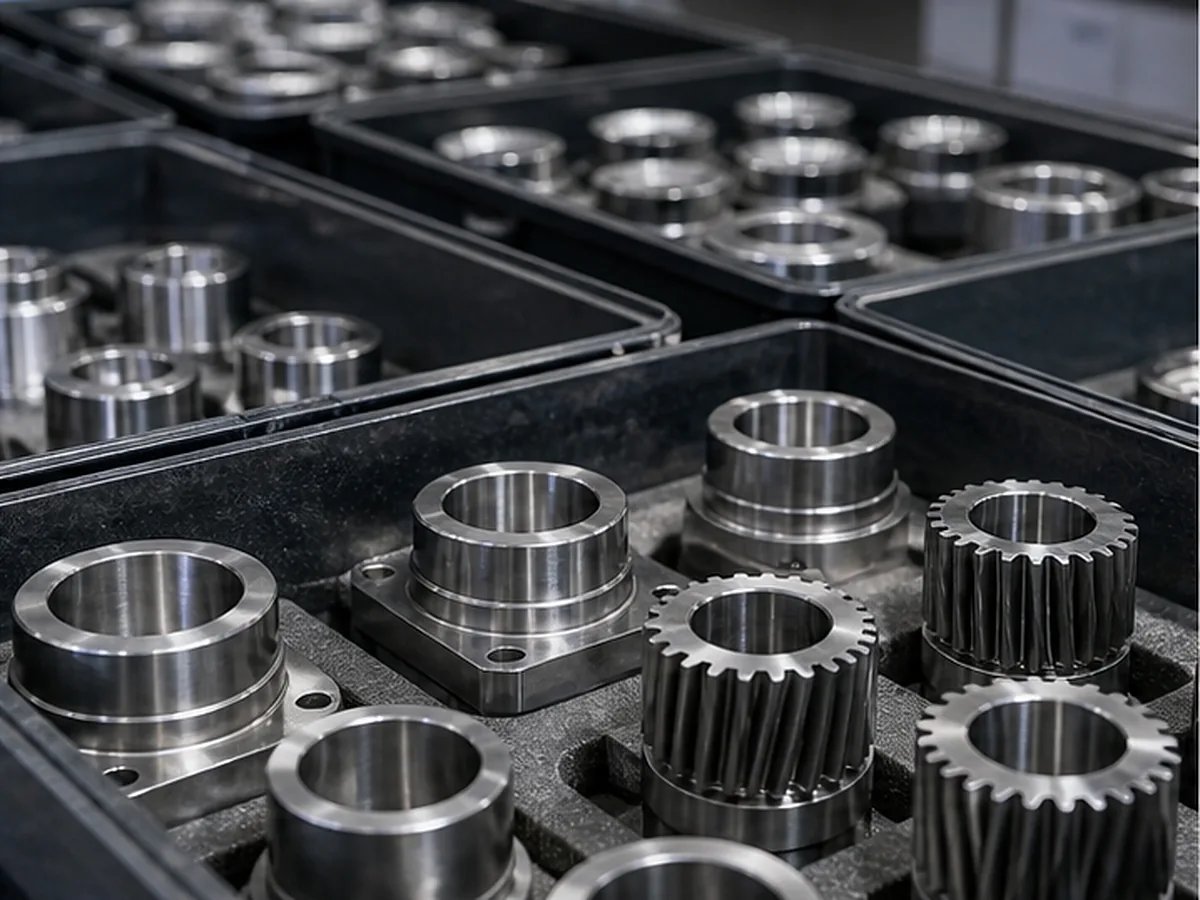
When Passivation Is Considered
- Machined stainless parts exposed to iron-containing tools or handling
- Components requiring a specified nitric- or citric-based process
- Projects needing cleanliness and documented stainless treatment
- Parts where plating or paint is not desired
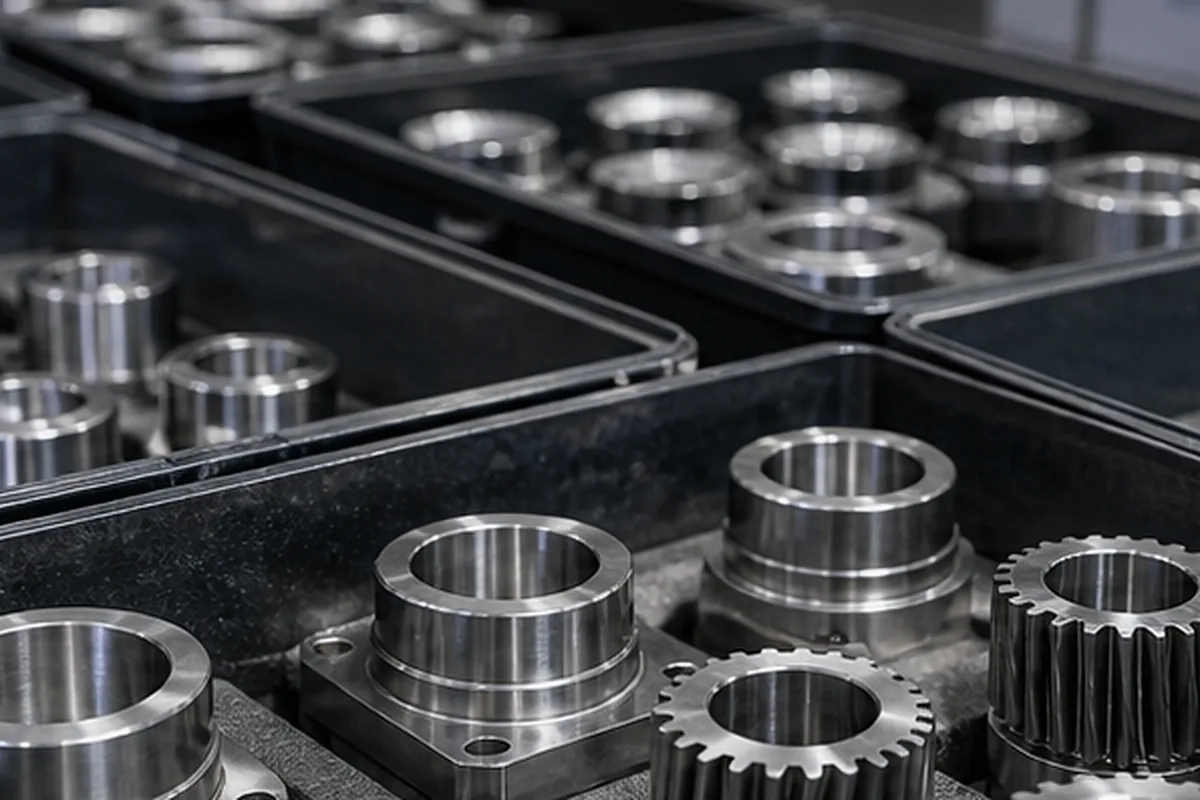
Material Grade Still Controls Corrosion
304 and 316L do not provide the same performance in chloride-rich service, and martensitic grades behave differently again. Passivation helps remove contamination; it does not change the alloy chemistry or eliminate crevice, pitting or galvanic risk.
Specify the Process Standard
The drawing or purchase order should identify the applicable passivation standard, method, verification test and any prohibited chemistry. Writing only “passivate” leaves process and acceptance unclear.
Surface Preparation and Appearance
Oil, scale, heat tint and embedded contamination may require cleaning or another treatment before passivation. Passivation is not intended to polish the surface or remove machining marks. Cosmetic finish should be specified separately.
Verification
Depending on the specification, verification may include water-break, copper-sulfate, ferroxyl, salt exposure or other agreed methods. Test and certificate requirements must be included before quotation.
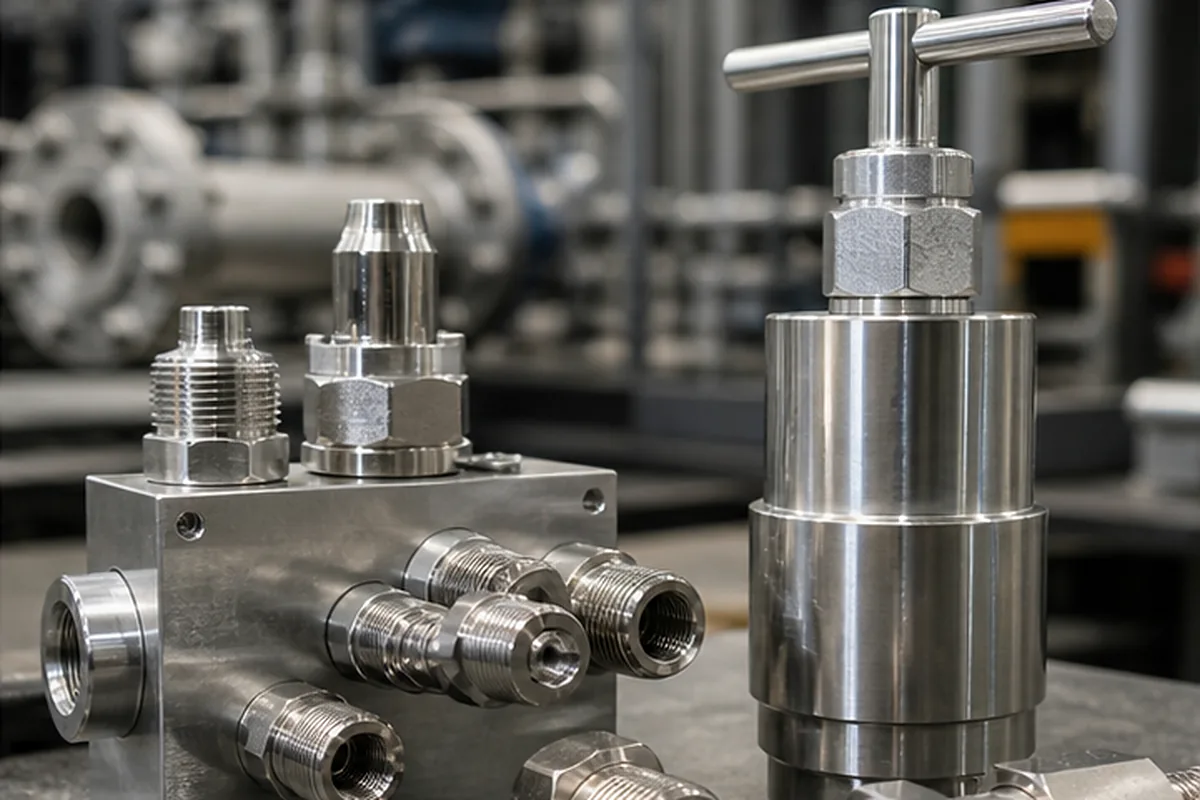
From Passivation for CNC Machined Stainless Steel Parts Requirements to a Controlled Manufacturing Plan
When a finish can change dimensions, hide burrs, create color variation or damage cosmetic and sealing surfaces, late finish decisions can turn acceptable machined parts into rejected final parts. For Passivation for CNC Machined Stainless Steel Parts, our engineering and quotation review coordinates machining allowance, pretreatment, masking, rack-contact location, thread and fit protection, handling and post-process inspection as one route. This helps reduce rework, approval delays and avoidable purchasing cost without turning a screening assumption into a capability guarantee.
For the Passivation for CNC Machined Stainless Steel Parts buying decision, we confirm the route only after reviewing base material, process type/class, thickness, color or texture sample, masks, critical post-finish dimensions, tests and packaging. Any unresolved item is listed as an RFQ clarification so the buyer can compare scope, evidence, price and lead time on the same basis.
Control Passivation for CNC Machined Stainless Steel Parts on the Drawing
For Passivation for CNC Machined Stainless Steel Parts, identify the base material and condition, process standard, type or class, target thickness where applicable, color or texture, pretreatment, masking and rack-contact limits. Mark the threads, bores, datum surfaces, contacts, sealing faces and fits that need protection or post-process verification.
For Passivation for CNC Machined Stainless Steel Parts, state whether dimensions apply before or after treatment and define thickness, appearance, adhesion, corrosion or certificate checks only where required. Quantity, approved-processor requirements and first-article approval then become part of price and lead-time review.
Match Passivation to the Stainless Grade
Send the material grade, process standard, cleanliness, test and certificate requirements.