

No Added Coating
As-Machined Finish for CNC Parts
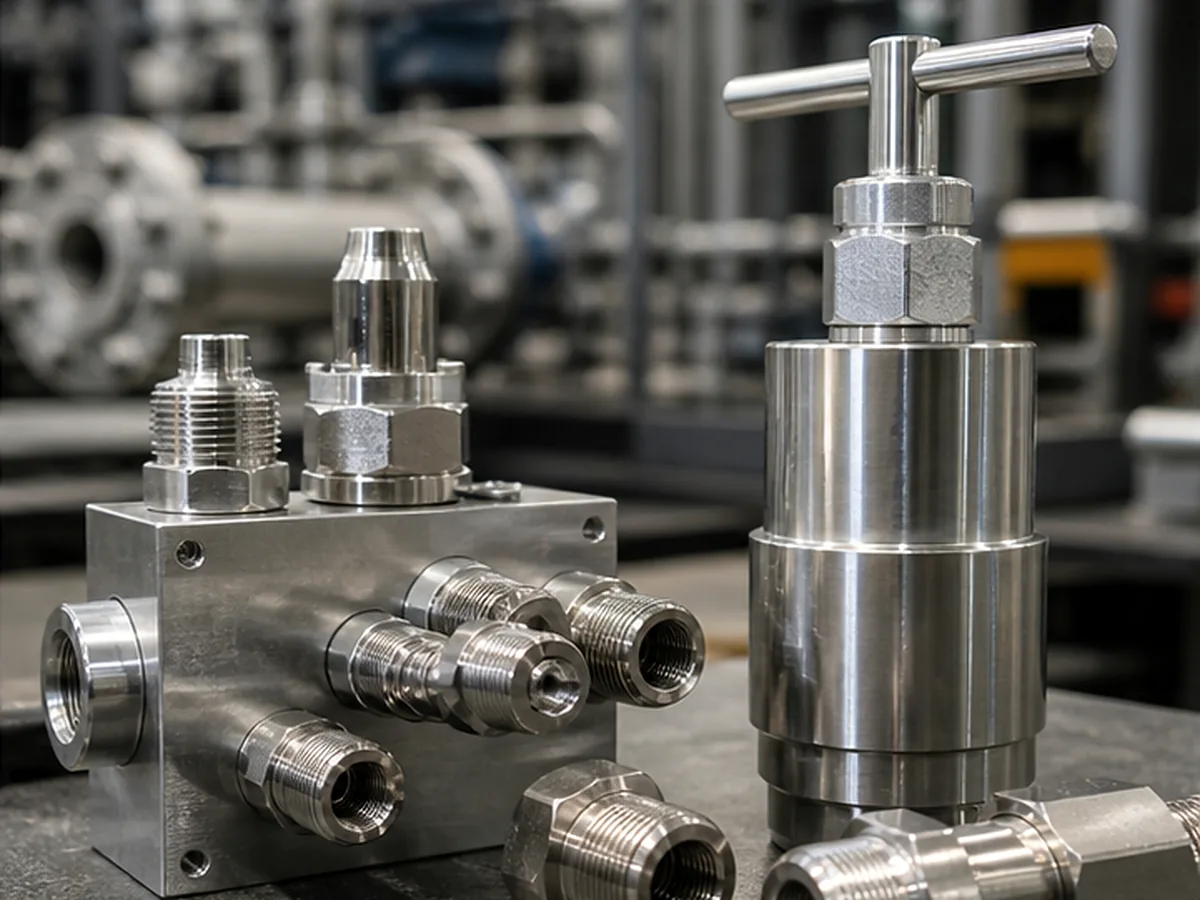
An as-machined finish leaves the part in its machined condition after cleaning, deburring and agreed edge treatment. It is usually the fastest and lowest-cost option when tool marks are acceptable and no additional corrosion, wear or cosmetic coating is required.
What Is Included
- Removal of loose chips and machining debris
- Removal of loose burrs
- Breaking of sharp machining edges where function permits
- Cleaning suitable for normal shipment
- No added coating, plating, polishing or color treatment
Provisional Surface Roughness
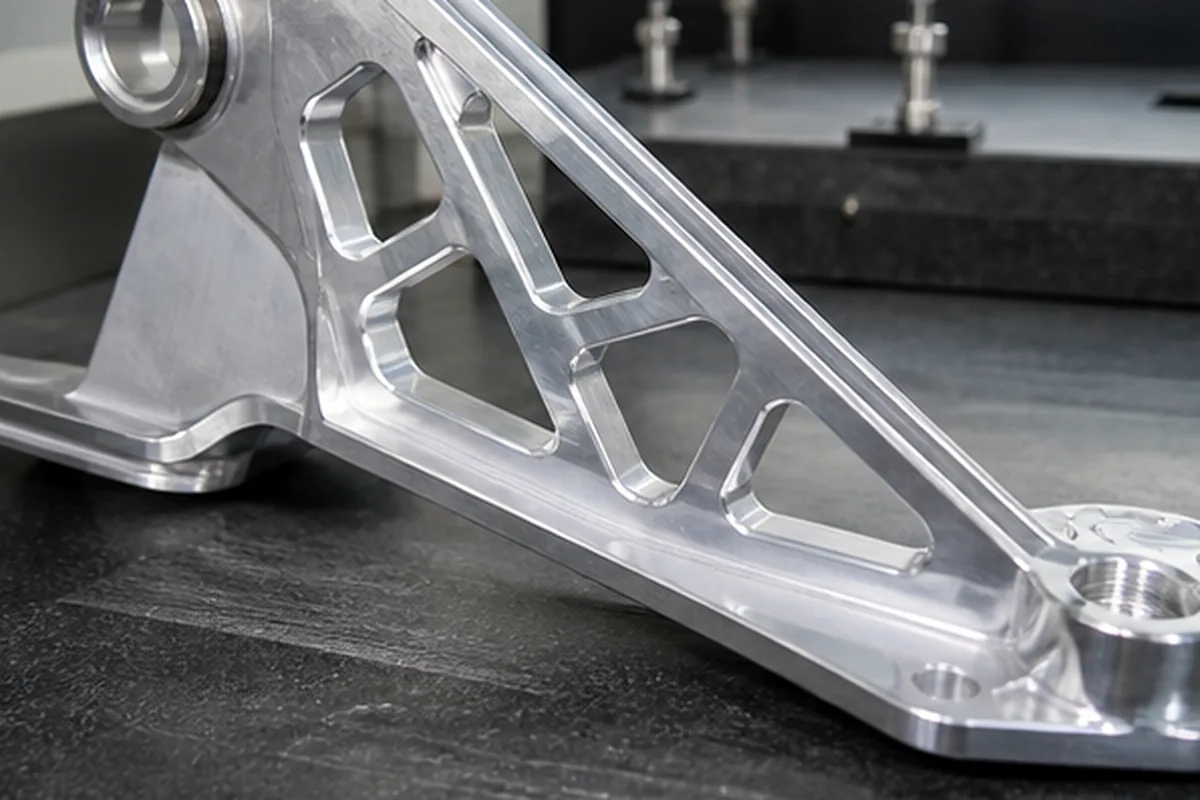
The following screening standard as-machined roughness is Ra 3.2 μm unless a different requirement is specified and confirmed. Ra 1.6 μm or Ra 0.8 μm may be achievable on suitable accessible features. Roughness is not equivalent to cosmetic appearance: two surfaces can meet the same Ra and still show different tool patterns.
When As Machined Is Appropriate
- Internal, hidden or noncosmetic parts
- Prototypes where function matters more than appearance
- Parts that will be finished by the customer
- Tight features where coating buildup should be avoided
- Projects prioritizing lead time and cost
When Another Finish Is Needed
Choose another finish if the part requires corrosion protection, electrical insulation, wear resistance, color, controlled reflectivity, a uniform cosmetic texture or improved cleanability. Bare carbon steel, magnesium and some copper alloys may require immediate protection.
Drawing Requirements
Identify critical roughness, lay direction, sealing faces, optical surfaces, edges that must remain sharp and cosmetic zones. “As machined” does not authorize uncontrolled scratches, dents or contamination, but an appearance standard must be defined if visual consistency matters.
Our Review Method for As-Machined Finish for CNC Parts Requirements
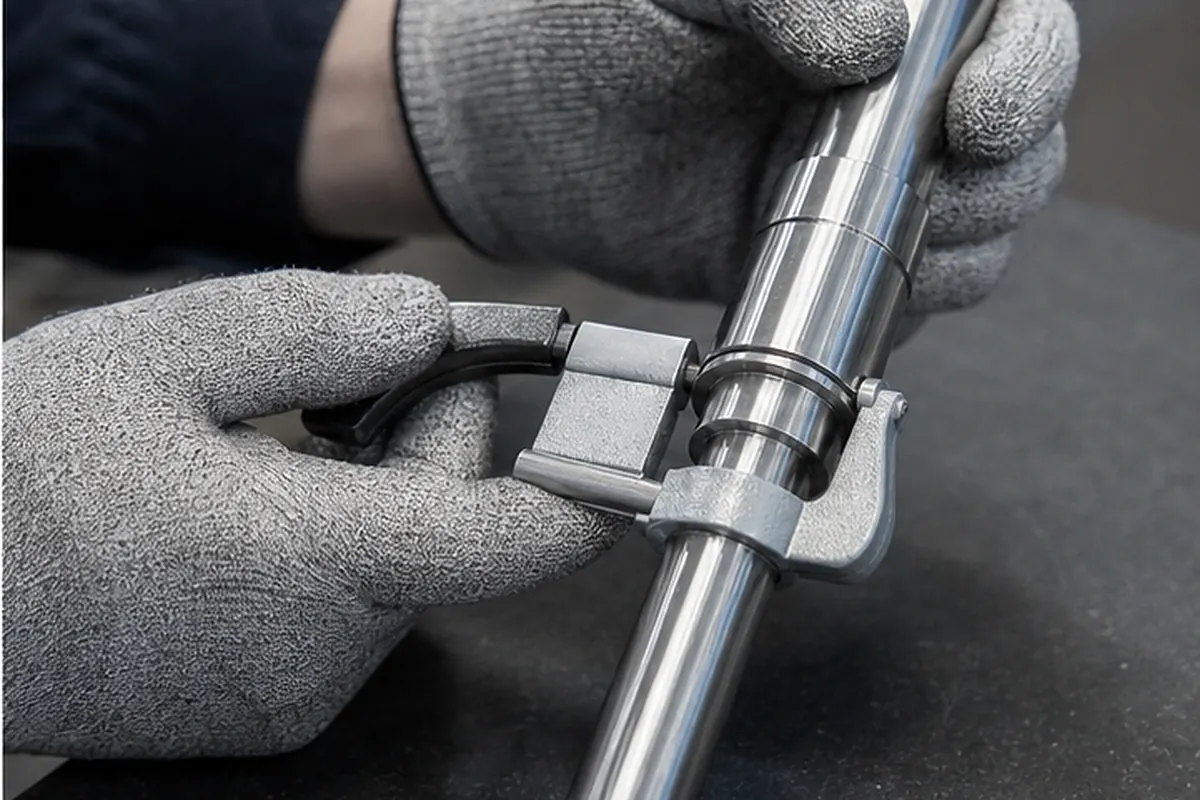
The purchasing issue behind As-Machined Finish for CNC Parts is that the buyer needs a supplier response tied to the actual part rather than a generic capability statement; as a result, a broad promise can leave geometry, material, quality, cost and delivery assumptions unresolved. Our response is to turns the drawing and purchase requirement into documented process, inspection and approval questions before price or production is confirmed. The objective is to protect assembly and validation schedules while reducing preventable scrap, rework and supplier-change risk.
For the As-Machined Finish for CNC Parts buying decision, before we confirm price or delivery, the buyer should send the controlled drawing and model, material, quantities, critical requirements, finish, quality documents, target date, destination and confidentiality needs. If a requirement cannot yet be verified, we keep it as an open condition instead of presenting it as a guaranteed result.
Control As-Machined Finish for CNC Parts on the Drawing
For As-Machined Finish for CNC Parts, identify the base material and condition, process standard, type or class, target thickness where applicable, color or texture, pretreatment, masking and rack-contact limits. Mark the threads, bores, datum surfaces, contacts, sealing faces and fits that need protection or post-process verification.
For As-Machined Finish for CNC Parts, state whether dimensions apply before or after treatment and define thickness, appearance, adhesion, corrosion or certificate checks only where required. Quantity, approved-processor requirements and first-article approval then become part of price and lead-time review.
Use the Simplest Finish That Meets Function
Provide roughness, edge, cleaning and cosmetic requirements with the drawing.