

Aluminum Surface Treatment
Anodizing for CNC Machined Aluminum Parts
Formexi coordinates anodizing for aluminum parts requiring corrosion support, electrical insulation, wear improvement or controlled appearance. Alloy, anodizing type, color, thickness, masking and dimensional allowance must be specified before machining is finalized.
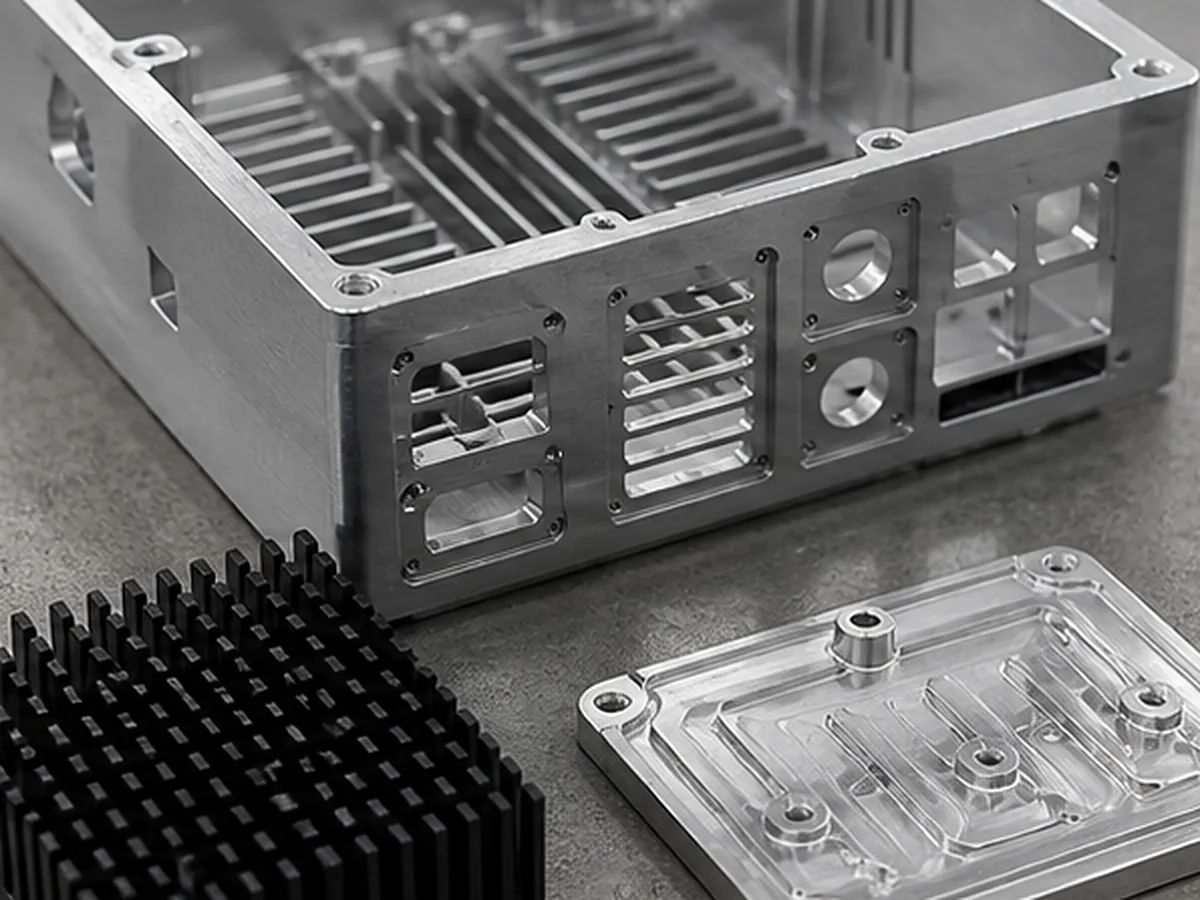
Choose the Anodizing Type by Function
| Option | Often selected for | Main boundary |
|---|---|---|
| Type II / conventional anodizing | General corrosion support and decorative color | Color varies by alloy, batch and surface preparation |
| Type III / hard anodizing | Higher wear and thicker functional oxide | Greater dimensional effect and more limited color consistency |
| Clear/natural | Metallic appearance and functional protection | “Clear” does not mean visually identical across alloys |
| Dyed color | Black or project-specific appearance | Use an approved sample and define acceptable variation |
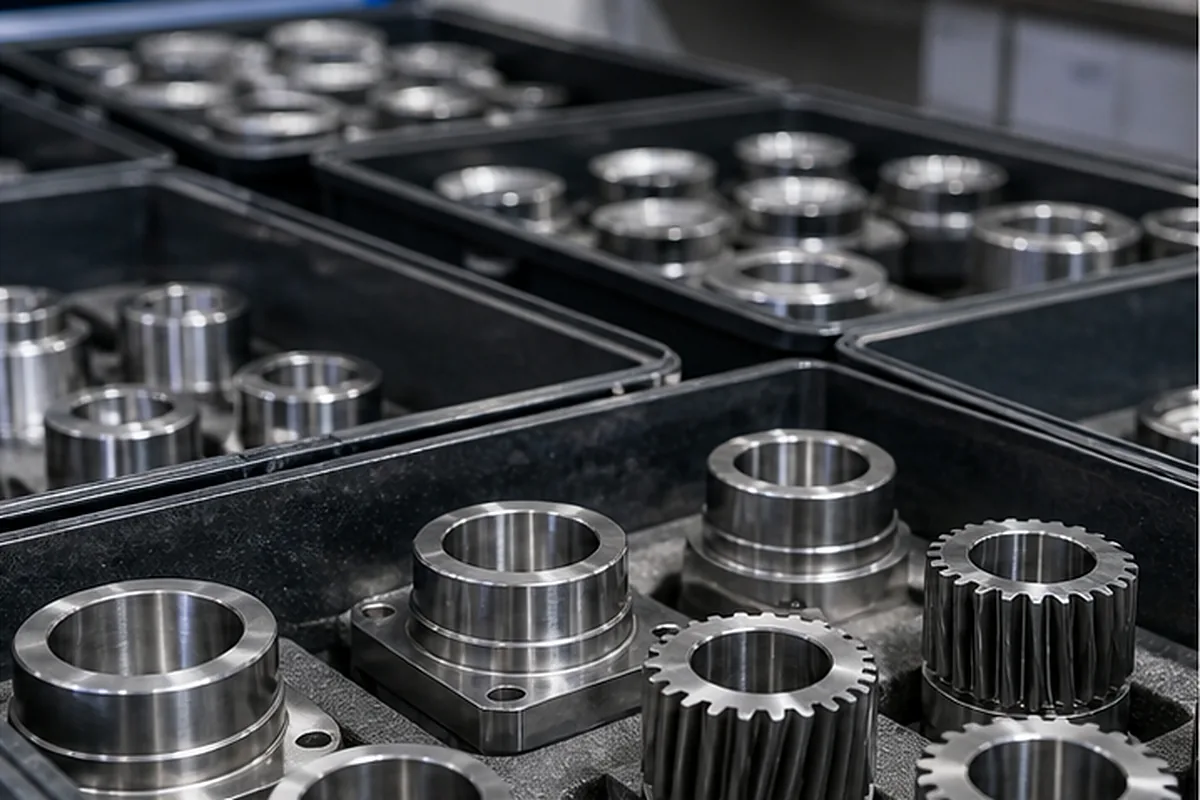
Dimensional Buildup
Anodizing changes surface dimensions. The total layer and the portion growing above the original surface depend on process and specification. Tight bores, threads, bearing fits and sealing faces may require masking, pre-compensation or post-process finishing. Do not apply finished dimensions without considering the coating.
Alloy and Surface Preparation
6061, 7075 and other aluminum alloys can produce different shades under the same nominal color. Machining marks, bead blasting, polishing, welds and material variation affect appearance. Cosmetic surfaces should be identified and processed as one controlled batch where possible.
Buyer Specifications
- Anodizing type and governing standard
- Color and approved reference sample
- Thickness or functional requirement
- Seal requirement
- Masking and electrical-contact zones
- Cosmetic surface classification
- Salt-spray, certificate or thickness report if required
Inspection
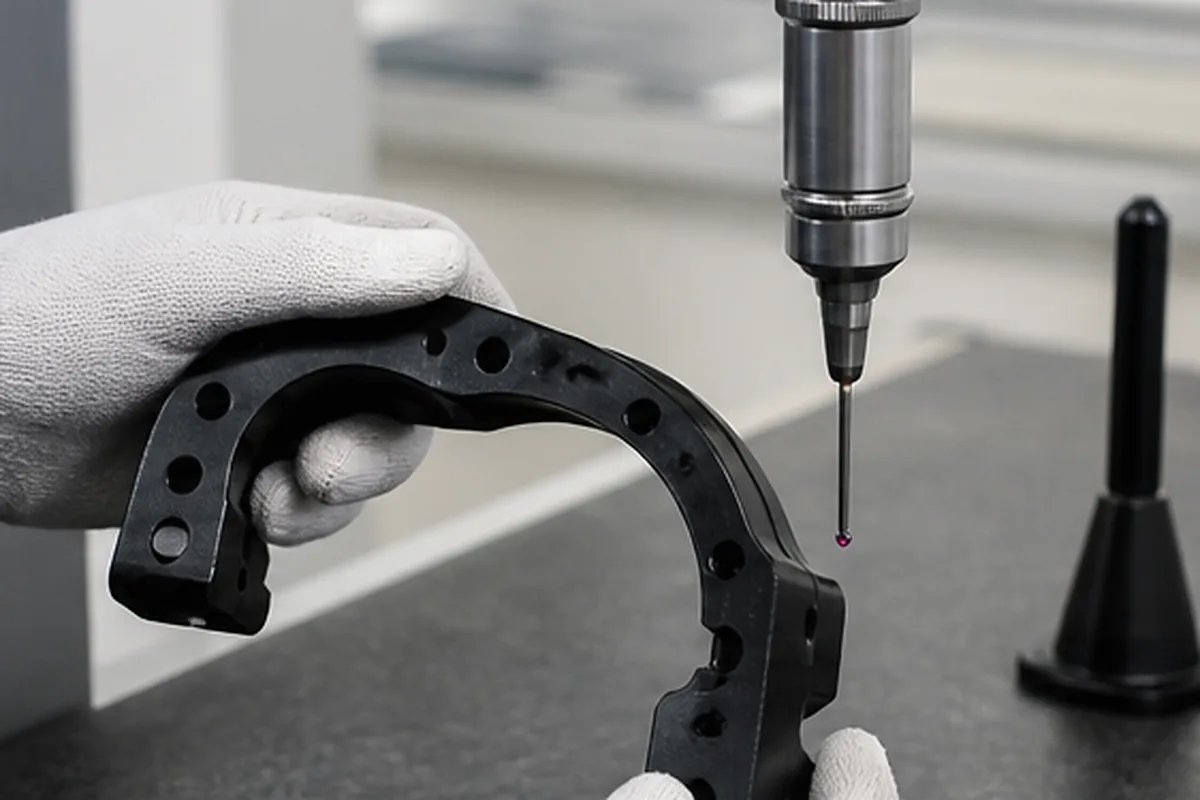
Inspection may include visual comparison, masking, thickness, critical dimensions, thread function and requested process documents. Color should be judged under agreed lighting and against a physical sample where strict matching matters.
Our Review Method for Anodizing for CNC Machined Aluminum Parts Requirements
When a finish can change dimensions, hide burrs, create color variation or damage cosmetic and sealing surfaces, late finish decisions can turn acceptable machined parts into rejected final parts. For Anodizing for CNC Machined Aluminum Parts, our engineering and quotation review coordinates machining allowance, pretreatment, masking, rack-contact location, thread and fit protection, handling and post-process inspection as one route. This helps reduce rework, approval delays and avoidable purchasing cost without turning a screening assumption into a capability guarantee.
For the Anodizing for CNC Machined Aluminum Parts buying decision, we confirm the route only after reviewing base material, process type/class, thickness, color or texture sample, masks, critical post-finish dimensions, tests and packaging. Any unresolved item is listed as an RFQ clarification so the buyer can compare scope, evidence, price and lead time on the same basis.
Plan Anodizing With the Finished Dimensions
Upload the drawing with mask zones, color, thickness and critical fits identified.