

Engineering Guide
How to Select a Material for CNC Machined Parts
Select CNC material by the part’s functional requirements first: load, stiffness, temperature, corrosion, wear, weight, electrical behavior, dimensional stability and applicable standards. Then compare machinability, stock availability, finishing, inspection and total cost. A familiar grade is not automatically suitable for every environment.

1. Define the Function Before Comparing Grades
- What load, impact or fatigue will the part experience?
- What temperature range and thermal cycling apply?
- Will it contact water, salt, chemicals, food, body fluids or fuels?
- Does weight, conductivity, insulation or friction matter?
- Which dimensions affect fit, sealing, motion or calibration?
- Is a regulatory or customer material standard mandatory?
2. Shortlist the Material Family
| Priority | Often considered | Do not ignore |
|---|---|---|
| Low weight and general machinability | 6061 or other aluminum alloys | Strength, threads, wear and finishing |
| Higher strength-to-weight | 7075 or titanium | Corrosion, cost, stock and processing |
| Corrosion resistance | 304, 316L or suitable polymers | Chlorides, temperature and mechanical load |
| Strength and wear | 4140, tool steel or hardened grades | Heat treatment, distortion and grinding |
| Electrical/thermal conductivity | Copper or selected aluminum | Softness, weight and surface protection |
| Low friction/insulation | POM, PTFE, PEEK or other polymers | Temperature, moisture and creep |
3. Check the Actual Service Environment
“Corrosion resistant” is conditional. For example, 304 stainless steel can still pit in chloride-rich environments; 316L may be preferred, but concentration, temperature, crevices and cleaning exposure still matter. Material selection for regulated or safety-critical service should be approved by the responsible product engineer.
4. Review Manufacturability and Stability
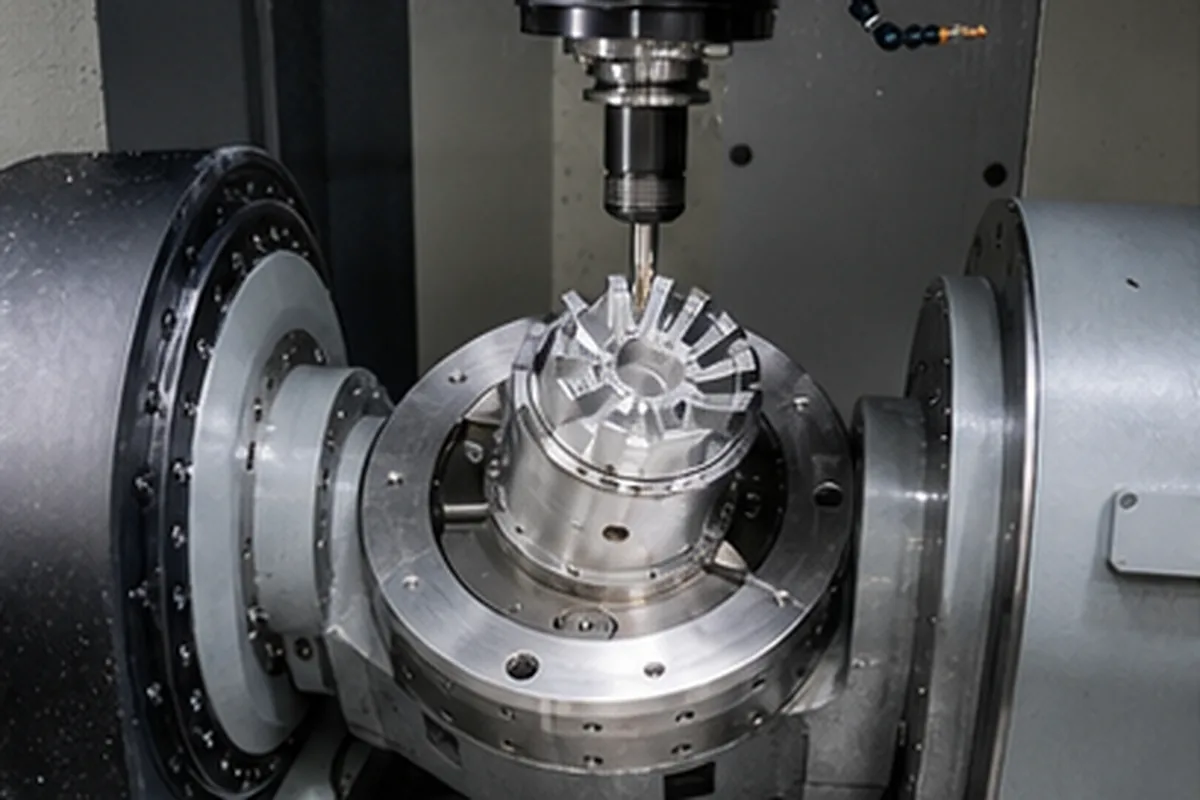
Compare stock form, residual stress, hardness, heat generation, burr behavior, tool wear and dimensional recovery. Thin aluminum parts may move as stock is removed; nylon can change with moisture; PTFE can deform under clamping; hardened steel may require grinding after heat treatment.
5. Include Finishing and Inspection
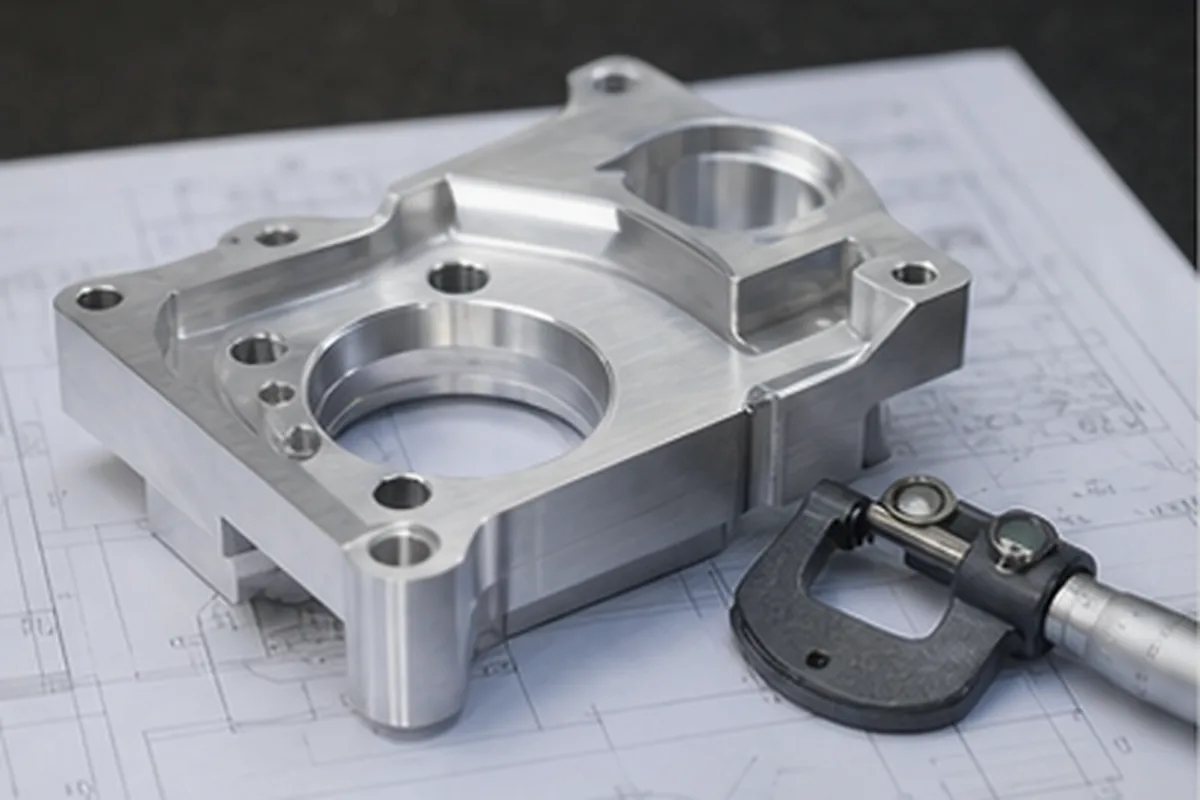
Anodizing, plating, passivation, heat treatment and coating can change dimensions or appearance. Specify critical surfaces and certificate needs before quotation. Also confirm that the selected tolerance can be measured on the actual feature.
6. Compare Total Cost, Not Material Price Alone
Total cost includes stock, waste, cycle time, tooling, finishing, inspection, rejection risk and service life. A cheaper raw material may cost more if it machines slowly, distorts or needs extra protection.
Material Selection Checklist
- Define function and environment.
- Identify mandatory standards.
- Choose two or three realistic grades.
- Compare machinability and stability.
- Confirm finish and dimensional allowance.
- Confirm certificate and traceability.
- Prototype or test where uncertainty remains.
How We Control the Buyer Risk in How to Select a Material for CNC Machined Parts
The purchasing issue behind How to Select a Material for CNC Machined Parts is that the buyer needs a supplier response tied to the actual part rather than a generic capability statement; as a result, a broad promise can leave geometry, material, quality, cost and delivery assumptions unresolved. Our response is to turns the drawing and purchase requirement into documented process, inspection and approval questions before price or production is confirmed. The objective is to protect assembly and validation schedules while reducing preventable scrap, rework and supplier-change risk.
For the How to Select a Material for CNC Machined Parts buying decision, before we confirm price or delivery, the buyer should send the controlled drawing and model, material, quantities, critical requirements, finish, quality documents, target date, destination and confidentiality needs. If a requirement cannot yet be verified, we keep it as an open condition instead of presenting it as a guaranteed result.