

Aluminum Alloys
Aluminum CNC Machining for Lightweight Custom Parts
Formexi machines aluminum housings, brackets, plates, heat-management parts, fixtures and structural components for prototypes and production batches. Alloy and temper are selected according to strength, corrosion, dimensional stability, conductivity, finishing and stock availability.
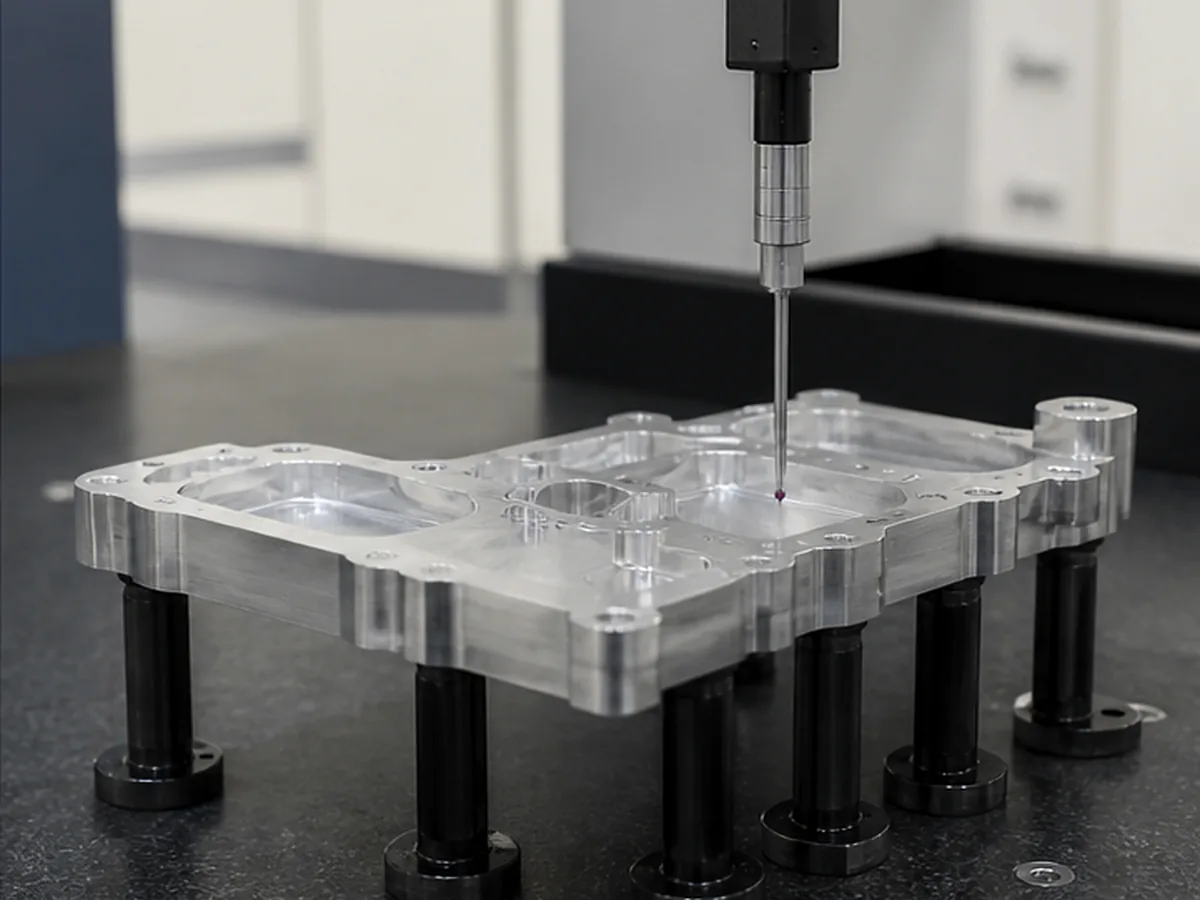
Common Aluminum Grades
| Grade | Often selected for | Important boundary |
|---|---|---|
| 6061-T6 | General housings, brackets, fixtures and machined structures | Moderate strength; define finish and cosmetic expectations |
| 7075-T6 | Higher strength-to-weight structural parts | Higher cost and different corrosion/finishing considerations |
| 2024 | Strength and fatigue-related applications | Corrosion protection and grade condition require attention |
| 5052/5083 | Corrosion-focused or plate applications | Machining behavior differs from 6061; exact stock matters |
| 6063/6082 | Profiles or structural applications depending on region | Availability and temper must be confirmed |
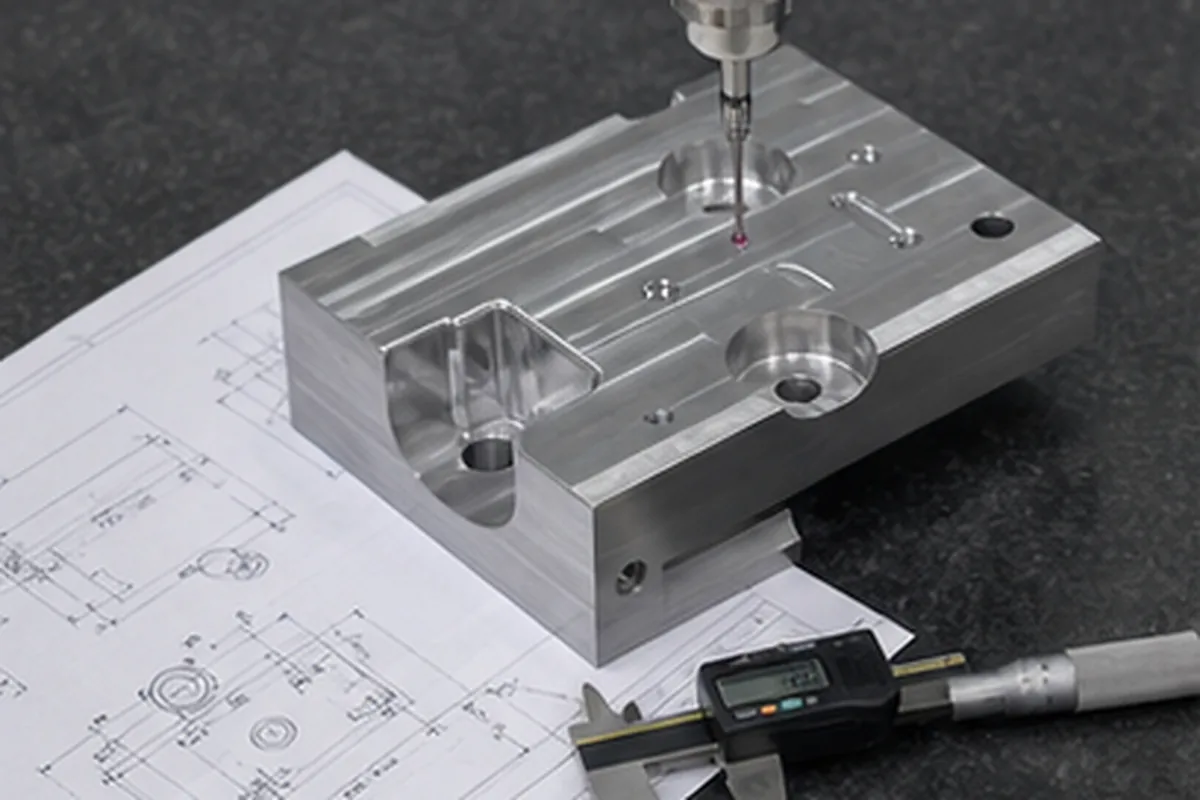
Why Aluminum Parts Still Distort
Aluminum is generally machinable, but thin walls, large pockets and uneven stock removal can release residual stress. Stable results may require balanced roughing, intermediate relaxation, controlled clamping, finish allowance or a different stock condition. “Aluminum is easy to machine” does not remove these risks.
Design and Tolerance Review
- Use practical internal radii to avoid long, flexible tools.
- Identify thin walls and functional flatness explicitly.
- Apply tight tolerances only to functional features.
- Specify datum relationships for multi-face parts.
- Account for anodizing on holes, threads and mating faces.
Surface Finishes
Common options include as-machined, bead blasting, Type II or Type III anodizing, chemical conversion, electroless nickel, powder coating, painting, brushing and polishing. Finish availability and source are project-dependent. Color and texture should be controlled by specification or approved sample, not screen appearance.
Material and Quality Documents
State alloy, temper and governing standard on the RFQ. Request MTC, traceability, RoHS/REACH or finish certificates before ordering. XRF cannot confirm every aspect of alloy temper or mechanical condition, so the correct source documentation remains important.
When Another Material May Be Better
Consider stainless steel or alloy steel for higher wear or stiffness, copper for conductivity, titanium for selected strength/corrosion needs, or engineering plastic for insulation and low friction. The decision depends on the complete service environment.
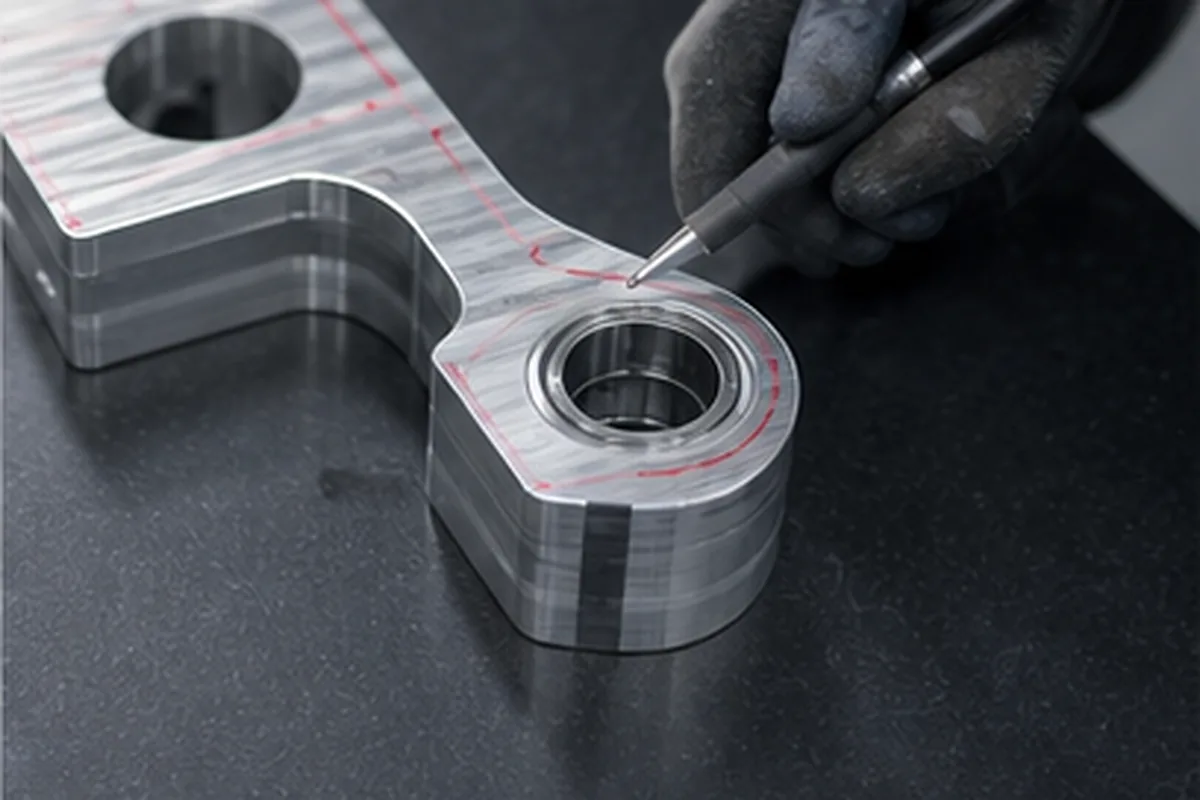
Standards and Regulatory Sources Used on This Page
For Aluminum CNC Machining for Lightweight Custom Parts, these primary sources define the scope of cited standards or regulations. They do not prove Formexi certification, a customer approval or project compliance; those require current, scope-matched records.
How We Control the Buyer Risk in Aluminum CNC Machining for Lightweight Custom Parts
The purchasing issue behind Aluminum CNC Machining for Lightweight Custom Parts is that light-alloy parts can distort after heavy stock removal and can be marked during machining, finishing or packing; as a result, scratches, released stress, thin-wall movement and finish variation can delay assembly approval. Our response is to reviews temper and stock form, balances material removal, controls support and handling, and links anodize or conversion-coating allowance to the critical dimensions. The objective is to protect assembly and validation schedules while reducing preventable scrap, rework and supplier-change risk.
For the Aluminum CNC Machining for Lightweight Custom Parts buying decision, before we confirm price or delivery, the buyer should send the exact alloy and temper, stock direction, wall and pocket geometry, cosmetic zones, post-finish fits, quantity and inspection condition. If a requirement cannot yet be verified, we keep it as an open condition instead of presenting it as a guaranteed result.
Choose an Aluminum Grade for the Actual Requirement
Upload the drawing and identify load, environment, finish, quantity and critical dimensions.