

Communications Hardware
CNC Machining for Telecommunications Equipment Components
Formexi machines enclosures, antenna mounts, heat-management parts, connector panels and structural components for telecommunications equipment. Outdoor exposure, sealing, grounding, thermal transfer, cosmetic finish and repeat supply should be defined together.
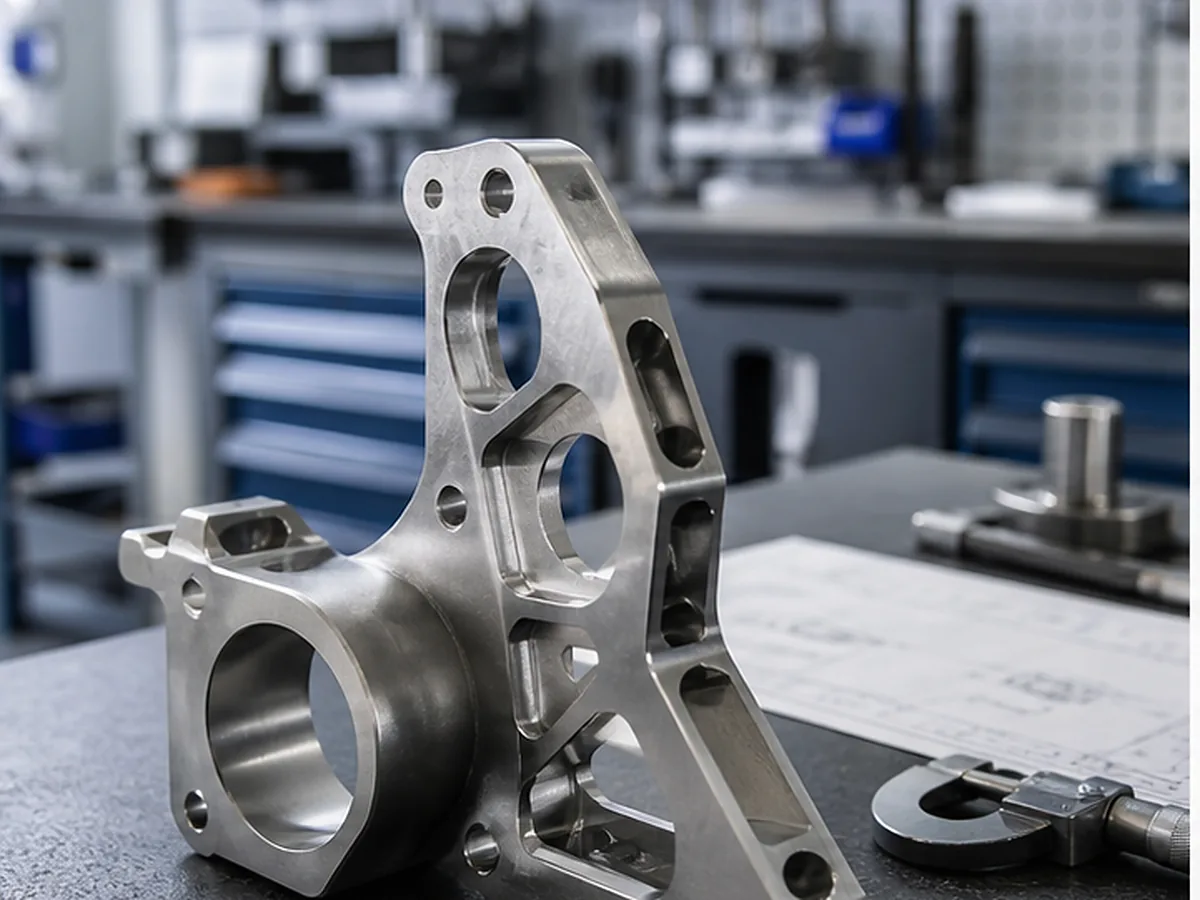
Components Commonly Evaluated
- Outdoor and indoor equipment housings
- Antenna, radio and sensor mounting components
- Heat sinks and thermal spreaders
- Connector and cable-entry interfaces
- Grounding, shielding and conductive hardware
- Installation brackets and structural adapters
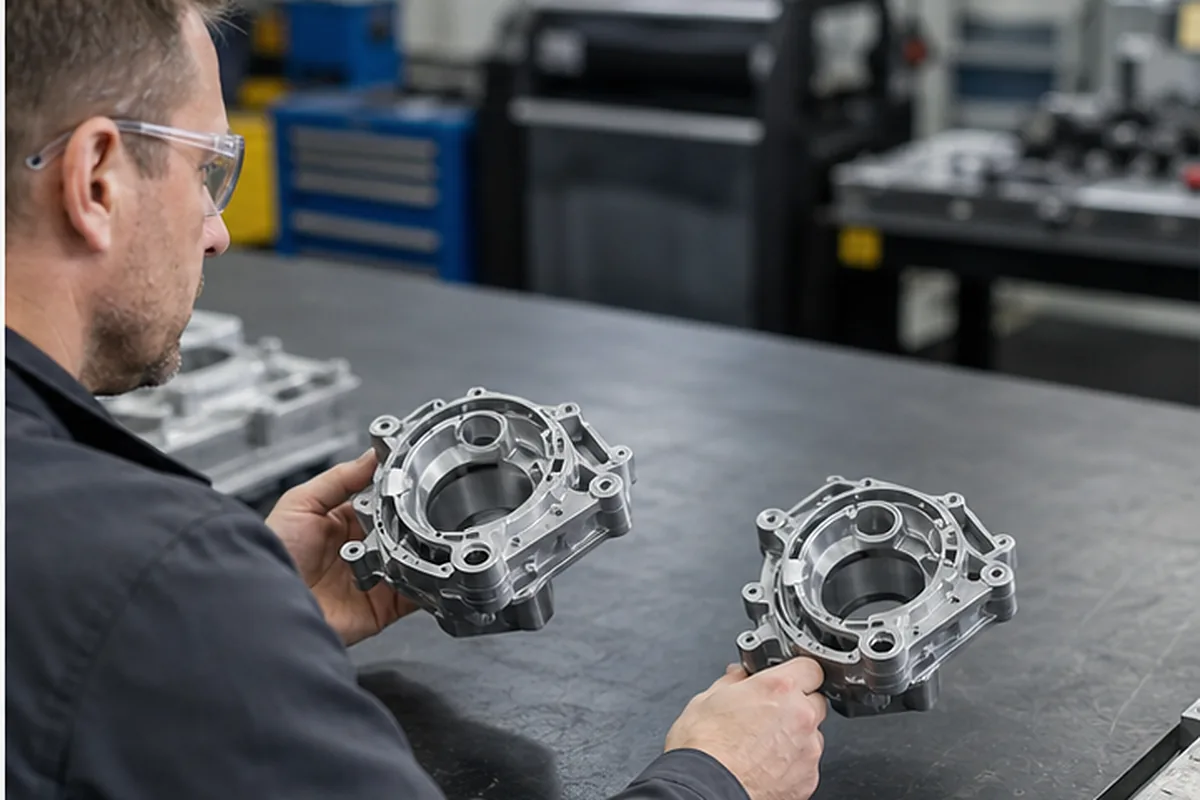
Outdoor Equipment Questions
| Requirement | Manufacturing implication |
|---|---|
| Rain/dust sealing | Gasket groove, flatness, finish and assembly validation |
| UV/corrosion exposure | Material, pretreatment, coating and test standard |
| Thermal cycling | Material expansion, interface and coating behavior |
| Grounding/EMC | Conductive surfaces, masking and complete-system testing |
| Field installation | Fastener access, labeling and packaging |
Materials and Finishes
Aluminum supports lightweight housings and heat transfer; stainless may suit selected corrosion requirements; copper supports conductive paths; engineering plastics support insulation. Anodizing, chemical conversion, powder coating and plating must account for grounding and mating surfaces.
Performance Boundary
An IP, EMC, RF or environmental rating belongs to the complete product and test, not the machined component alone. Our manufacturing plan follows the approved mechanical requirements, while any additional test is included only after its method, equipment, acceptance rule and reporting scope are separately confirmed.
Repeat Production
Color batch, mask areas, connector alignment, packaging and revision control become important when installations use interchangeable components. Provide forecast and approved samples before scheduled production.
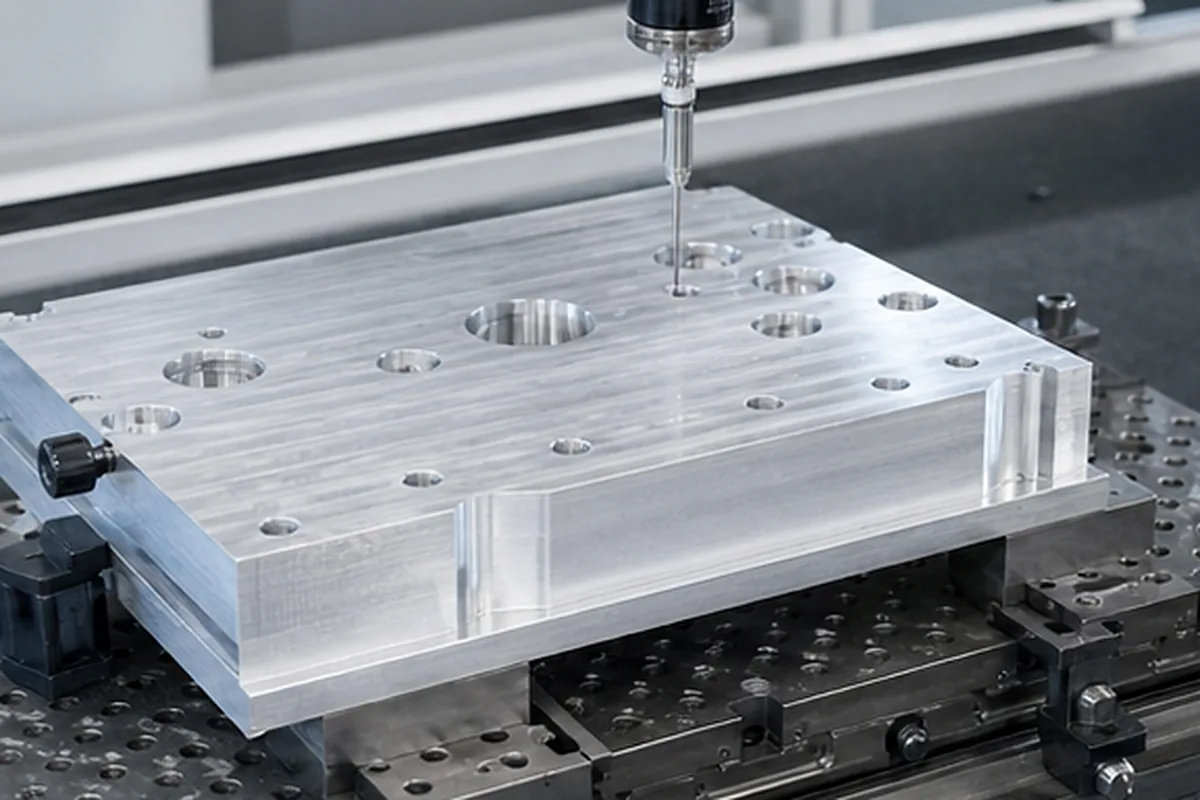
Our Review Method for CNC Machining for Telecommunications Equipment Components Requirements
The purchasing issue behind CNC Machining for Telecommunications Equipment Components is that buyers can overpay or lose datum consistency when a process is chosen from a machine label instead of the part geometry; as a result, unnecessary setups or an unjustified high-end route can add cost without improving the functional result. Our response is to compares rotational versus prismatic geometry, feature access, datum relationships, workholding, batch size and measurement access before selecting milling, turning or a combined route. The objective is to protect assembly and validation schedules while reducing preventable scrap, rework and supplier-change risk.
For the CNC Machining for Telecommunications Equipment Components buying decision, before we confirm price or delivery, the buyer should send the 2D drawing and 3D model, overall size, material state, critical datums and tolerances, quantity, finish and inspection documents. If a requirement cannot yet be verified, we keep it as an open condition instead of presenting it as a guaranteed result.
Review the Environmental and Electrical Interfaces
Send enclosure, connector, grounding, thermal, sealing and outdoor requirements.