

Robotics and Motion Systems
CNC Machining for Robotics and Automation Components
Formexi machines custom brackets, housings, shafts, adapters, end-effector parts and fixtures for robotics and automation projects. Engineering review focuses on motion alignment, weight, bearing and motor interfaces, cable access, repeatability and controlled design revisions.
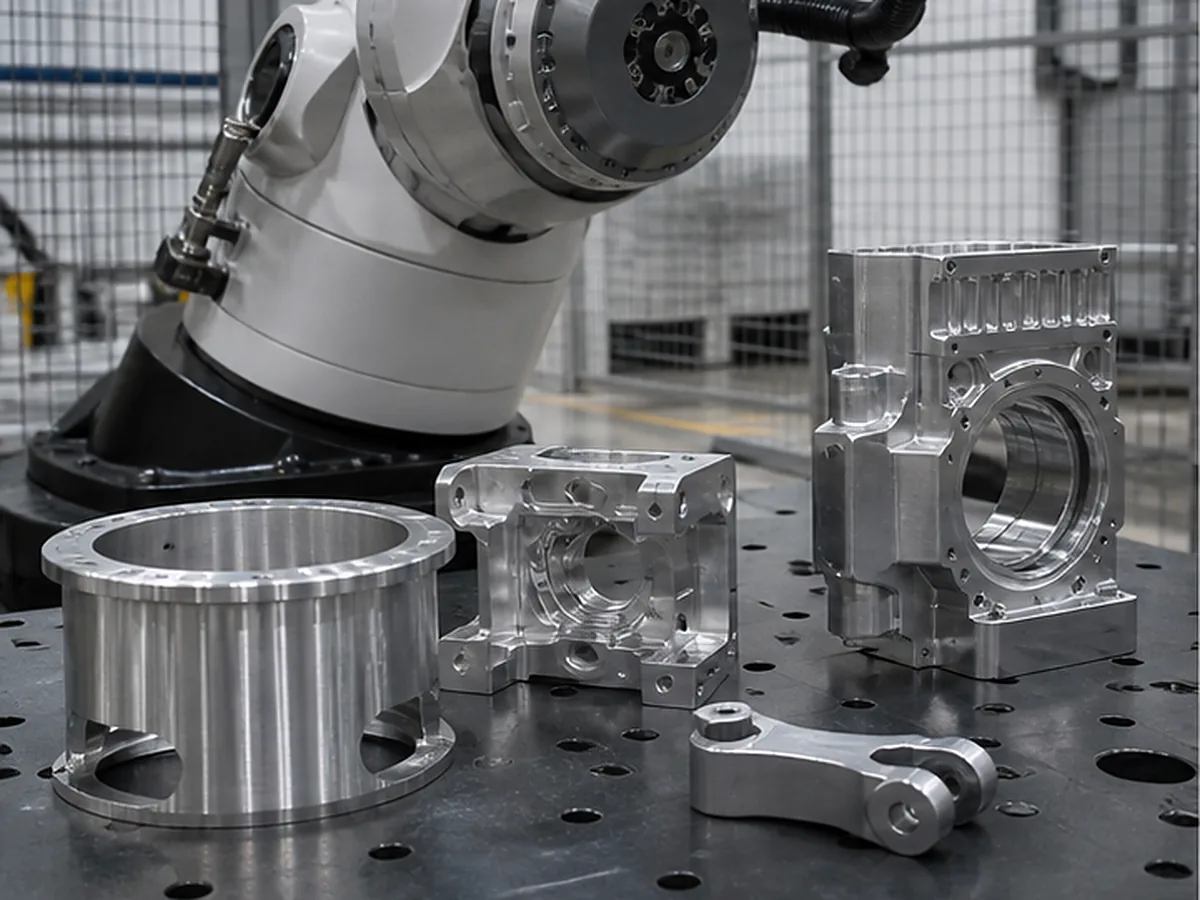
Components Commonly Evaluated
- Robot joint and actuator housings
- Motor, gearbox, bearing and sensor mounts
- End-effector and gripper bodies
- Camera, vision and calibration brackets
- Shafts, pins, bushings and couplings
- Jigs, nests and automated handling fixtures
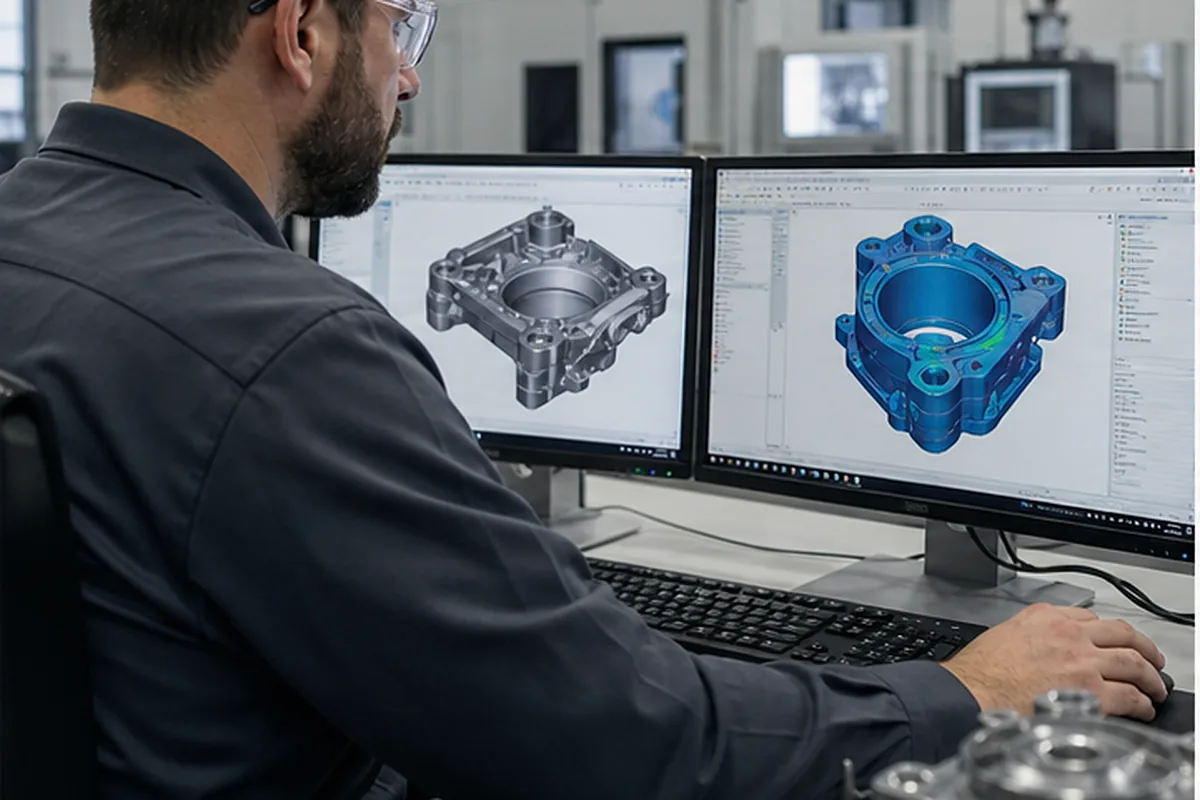
Functional Requirements
| Interface | Manufacturing focus |
|---|---|
| Motor/gearbox pilot | Bore, face, runout and hole-pattern relationship |
| Bearing seat | Fit, shoulder, coaxiality and roughness |
| Sensor/camera mount | Position, angle, stiffness and adjustability |
| Moving structure | Weight, inertia, rigidity and cable clearance |
| End effector | Tool center, repeatable datum and replaceable wear interfaces |
Materials and Finishes
6061 aluminum is common for lightweight structures and anodized housings; 7075 may be considered for higher load; steel supports stiffness and wear; stainless supports selected environments; POM, nylon or PEEK can serve low-friction or insulated interfaces. The assembly load and environment determine selection. Specify the governing process type or class, thickness or dimensional effect, masking and acceptance criteria for the actual project.
Prototype Iteration and Revision Control
Robotics hardware often changes during commissioning. Formexi can support one-off validation and low-volume batches, but every change should receive a controlled drawing revision. Programs, inspection and packaging should be reviewed again before repeat production.
Common DFM Problems
- Motor or bearing interfaces dimensioned from unrelated datums
- Thin lightweight walls that move after pocketing
- Fasteners or cables without assembly tool clearance
- Overtight tolerances on nonfunctional exterior features
- Anodizing not included in fits and grounding surfaces
Evidence Boundary
For supplier qualification, request an authorized and anonymized robotics example tied to its material, process, critical characteristic and inspection record. Customer logos, drawings and performance results require written permission.
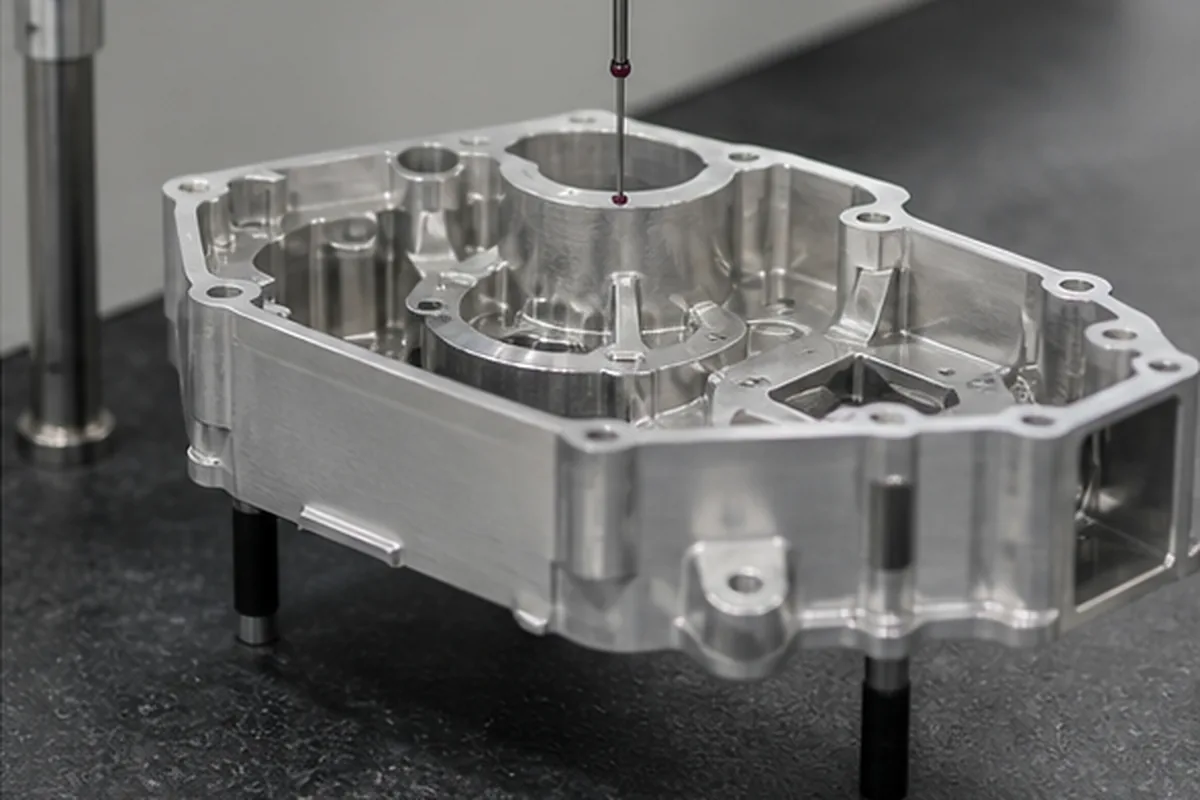
Our Review Method for CNC Machining for Robotics and Automation Components Requirements
A useful supplier solution for CNC Machining for Robotics and Automation Components starts when buyers can overpay or lose datum consistency when a process is chosen from a machine label instead of the part geometry. Because unnecessary setups or an unjustified high-end route can add cost without improving the functional result, our project review compares rotational versus prismatic geometry, feature access, datum relationships, workholding, batch size and measurement access before selecting milling, turning or a combined route. That approach helps the buyer avoid paying for the wrong process and lowers the chance of discovering a critical issue after machining or finishing.
For the CNC Machining for Robotics and Automation Components buying decision, our review needs the 2D drawing and 3D model, overall size, material state, critical datums and tolerances, quantity, finish and inspection documents. We record assumptions, approval points and evidence requirements before the quotation becomes the production baseline.
Review the Motion Interface, Not Only the Part
Send mating motor, bearing, sensor or robot data with load, quantity and critical alignment.