

Research Hardware
CNC Machining for Research and Laboratory Equipment
Formexi supports one-off and low-volume components for laboratory instruments, test rigs and research equipment. These projects often combine incomplete design information, frequent revisions, unusual materials and tight interfaces, making engineering clarification and version control as important as machining.
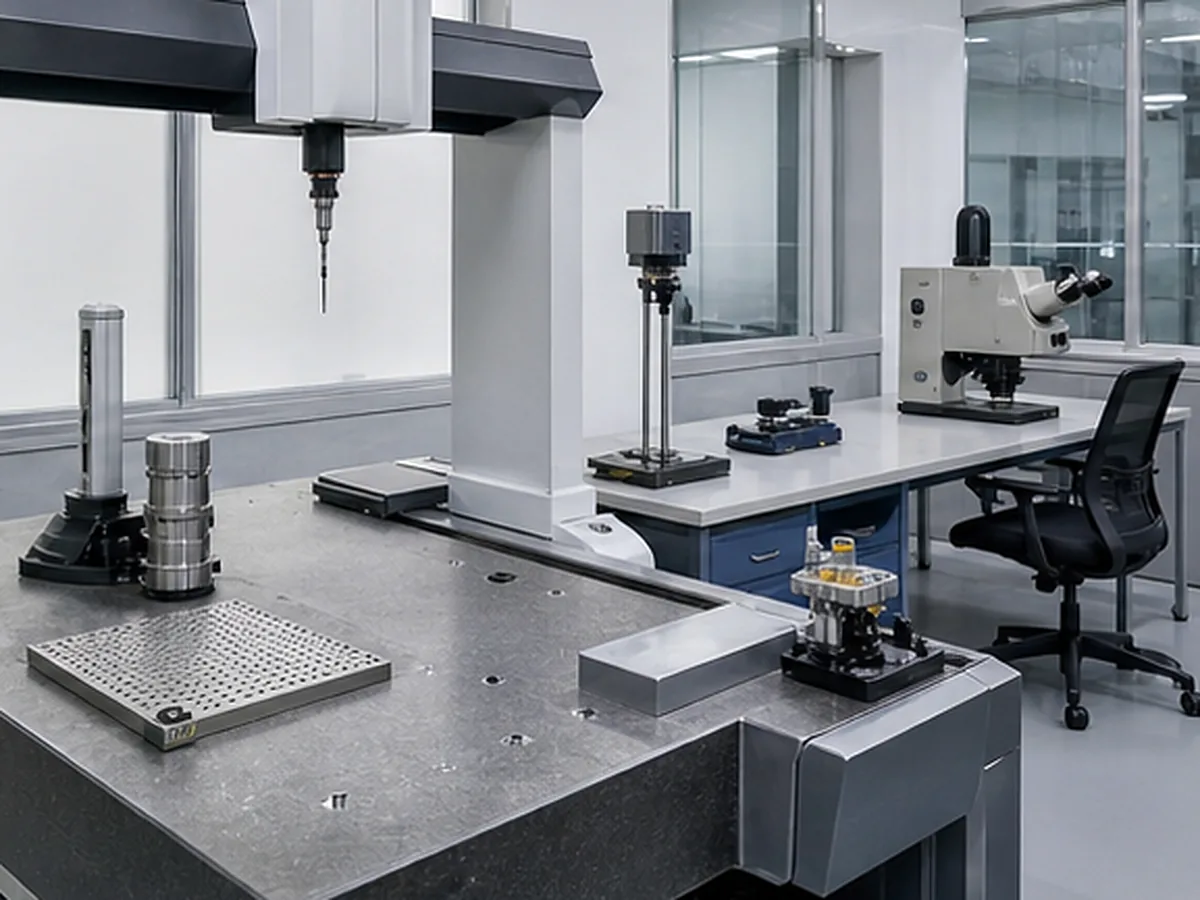
Components Commonly Evaluated
- Instrument frames, housings and mounting plates
- Sensor, detector and camera mounts
- Sample holders, stages and alignment components
- Fluid blocks, manifolds and laboratory fittings
- Vacuum-related mechanical components subject to review
- Custom jigs, test fixtures and prototype mechanisms
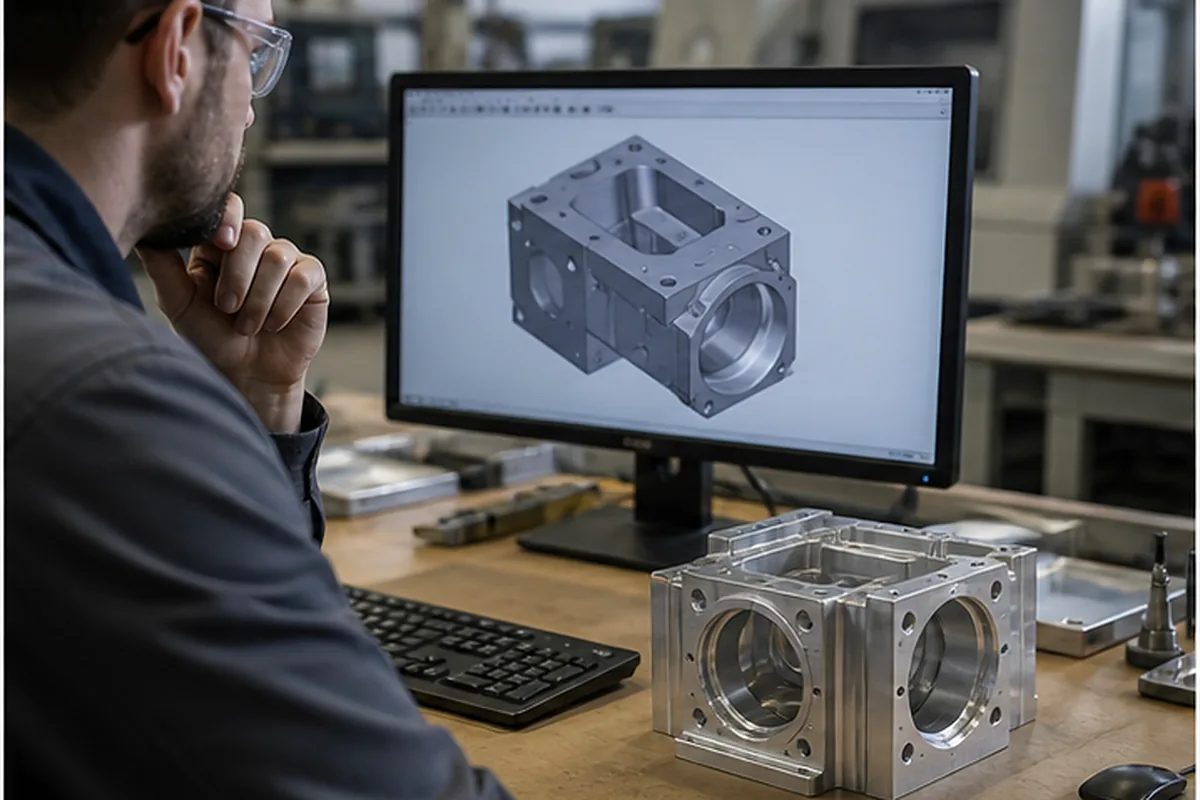
Development-Stage Priorities
| Project condition | Recommended control |
|---|---|
| Design still changing | Separate validation dimensions from production optimization. |
| One-off hardware | Avoid unnecessary fixture and cosmetic cost. |
| Unusual material | Confirm source, condition, machinability and documentation. |
| Critical alignment | Define physical datums and measurement method. |
| Future repeat need | Control revision and capture prototype feedback. |
Materials and Special Conditions
Aluminum, stainless, copper, brass, POM, PEEK and other engineering materials are reviewed according to temperature, chemical exposure, conductivity, vacuum, cleanliness and motion needs. Specialty-grade claims require supplier documentation.
Vacuum and Cleanliness Boundary
Dimensional conformity alone does not establish vacuum compatibility, outgassing or cleanroom suitability. Buyers must specify leakage, material, cleaning, packaging and validation requirements. Formexi does not claim cleanroom or helium-leak-test capability until verified.
Useful DFM Inputs
Explain what the experiment must validate, which dimensions are adjustable, what components mate to the part and which surfaces cannot be changed. This allows engineering to reduce cost without compromising the test objective.
Tell Us What the Experiment Must Prove
Send the model, drawing, functional interfaces, environment, quantity and revision stage.