

Energy Systems
CNC Machining for Energy Equipment Components
Formexi evaluates custom parts for battery, power-conversion, thermal-management and industrial energy equipment. Because “energy” covers very different systems, material, voltage, temperature, corrosion, fluid, fire and regulatory requirements must be defined for the actual component.
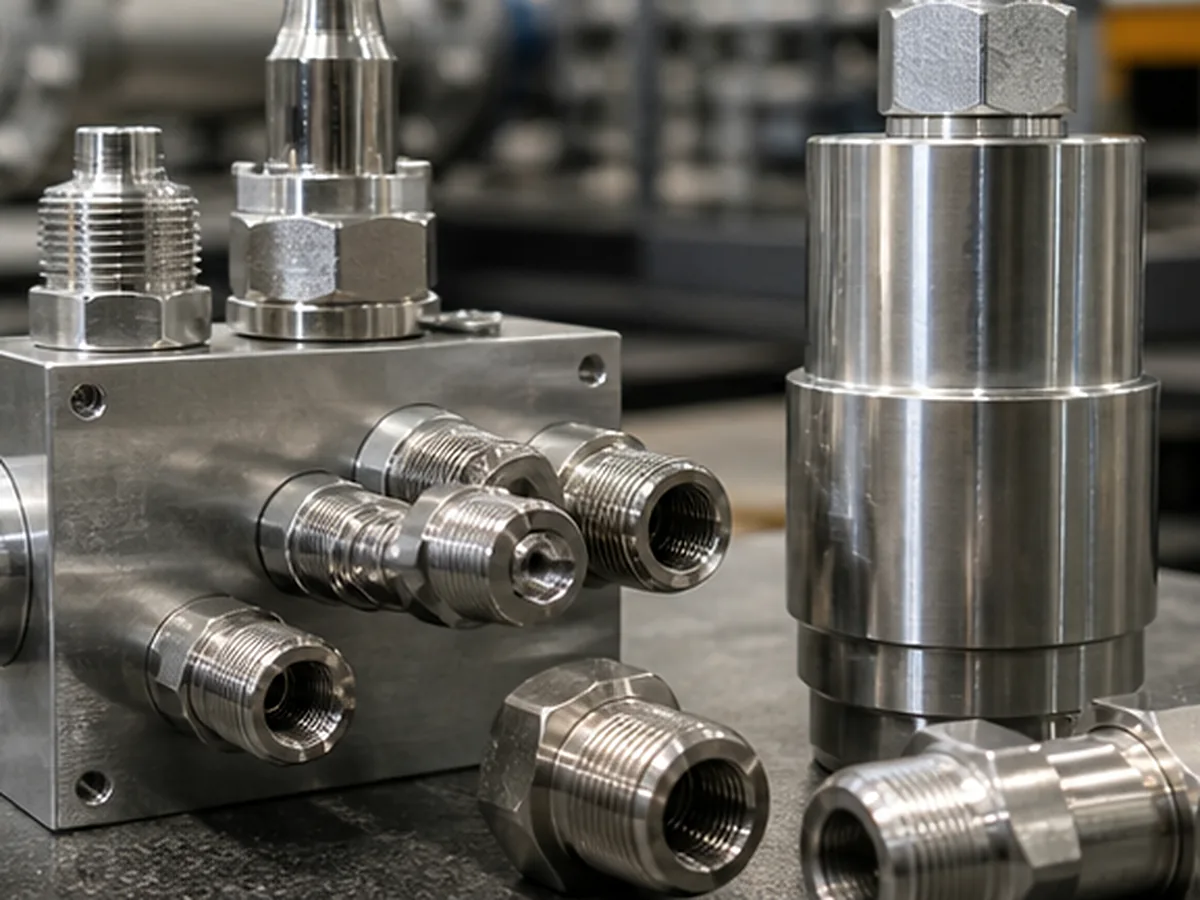
Components That May Be Evaluated
- Battery and power-electronics enclosures
- Busbars, conductive plates and connector components
- Heat sinks, cold-plate bodies and thermal mounts
- Insulating spacers and engineering-plastic parts
- Sensor, pump, valve and equipment brackets
- Assembly, welding and test fixtures
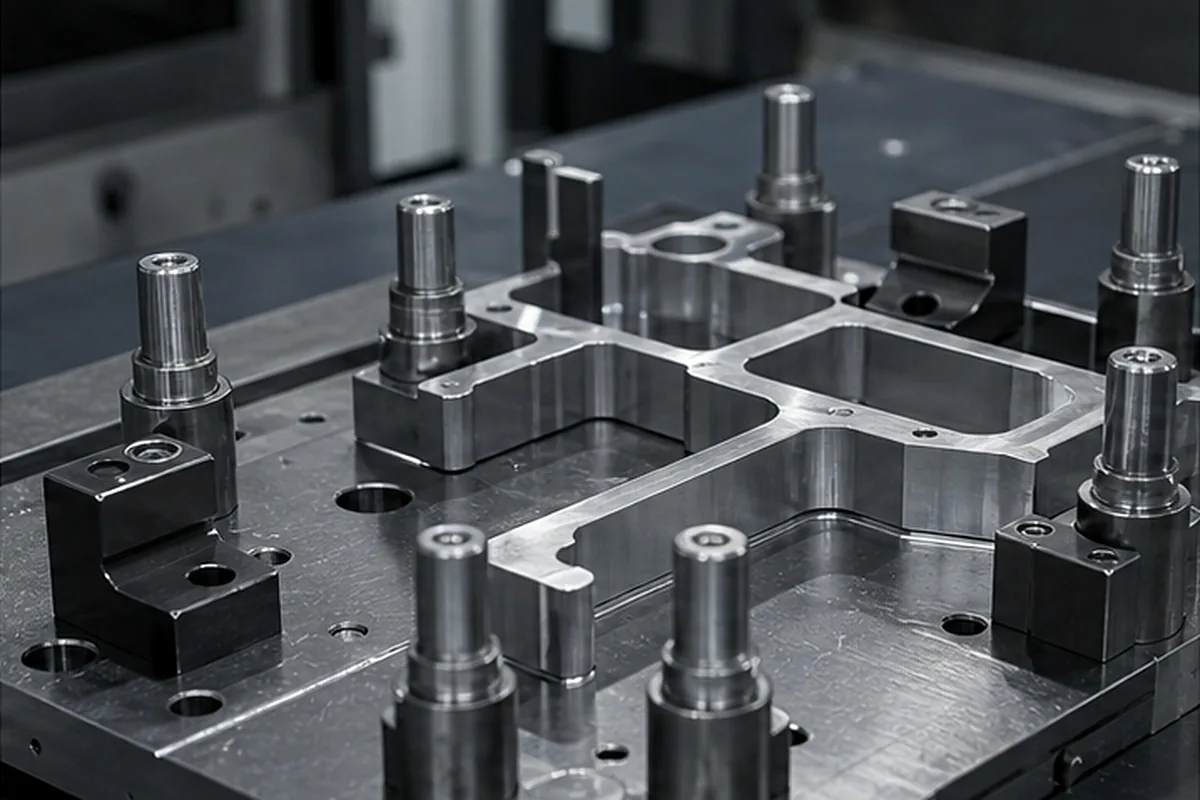
Functional Requirements
| Function | Manufacturing concern |
|---|---|
| Electrical conduction | Material grade, contact face, plating and joint geometry |
| Electrical insulation | Polymer grade, creepage/clearance and compliance |
| Thermal transfer | Flatness, roughness, coolant route and system validation |
| Outdoor corrosion | Material, pretreatment, coating and test standard |
| Fluid containment | Sealing, cleanliness and verified leak/pressure test |
Materials
Aluminum supports lightweight structures and thermal parts; copper supports conductivity; stainless or steel supports strength and selected environments; POM, PEEK and other polymers support insulation or fluid functions. Restricted-substance, flame and electrical-grade claims require exact supplier documentation.
Safety and Performance Boundary
A machined component does not establish battery safety, electrical insulation rating, pressure rating, thermal performance or fire compliance. These belong to the complete design and validation unless a separately verified test scope is agreed.
Evidence Required
Before this page is promoted broadly, Formexi should supply actual energy-equipment components, material/finish data, critical requirements and approved photographs.
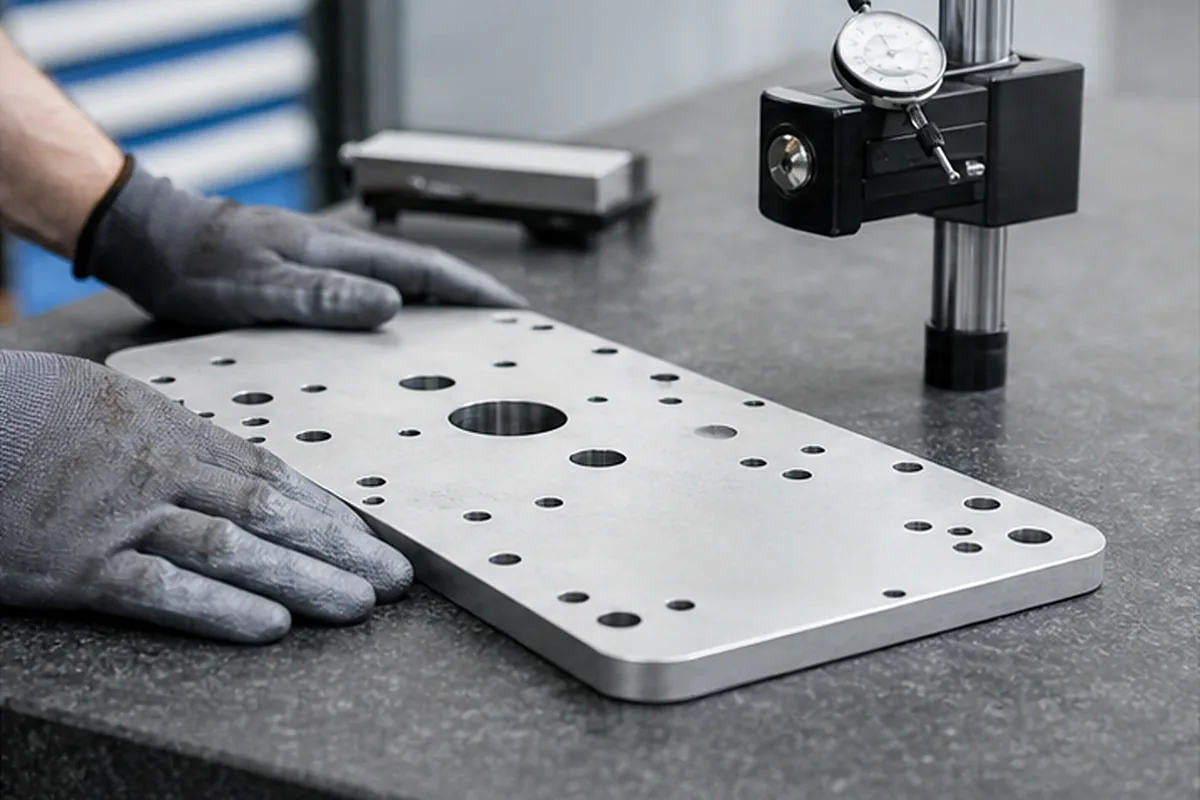
From CNC Machining for Energy Equipment Components Requirements to a Controlled Manufacturing Plan
A useful supplier solution for CNC Machining for Energy Equipment Components starts when buyers can overpay or lose datum consistency when a process is chosen from a machine label instead of the part geometry. Because unnecessary setups or an unjustified high-end route can add cost without improving the functional result, our project review compares rotational versus prismatic geometry, feature access, datum relationships, workholding, batch size and measurement access before selecting milling, turning or a combined route. That approach helps the buyer avoid paying for the wrong process and lowers the chance of discovering a critical issue after machining or finishing.
For the CNC Machining for Energy Equipment Components buying decision, our review needs the 2D drawing and 3D model, overall size, material state, critical datums and tolerances, quantity, finish and inspection documents. We record assumptions, approval points and evidence requirements before the quotation becomes the production baseline.
Define the Energy Function Precisely
Send voltage/current, temperature, environment, fluid, material, finish and compliance requirements.