

Small Feature Control
CNC Machining for High-Precision Small Parts
Formexi evaluates small milled and turned components where workholding, micro-tools, burrs, thread quality and measurement access can be more restrictive than overall size. The process may use conventional CNC, Swiss-type capacity, EDM or grinding according to geometry, quantity and tolerance.
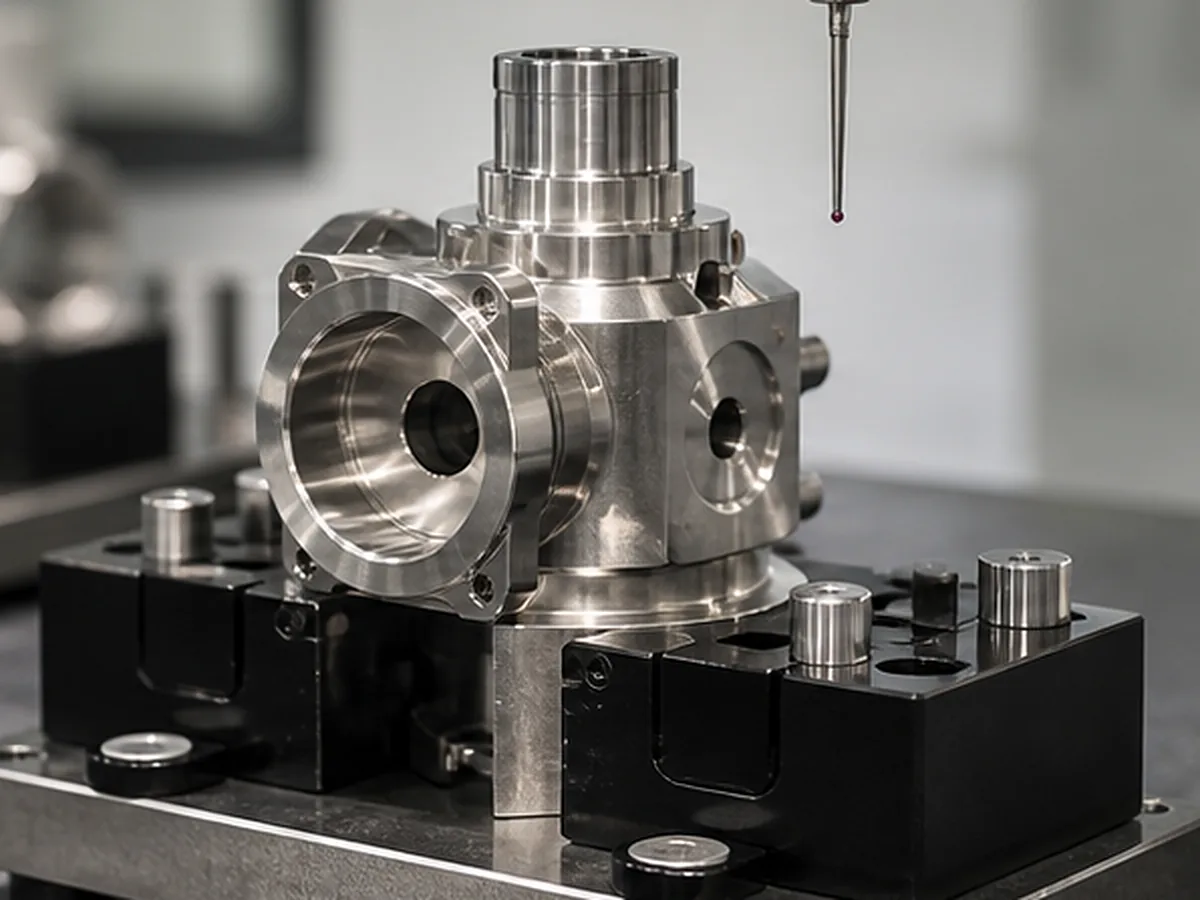
Typical Small Components
- Pins, miniature shafts, sleeves and connectors
- Sensor, instrument and electronic components
- Small brackets, mounts and adjustment parts
- Fine holes, slots, threads and electrode features
- Precision plastic insulators and low-friction parts
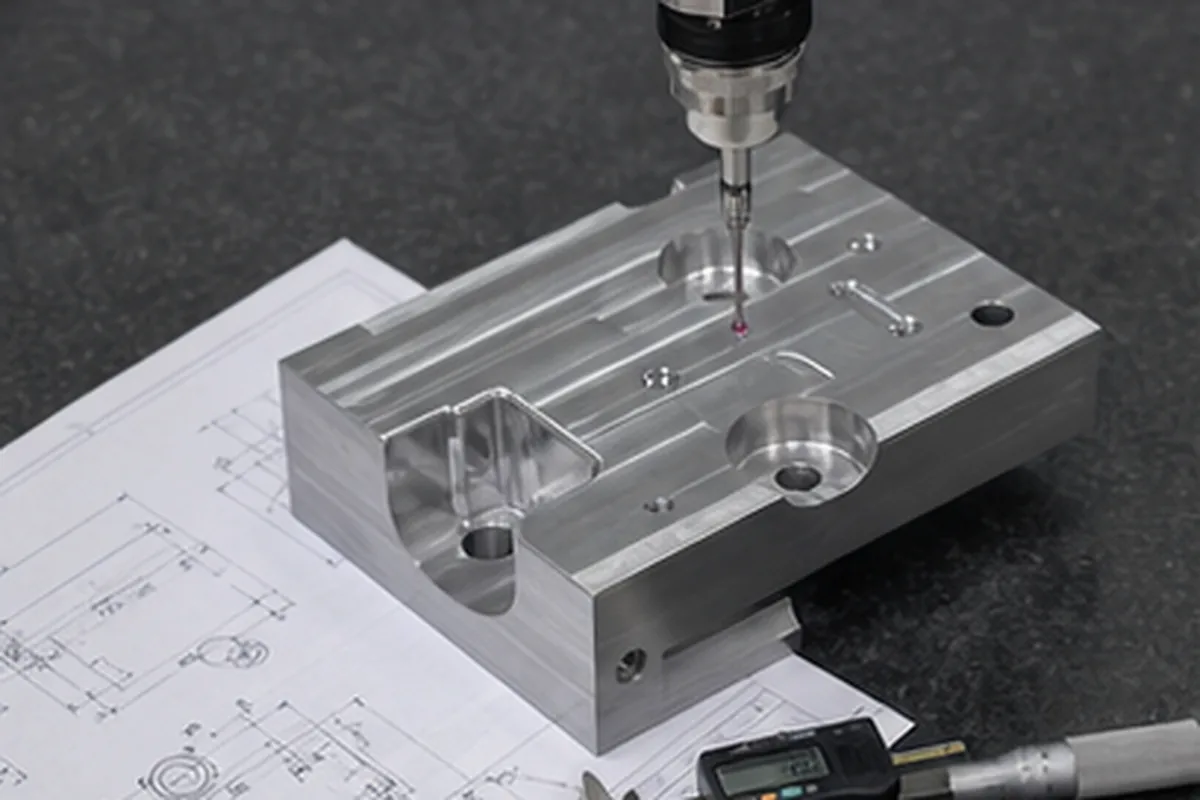
Small Does Not Mean Easy
| Feature | Risk |
|---|---|
| Fine hole/thread | Tool breakage, burrs and limited gauge access |
| Thin section | Clamping and handling deformation |
| Short critical distance | Measurement uncertainty becomes a larger share of tolerance |
| Small cosmetic part | Handling marks dominate visible area |
| High repeat quantity | Automation and inspection economics become central |
Process Selection
Short prototypes may suit conventional turning or milling. Long small-diameter repeat parts may suit Swiss machining. Sharp internal profiles may require EDM. Hardened diameters may require grinding. Each conditional process must be verified rather than assumed available.
Burr and Edge Requirements
General “deburr” language may be insufficient for miniature passages, threads or electrical contacts. Define allowed edge break, magnification, loose-particle limits and edges that must remain sharp.
Inspection Boundary
Minimum feature, resolution and access must match the instrument. A quoted tolerance is not credible if it cannot be measured with appropriate uncertainty. Exact Formexi micro-machining and metrology limits remain pending equipment audit.
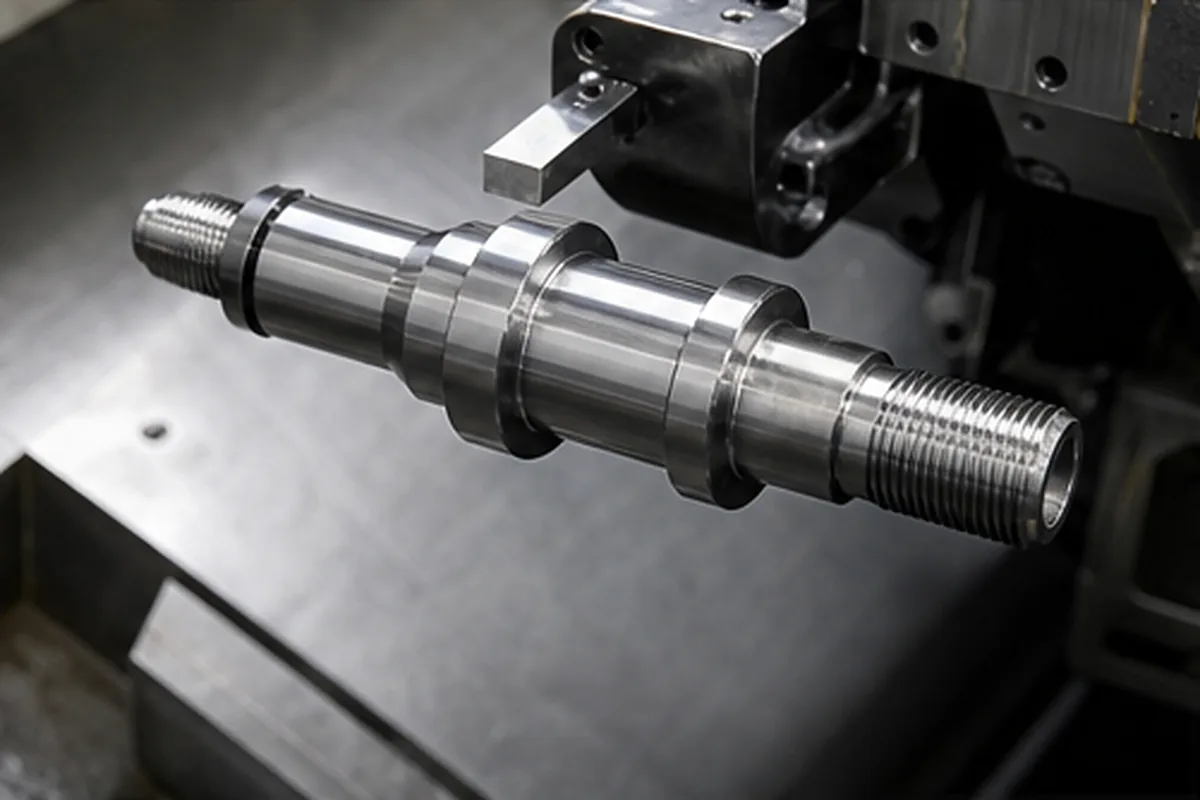
Confirm the Process for CNC Machining for High-Precision Small Parts
For CNC Machining for High-Precision Small Parts, submit the 2D drawing and 3D model with matching revision, exact material and condition, quantity and repeat demand. Identify relevant datums, critical tolerances, GD&T, threads, difficult-access geometry, thin walls, roughness, heat treatment and finish requirements.
The route for CNC Machining for High-Precision Small Parts may require multiple setups, dedicated workholding, intermediate inspection or a justified secondary process. Select grinding, EDM, stress relief or post-finish verification only when the geometry and function require it; machine axis count alone does not establish final capability.
Send Enlarged Details and Inspection Needs
Provide material, quantity, smallest features, burr standard, tolerances and annual demand.