

Combined Turning and Milling
Mill-Turn Machining for Complex Rotational Components
Mill-turn machining combines turning with selected milling, drilling or cross-hole operations for rotational parts. It is considered when completing features in fewer transfers can improve alignment or reduce handling. Formexi confirms machine source and part-size limits for each project.
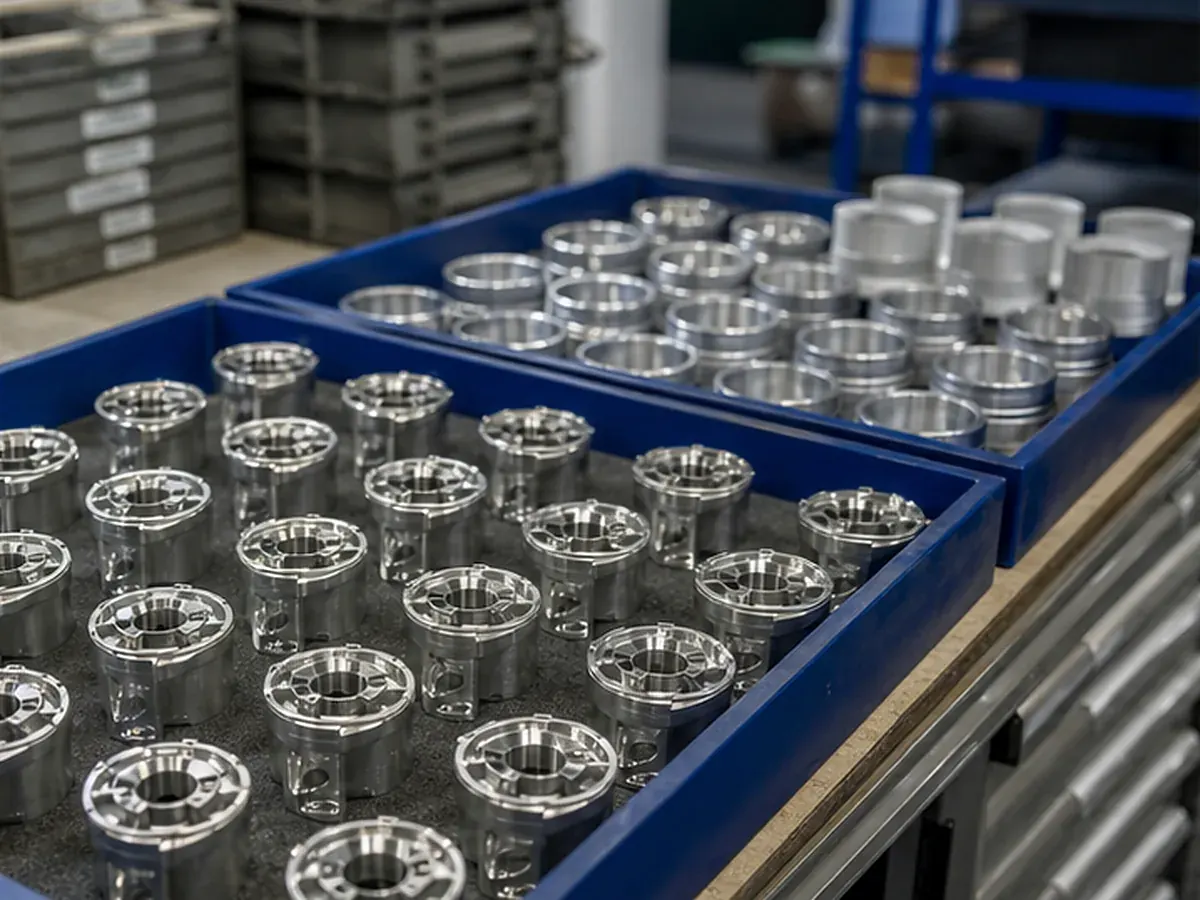
Parts That May Benefit
- Connectors and fittings with flats, slots or cross-holes
- Complex shafts with milled keyways or radial features
- Valve and fluid-control components
- Rotational parts requiring controlled feature orientation
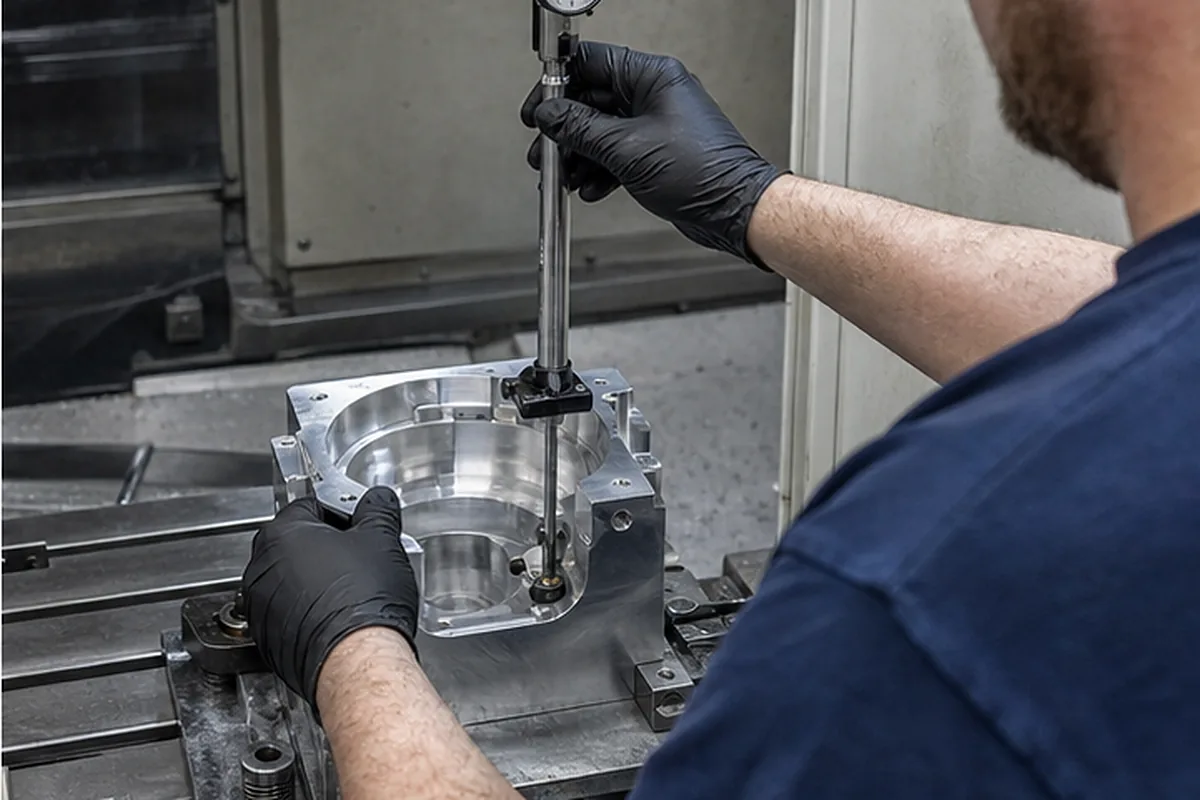
Why Combine Processes
Moving a part between separate turning and milling machines can introduce extra setup, datum-transfer and handling risk. A combined process may improve feature relationships, but it can also increase machine cost and programming complexity. Quantity and geometry determine whether the benefit is real.
Engineering Review
| Item | Review question |
|---|---|
| Turned datum | Which diameter or face controls milled features? |
| Radial/axial features | Can the machine and tooling reach them without a second process? |
| Part transfer | Is a sub-spindle or secondary setup required? |
| Quantity | Does setup reduction justify programming and machine cost? |
| Inspection | How will orientation and runout be verified? |
When Separate Operations May Be Better
Simple turned parts with one or two noncritical milled features may be more economical using separate machines. Grinding, EDM or specialized finishing may still remain separate even when turning and milling are combined.
Capability Status
Exact live-tool, sub-spindle, Y-axis, diameter and length capability is pending equipment verification. The quotation must identify whether production uses Formexi equipment or approved network capacity.
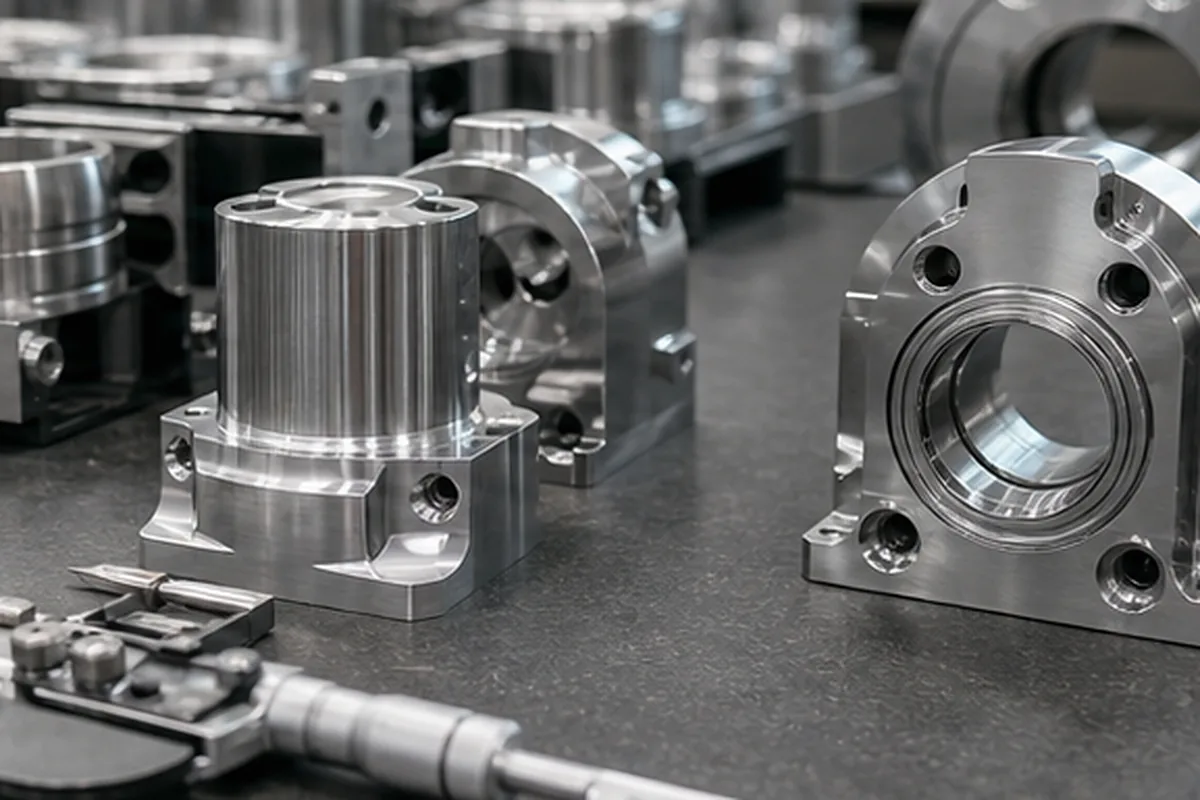
Confirm the Process for Mill-Turn Machining for Complex Rotational Components
For Mill-Turn Machining for Complex Rotational Components, submit the 2D drawing and 3D model with matching revision, exact material and condition, quantity and repeat demand. Identify relevant datums, critical tolerances, GD&T, threads, difficult-access geometry, thin walls, roughness, heat treatment and finish requirements.
The route for Mill-Turn Machining for Complex Rotational Components may require multiple setups, dedicated workholding, intermediate inspection or a justified secondary process. Select grinding, EDM, stress relief or post-finish verification only when the geometry and function require it; machine axis count alone does not establish final capability.
Compare Turning, Mill-Turn and Secondary Milling
Upload the model and identify feature orientation, runout, quantity and critical relationships.