

CNC Turning
Custom CNC Turning Services for Shafts and Rotational Parts
For shafts, pins, bushings, sleeves and fittings, isolated diameter checks do not prevent runout, thread or datum-related assembly problems. Our turning review connects outside and inside diameters, faces, bores, grooves and threads to material, workholding, quantity and the inspection datum, helping the buyer reduce fit variation and late gauge failures.
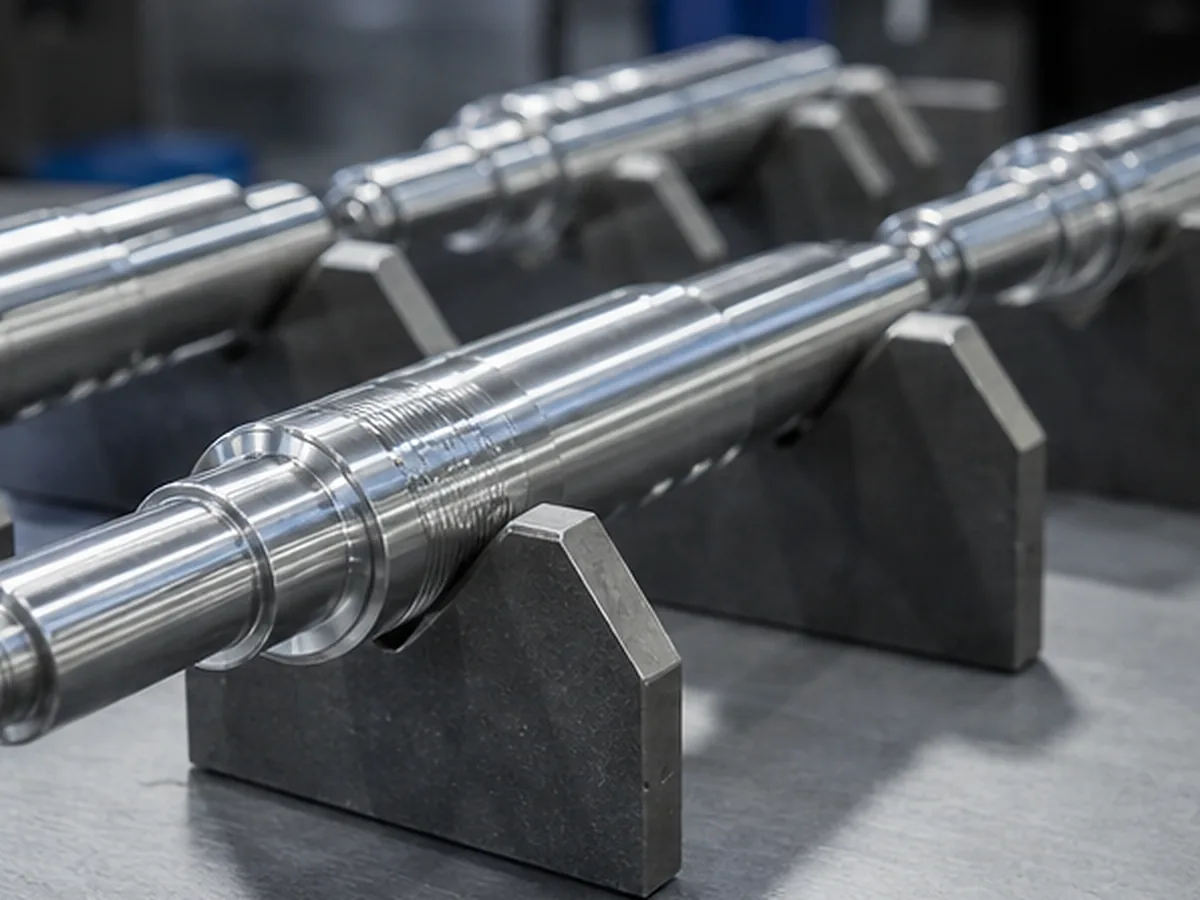
Parts Suited to CNC Turning
Shafts and Pins
Diameter, straightness, runout, thread and bearing surfaces require coordinated datums.
Bushings and Sleeves
Internal/external diameter relationship, wall thickness and material movement are central.
Fittings and Connectors
Threads, sealing features, concentricity and surface finish drive process and inspection.
Rotational Parts With Milled Features
Live-tool, mill-turn or secondary milling is reviewed where flats, slots or cross-holes are needed.
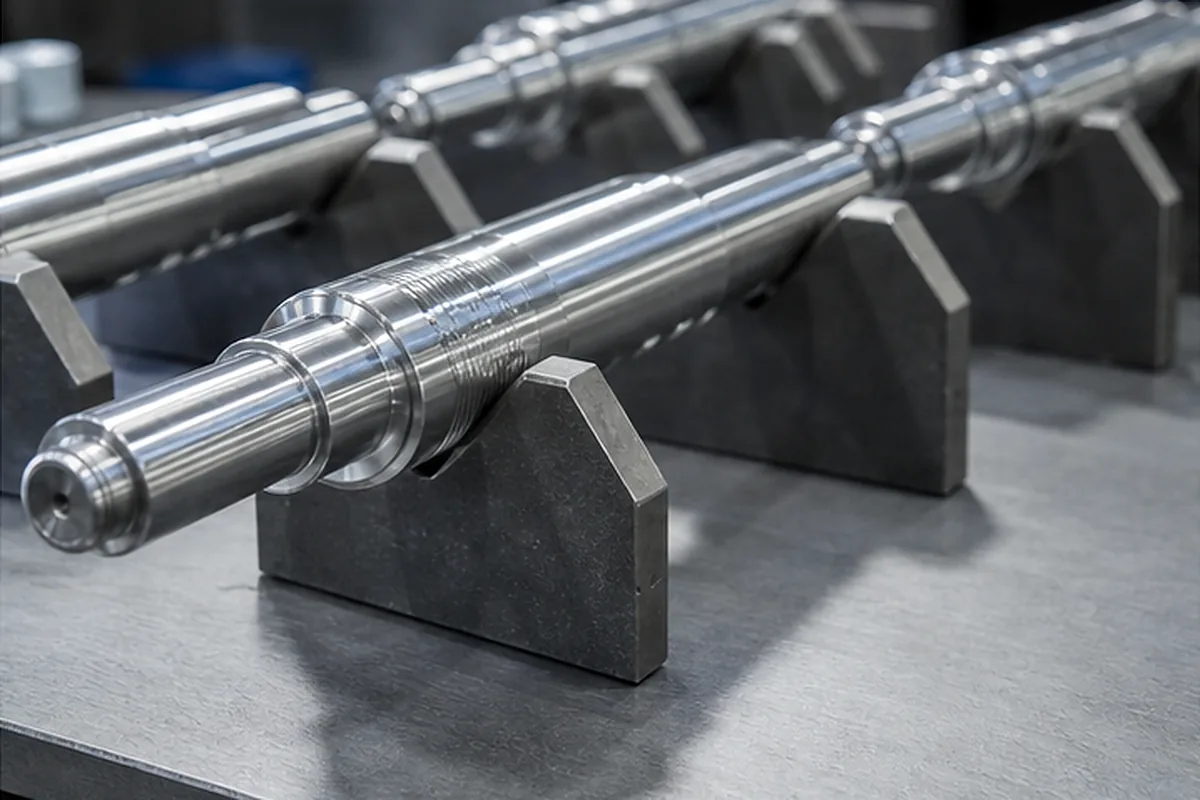
Information That Changes the Turning Process
| Requirement | Why it matters |
|---|---|
| Maximum diameter and length | Determines chucking, machine capacity and support. |
| Length-to-diameter ratio | Long slender parts may deflect and require support or staged machining. |
| Runout/concentricity | Changes datum, setup and inspection strategy. |
| Thin-wall bore | Clamping and material removal can distort the part. |
| Thread standard and class | Determines tooling and functional gauging. |
Materials and Surface Requirements
Common turning materials include aluminum, stainless steel, carbon/alloy steel, brass, copper and engineering plastics. Titanium, hardened steel, PEEK, PTFE and slender plastic parts require process-specific review for heat, tool wear, burrs and dimensional recovery.
Inspection
Diameters, lengths, bores, threads, runout and roughness may be checked with micrometers, bore gauges, plug/ring gauges, indicators, roughness equipment or CMM as appropriate. Exact inspection equipment remains subject to Formexi’s equipment audit.
Capability Boundaries
Maximum swing, turning diameter, length, bar capacity and live-tool capability must be verified by machine record before publication. Extremely long, small-diameter or tight-runout parts may require Swiss machining, grinding or a partner process.
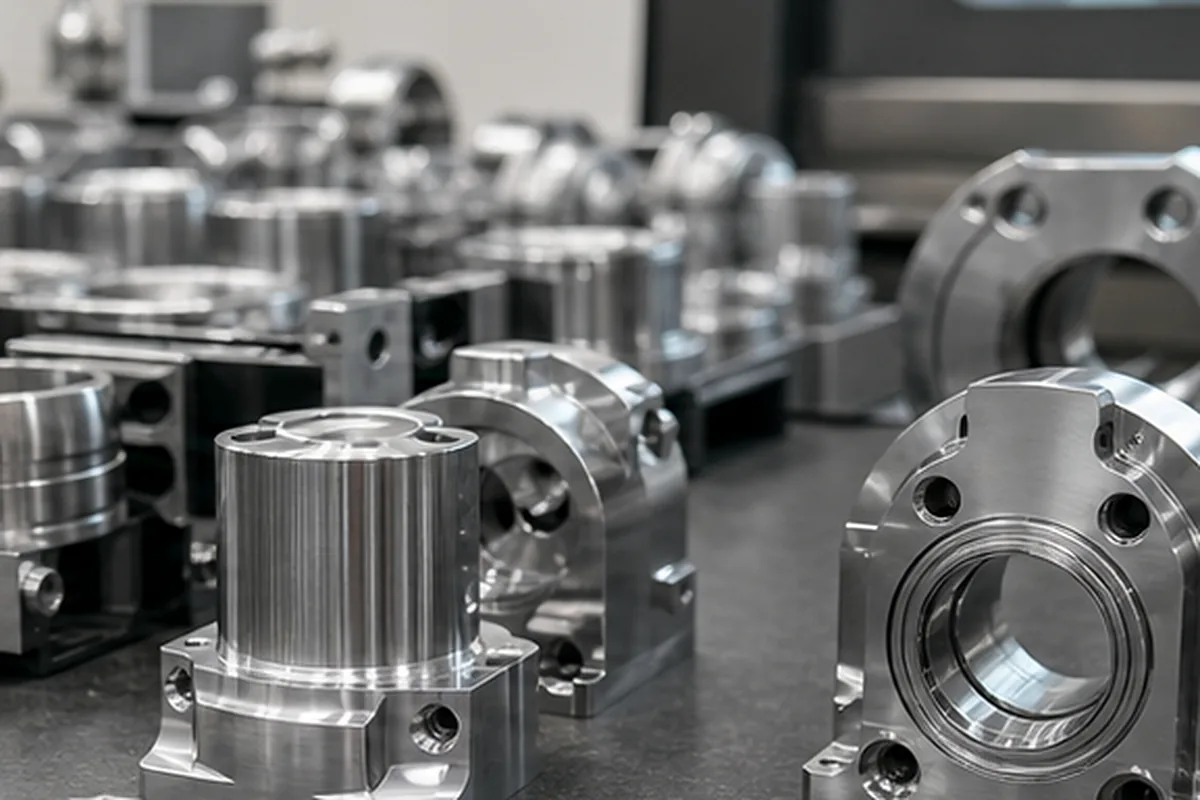
Our Review Method for Custom CNC Turning Services for Shafts and Rotational Parts Requirements
When buyers can overpay or lose datum consistency when a process is chosen from a machine label instead of the part geometry, unnecessary setups or an unjustified high-end route can add cost without improving the functional result. For Custom CNC Turning Services for Shafts and Rotational Parts, our engineering and quotation review compares rotational versus prismatic geometry, feature access, datum relationships, workholding, batch size and measurement access before selecting milling, turning or a combined route. This helps reduce rework, approval delays and avoidable purchasing cost without turning a screening assumption into a capability guarantee.
For the Custom CNC Turning Services for Shafts and Rotational Parts buying decision, we confirm the route only after reviewing the 2D drawing and 3D model, overall size, material state, critical datums and tolerances, quantity, finish and inspection documents. Any unresolved item is listed as an RFQ clarification so the buyer can compare scope, evidence, price and lead time on the same basis.
Confirm the Process for Custom CNC Turning Services for Shafts and Rotational Parts
For Custom CNC Turning Services for Shafts and Rotational Parts, submit the 2D drawing and 3D model with matching revision, exact material and condition, quantity and repeat demand. Identify relevant datums, critical tolerances, GD&T, threads, difficult-access geometry, thin walls, roughness, heat treatment and finish requirements.
The route for Custom CNC Turning Services for Shafts and Rotational Parts may require multiple setups, dedicated workholding, intermediate inspection or a justified secondary process. Select grinding, EDM, stress relief or post-finish verification only when the geometry and function require it; machine axis count alone does not establish final capability.
Review a Turned Part
Provide the model, drawing, material, quantity, runout, thread and finish requirements.