

Project-Reviewed Capability
4-Axis CNC Milling for Rotary and Multi-Side Parts
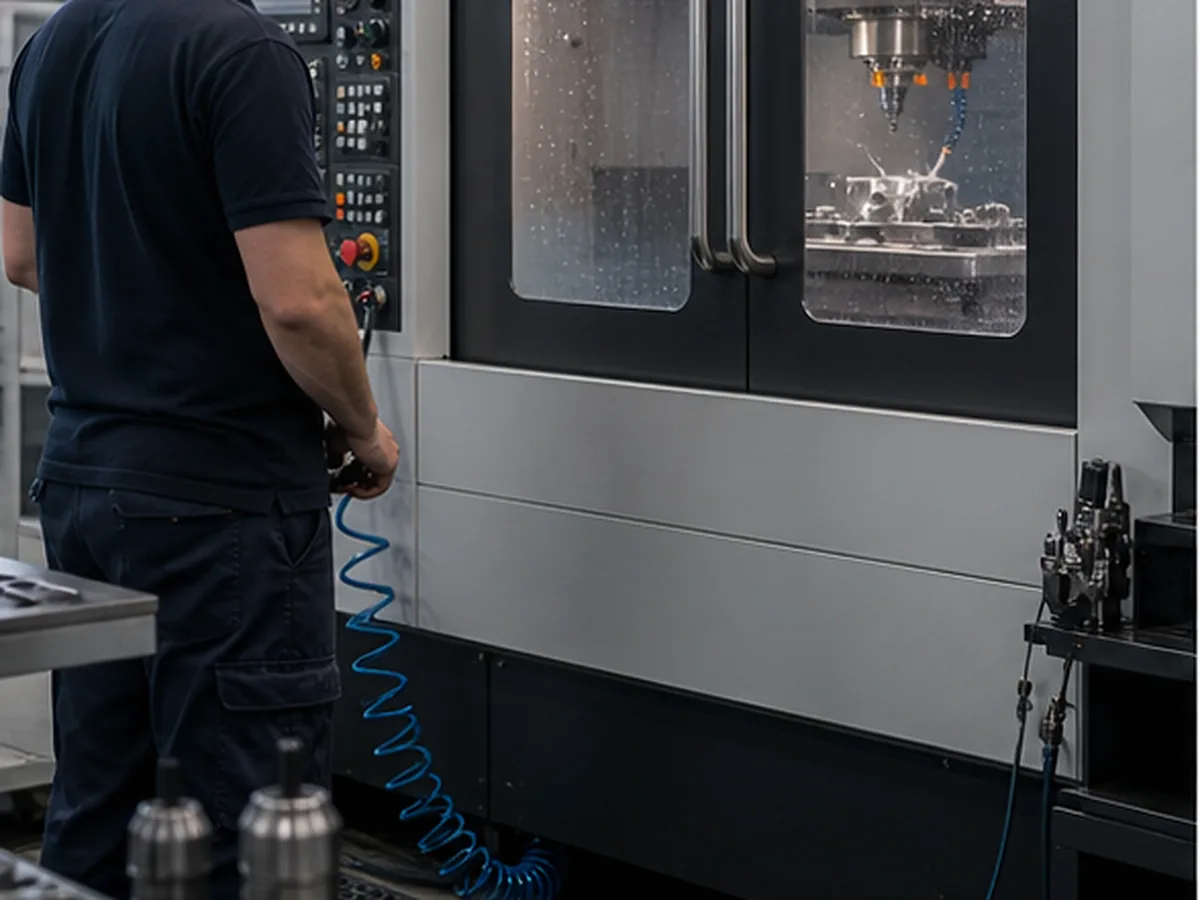
4-axis machining is considered for parts with repeated features around an axis, cylindrical geometry or multiple sides that can be reached through controlled rotation. Formexi confirms whether the project uses verified in-house or manufacturing-network capacity before quotation.
When a Fourth Axis Adds Value
- Holes or slots distributed around a cylindrical component
- Multi-side machining with fewer manual re-clamps
- Rotary engraving, grooves or controlled radial features
- Feature relationships that benefit from one indexed setup
Indexed Versus Continuous Motion
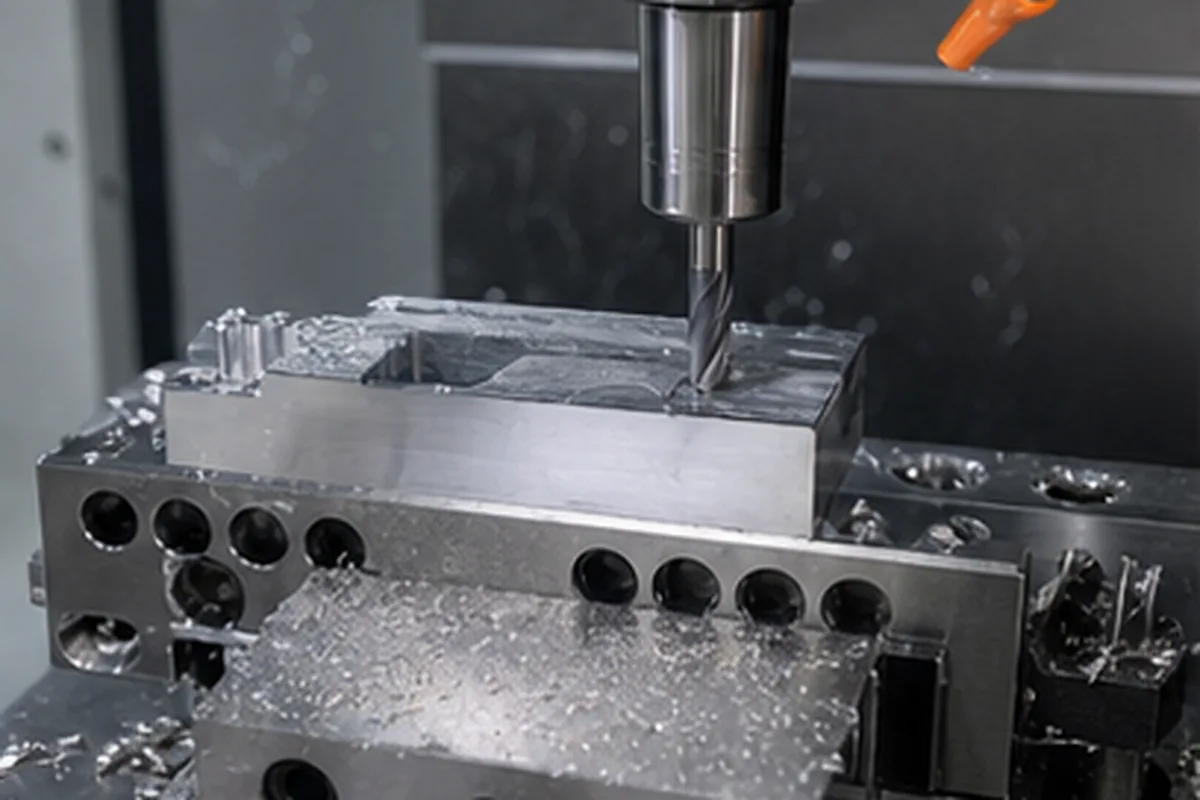
Indexed 4-axis machining rotates the part to a position and then cuts with the rotary axis held. Continuous 4-axis machining coordinates rotation during cutting. The drawing and surface geometry determine which is needed; the more complex option should not be selected without functional value.
Buyer Information Required
| Information | Reason |
|---|---|
| Rotary feature relationship | Determines indexing and datum strategy. |
| Part diameter and length | Determines machine, chuck and support fit. |
| Runout/concentricity | Changes workholding and inspection. |
| Quantity | Affects fixture and setup economics. |
| Critical surface finish | Determines whether continuous motion is justified. |
Limits Requiring Review
Long unsupported parts, interrupted cuts, deep radial features, tight runout and parts outside rotary workholding limits require special review. Confirm the proposed machine model, usable rotary capacity, workholding limit and in-house or approved-source route before accepting the quotation.
Alternative Processes
A part may be better produced by CNC turning with live tooling, mill-turn machining, 3+2 positioning or conventional 3-axis setups. Formexi compares process risk and total cost rather than treating 4-axis machining as a default.
Confirm the Process for 4-Axis CNC Milling for Rotary and Multi-Side Parts
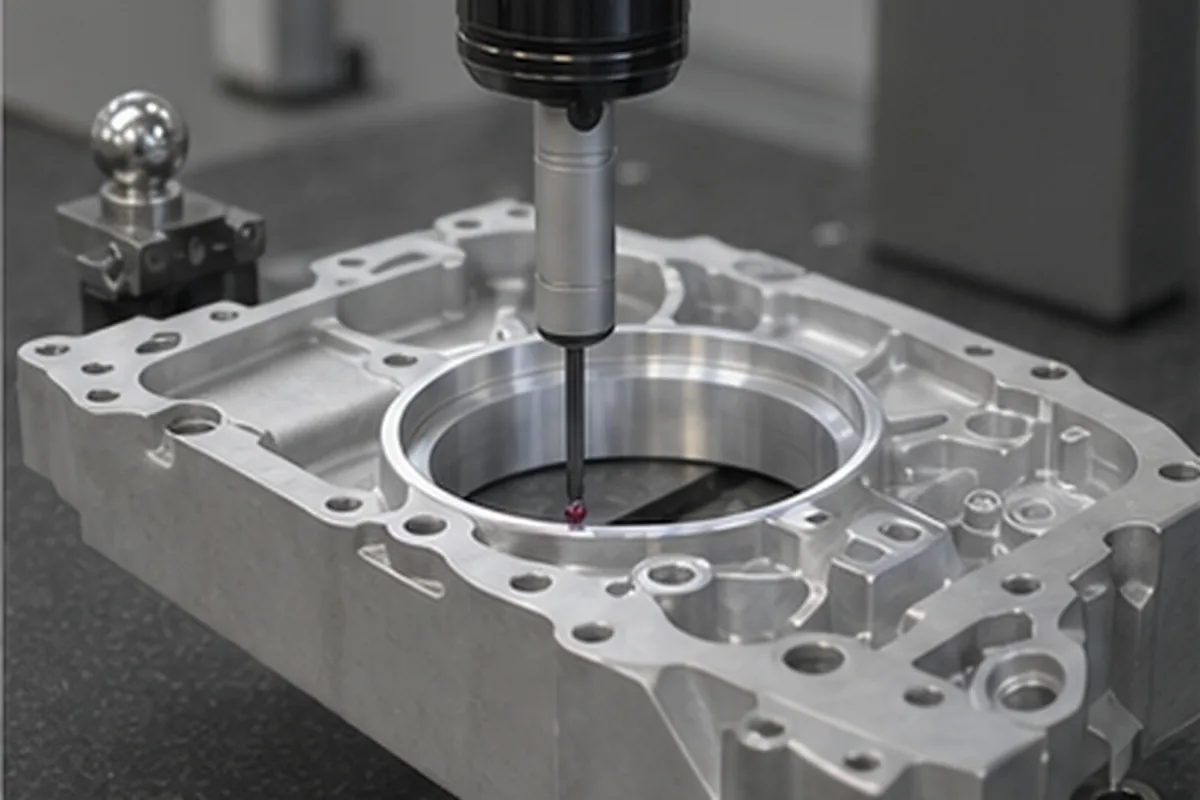
For 4-Axis CNC Milling for Rotary and Multi-Side Parts, submit the 2D drawing and 3D model with matching revision, exact material and condition, quantity and repeat demand. Identify relevant datums, critical tolerances, GD&T, threads, difficult-access geometry, thin walls, roughness, heat treatment and finish requirements.
The route for 4-Axis CNC Milling for Rotary and Multi-Side Parts may require multiple setups, dedicated workholding, intermediate inspection or a justified secondary process. Select grinding, EDM, stress relief or post-finish verification only when the geometry and function require it; machine axis count alone does not establish final capability.
Check Whether 4-Axis Machining Is Justified
Upload the model and identify radial features, datums, runout and quantity.