

3-Axis Milling
3-Axis CNC Milling for Accessible Precision Features
3-axis CNC milling is typically the most economical choice when critical faces, pockets, holes and contours can be reached from standard orientations. Formexi reviews feature access, setup count, datum transfer and tolerance before recommending it over a multi-axis process.
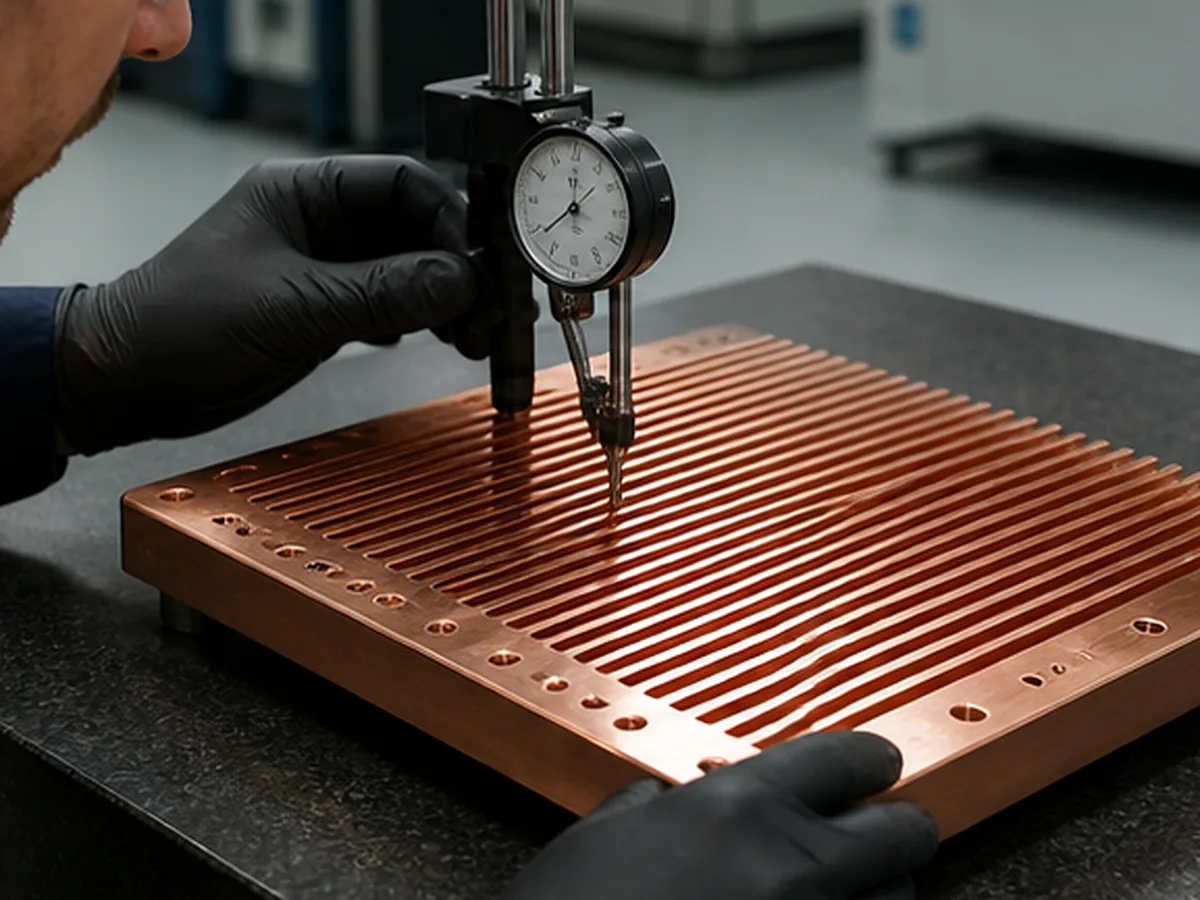
Suitable Parts and Features
- Plates, brackets, blocks and mounting components
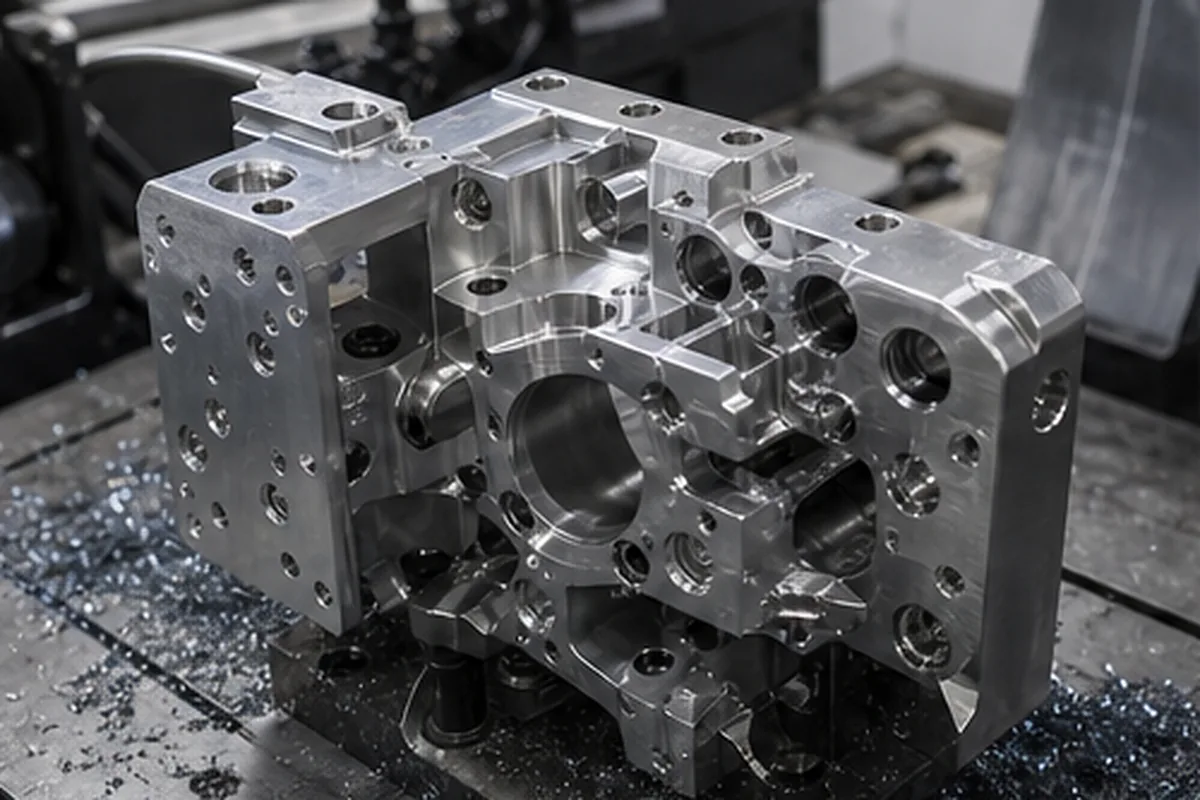
- Housings with accessible pockets and bores
- Jigs, fixtures and machine components
- Planar, 2.5D and accessible 3D surfaces
- Parts that can be controlled through planned reorientation
Why 3-Axis Can Be the Better Choice
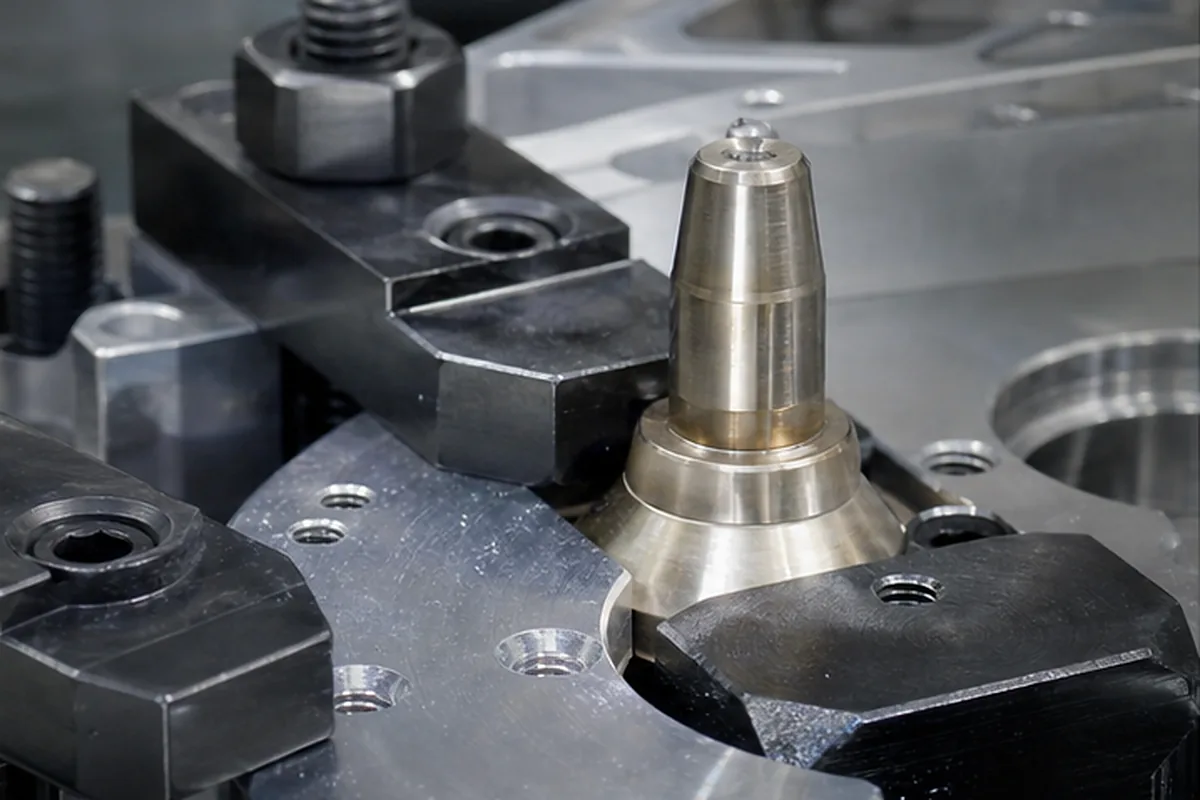
A higher axis count does not automatically improve value. When features are accessible, 3-axis milling can reduce programming, setup validation and machine cost. Multi-axis machining becomes more useful when angled features, compound surfaces or feature-to-feature accuracy make multiple setups risky.
Design Guidance
| Design factor | Practical guidance |
|---|---|
| Internal radius | Use a radius compatible with a rigid tool; avoid specifying sharp internal corners. |
| Pocket depth | Reduce unnecessary depth and provide tool clearance where possible. |
| Wall thickness | Balance weight reduction against stiffness during machining and use. |
| Multiple orientations | Use clear datums so dimensions remain controlled after re-clamping. |
| Cosmetic surfaces | Identify them on the drawing and define acceptable tool marks. |
Tolerances and Inspection
Suitable milled features may be produced to approximately ±0.05 mm, with tighter qualified dimensions reviewed individually. Features created in different setups require particular attention to datum transfer and inspection. Published machine accuracy will be added after equipment verification.
When Not to Use 3-Axis Milling
It may be inefficient for undercuts requiring special tools, multiple angled features, deep compound surfaces or relationships that would require many re-clamping operations. In those cases, compare 4-axis, 3+2 or simultaneous 5-axis machining.
Confirm the Process for 3-Axis CNC Milling for Accessible Precision Features
For 3-Axis CNC Milling for Accessible Precision Features, submit the 2D drawing and 3D model with matching revision, exact material and condition, quantity and repeat demand. Identify relevant datums, critical tolerances, GD&T, threads, difficult-access geometry, thin walls, roughness, heat treatment and finish requirements.
The route for 3-Axis CNC Milling for Accessible Precision Features may require multiple setups, dedicated workholding, intermediate inspection or a justified secondary process. Select grinding, EDM, stress relief or post-finish verification only when the geometry and function require it; machine axis count alone does not establish final capability.
Confirm the Simplest Reliable Process
Send the CAD model and drawing. Formexi will recommend 3-axis machining when it meets the part requirements without unnecessary process cost.