

Material Selection
CNC Machining Materials for Custom Metal and Plastic Parts
Formexi machines common aluminum, stainless steel, alloy steel, copper alloys and engineering plastics, with specialty materials reviewed by project. The right choice depends on load, temperature, corrosion, weight, dimensional stability, electrical behavior, finish and cost—not on one material being universally “best.”
Choose a Material Family by Functional Priority
| Material family | Common buyer priority | Machining issue to review |
|---|---|---|
| Aluminum | Low weight, machinability, corrosion protection options | Thin-wall distortion, cosmetic finish and alloy selection |
| Stainless steel | Corrosion resistance, strength and clean appearance | Work hardening, heat, burrs and grade-specific behavior |
| Carbon/alloy steel | Strength, wear resistance and heat-treatment options | Hardness, distortion, corrosion protection and grinding allowance |
| Brass/copper | Electrical, thermal, sealing or low-friction properties | Softness, burrs, surface damage and alloy-specific machinability |
| Engineering plastics | Low weight, insulation, chemical resistance or low friction | Thermal movement, moisture, clamping distortion and measurement timing |
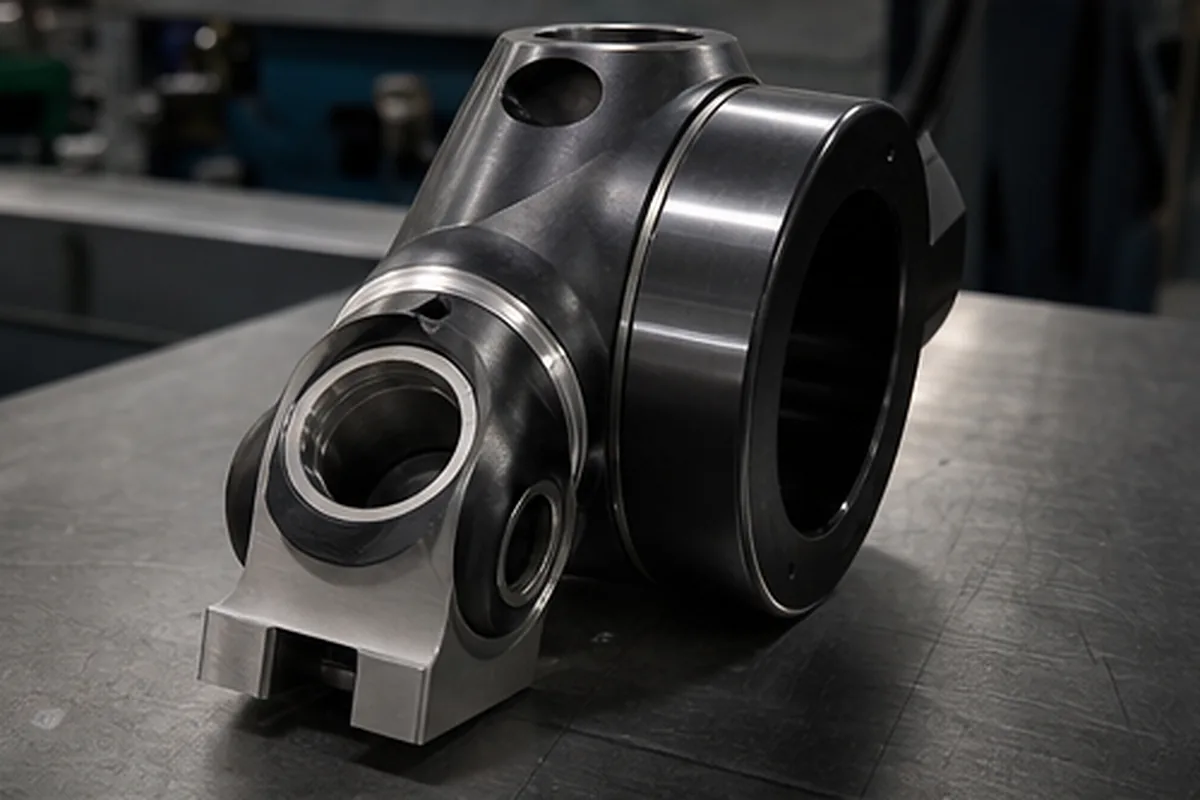
Materials Currently Included in the Formexi Directory
Aluminum Alloys
2024, 5052, 5083, 6061, 6063, 6082 and 7075 are reviewed according to strength, corrosion, finish and stock availability.
Stainless Steels
303, 304/304L, 316/316L, 410, 420, 440C and 17-4PH require grade- and condition-specific review.
Carbon and Alloy Steels
1018, 1020, 1045, 4130, 4140 and 4340 are considered with hardness and heat-treatment requirements.
Copper Alloys
Brass, bronze and copper grades are selected for machinability, conductivity, wear or corrosion needs.
Engineering Plastics
POM, nylon, PEEK, PTFE, PC, PMMA, PEI, PAI, PPS and other polymers require stability and application review.
Material Grade and Condition Must Be Explicit
A family name such as “aluminum” or “stainless steel” is not enough for controlled production. The RFQ should identify grade, temper or heat-treated condition, governing material standard and whether a mill certificate or specific manufacturer is required. Formexi does not substitute a grade without written approval.
Material Affects Tolerance and Cost
Residual stress, hardness, thermal expansion, moisture absorption, stock flatness and finishing can change achievable dimensions. A tolerance feasible in a rigid steel block may not remain stable in a thin plastic cover. Critical requirements are reviewed with the final material and geometry.
Material Control and Documentation
- Source from qualified industrial suppliers
- Confirm grade and condition against the order
- Provide MTC/material certificates when specified before ordering
- Use XRF or other verification only when requested and quoted
- Maintain project-level traceability only to the agreed scope
Not Sure Which Material Fits?
Tell us the load, temperature, environment, weight, finish and cost priorities. Engineering can compare realistic options before quotation.