

Material Screening Reference
CNC Machining Material Properties Comparison Chart
Use this chart to narrow the material family, then confirm the exact grade, condition and supplier data. Strength, corrosion, temperature, conductivity, friction and dimensional stability vary within each family. Typical descriptions are not a substitute for a material standard or lot certificate.
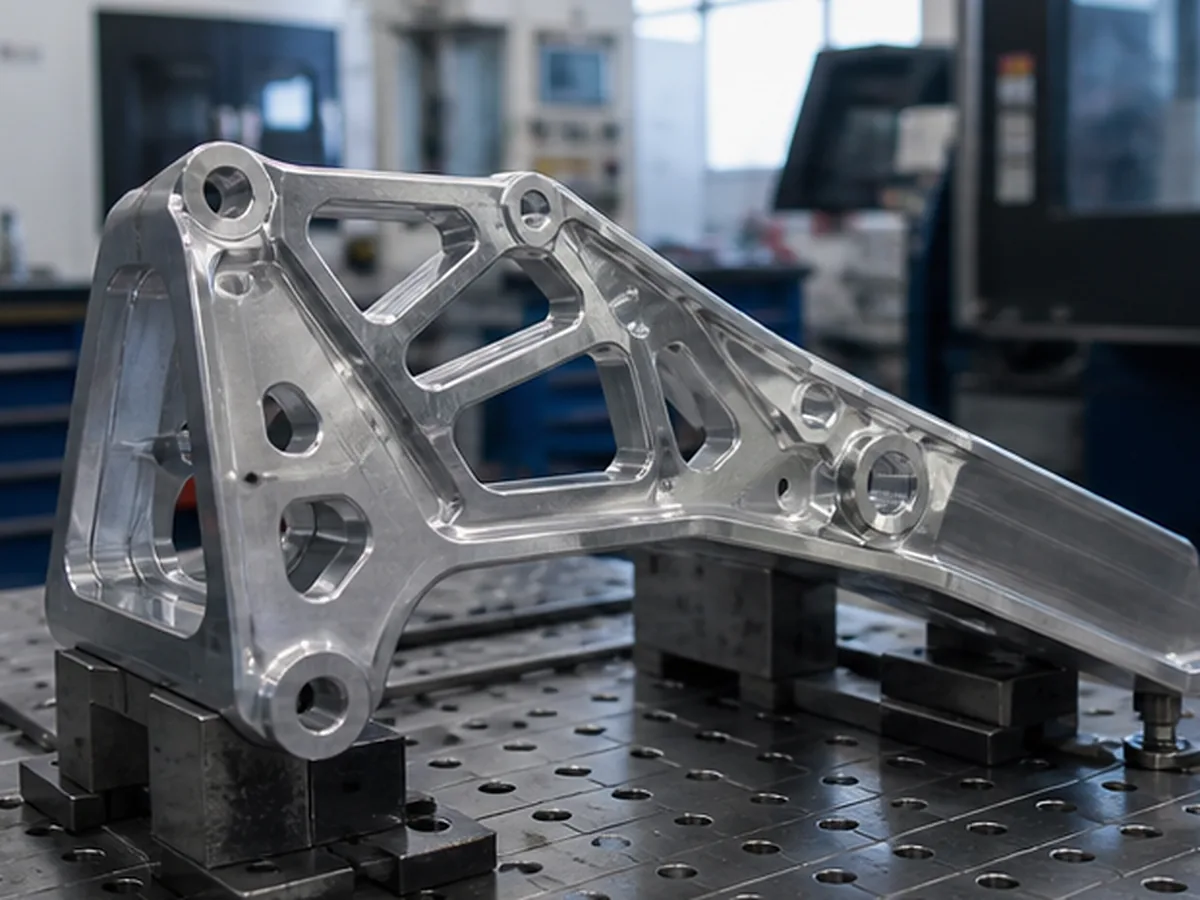
Material Family Comparison
| Material family | Relative strengths | Key limitations | Common machining concern |
|---|---|---|---|
| Aluminum | Low weight, availability, thermal transfer, finishes | Wear/stiffness and alloy-specific corrosion | Thin-wall distortion and cosmetic consistency |
| Stainless steel | Corrosion, strength, clean appearance | Cost, weight and grade-specific pitting | Work hardening, heat and burrs |
| Carbon/alloy steel | Strength, stiffness, wear and heat treatment | Corrosion and weight | Hardness, distortion and grinding allowance |
| Copper | Electrical and thermal conductivity | Weight, cost and softness | Burrs, built-up edge and handling marks |
| Brass/bronze | Machinability, friction or bearing properties | Grade/compliance differences | Lead restrictions and surface condition |
| POM/nylon | Low friction, insulation and low weight | Temperature, moisture and creep | Clamping and conditioning |
| PEEK/high-performance plastic | Temperature, chemical and electrical performance | High cost and grade-specific compliance | Stress, fillers and scrap prevention |
| Titanium | Specific strength and selected corrosion resistance | Material and machining cost | Heat concentration and tool wear |

Compare Exact Grades After Shortlisting
6061 and 7075 differ significantly; 304 and 316L are not interchangeable; POM-H and POM-C differ; natural and filled PEEK are different materials in practice. Use the grade-specific comparison pages and supplier datasheets.
Properties the Website Cannot Approve
Fatigue life, pressure safety, biocompatibility, food contact, flame rating, outgassing, electrical insulation and regulated compliance require exact material/process data and application validation.
Material Documents
Request MTC, CoC, manufacturer certificate, restricted-substance record or traceability before purchase. XRF/PMI may support metallic grade screening but does not prove every property or condition.
Total Cost
Compare stock cost, material yield, cycle time, tooling, finishing, inspection, scrap risk and service life. The cheapest raw material is not always the cheapest finished part.
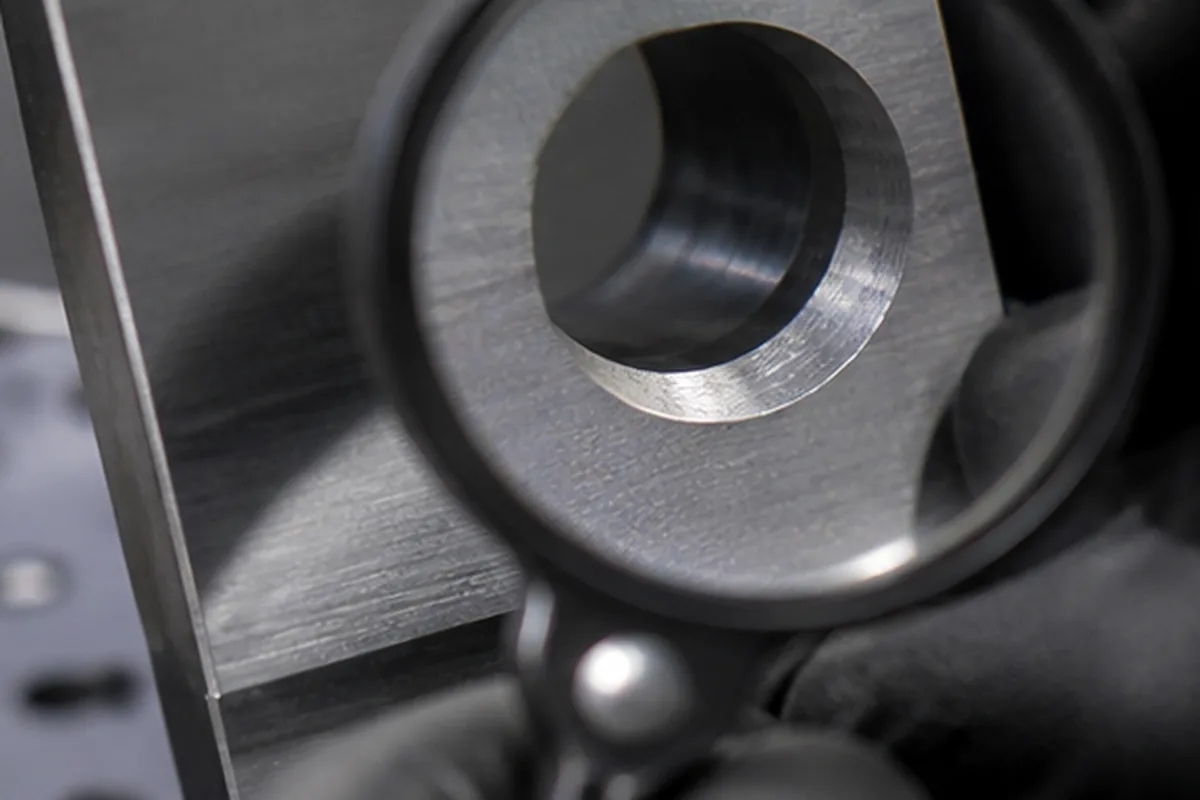
Our Review Method for CNC Machining Material Properties Comparison Chart Requirements
When buyers can overpay or lose datum consistency when a process is chosen from a machine label instead of the part geometry, unnecessary setups or an unjustified high-end route can add cost without improving the functional result. For CNC Machining Material Properties Comparison Chart, our engineering and quotation review compares rotational versus prismatic geometry, feature access, datum relationships, workholding, batch size and measurement access before selecting milling, turning or a combined route. This helps reduce rework, approval delays and avoidable purchasing cost without turning a screening assumption into a capability guarantee.
For the CNC Machining Material Properties Comparison Chart buying decision, we confirm the route only after reviewing the 2D drawing and 3D model, overall size, material state, critical datums and tolerances, quantity, finish and inspection documents. Any unresolved item is listed as an RFQ clarification so the buyer can compare scope, evidence, price and lead time on the same basis.